

 Preview
 Send
Send Share
Share
 Details

 Download
 Similars
 X-Ray
X-Ray Diaporama
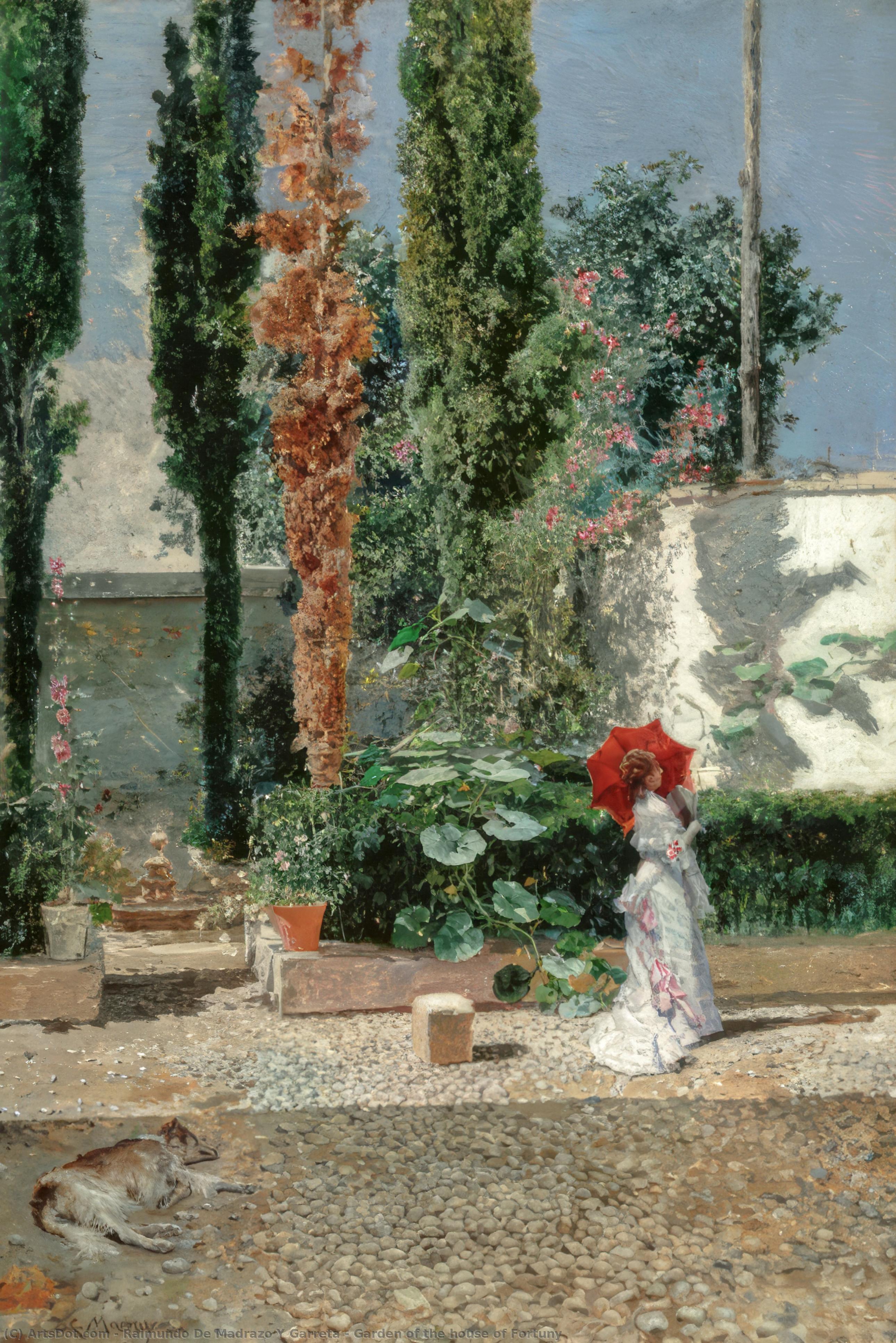
Garden of the house of Fortuny


 Read More
Purchase a high-resolution, enhanced digital image, far superior to the online preview.
Each file is meticulously prepared by our in-house specialists using advanced tools and expert manual retouching. We ensure every image has exceptional clarity, precise color accuracy, and fine detail.
The final file is delivered via email within 72 hours, optimized for immediate use in professional, editorial, and print environments. This is the same quality trusted by top-tier design studios, publishers, and galleries.
Digital Image
Download a high-resolution file for personal display, printing, and creative projects. ( Buy Print Buy Hand Made Painting)
Included in Every Digital Image Order
Expert Digital Delivery, Guaranteed
When you choose ArtsDot.com, you're not just getting an image - you're receiving a professionally enhanced digital artwork, crafted with precision and backed by a satisfaction guarantee. Here's everything that comes with your order, automatically:

Fast Email Delivery
Your high-resolution digital image file will be emailed to you within 72 hours of ordering - ready for immediate use.

AI-Enhanced Digital File
Your artwork is professionally optimized using advanced AI tools and manual editing, ensuring maximum detail, clarity, and color accuracy.

Free Lifetime Re-Delivery
Accidentally deleted or lost your file? No worries - we'll resend it to you anytime, free of charge.

No Import Fees - Ever
Enjoy your artwork instantly with zero customs, duties, or delivery fees - digital downloads are always tax-free.

Color Accuracy Guarantee
We ensure your digital image reflects the original colors as closely as possible using professional tools and color management.

100-Day Satisfaction Guarantee
If you're not satisfied with your digital image, we'll revise it or refund 100% within 100 days - no questions asked.

100% Money-Back Guarantee
Not satisfied? Get a full refund within 100 days of receiving your digital file - no questions asked.

Bulk Order Discounts
Buy 3 images, save 10% - Buy 5, save 15% - Buy 10+, save 20%. Great for creative projects, galleries, and agencies.
A Serene Encounter in the Garden of Fortuny
In the quiet corners of the Museo del Prado, there exists a window into a more tranquil era, captured through the masterful brush of Raimundo de Madrazo y Garreta. The Garden of the House of Fortuny, painted in 1872, is far more than a mere depiction of a landscape; it is an invitation to step into a moment of suspended animation. At the heart of this lush, verdant sanctuary stands a woman, her presence anchored by a striking red hat and dress that serves as a brilliant focal point amidst the sea of emerald and forest greens. As she gazes softly toward the right, her attention captured by a resting dog, the viewer is drawn into a shared sense of quiet observation. The composition breathes with life, utilizing a delicate arrangement of potted plants in the foreground and background to create an immersive depth that pulls the eye through the garden's leafy corridors.
The technique employed by Madrazo y Garreta reveals the profound influence of his prestigious lineage. Trained within the hallowed studios of his father and grandfather, he brings a meticulous, realist precision to this piece that elevates it from a simple genre scene to a work of high art. The way light filters through the foliage and rests upon the textures of the terracotta pots and the fabric of the woman's attire demonstrates a sophisticated command of oil on panel. There is a rhythmic harmony in his brushwork, where the organic chaos of nature is balanced by the structured elegance of the garden elements, such as the solitary bench that waits like an invitation for contemplation. This mastery of detail ensures that every leaf and shadow contributes to the painting's overarching atmosphere of peace.
Beyond its visual splendor, the painting carries a profound emotional resonance, making it an exquisite choice for those looking to infuse a space with tranquility. For the art collector or interior designer, this work offers a sophisticated interplay of color and mood. The vibrant splash of red against the tranquil greens provides a dynamic energy that can serve as a centerpiece in a refined room, while the subject matter—the simple pleasure of an afternoon outdoors—promotes a sense of calm and well-being. It is a piece that speaks to the timeless human desire for connection with nature and the beauty found in life's quietest, most unhurried moments.
To possess a reproduction of this masterpiece is to bring a fragment of Spanish Golden Age elegance into the modern home. Whether placed in a sunlit study or a grand living area, The Garden of the House of Fortuny acts as a portal to the nineteenth century, offering a sophisticated aesthetic that transcends fleeting trends. It remains a testament to Madrazo y Garreta's ability to capture not just the likeness of a scene, but the very soul of a peaceful afternoon, preserved forever in pigment and light.
Related Artworks
Artist Biography
A Legacy of Elegance: The Life and Art of Raimundo de Madrazo
Raimundo de Madrazo y Garreta, born in Rome in 1841, entered a world already steeped in artistic tradition. His lineage was one of considerable prestige; his grandfather, José de Madrazo, held the esteemed position of Director of the Museo del Prado, while his father, Federico de Madrazo, was himself a celebrated portraitist. This familial foundation wasn’t merely about inheritance—it instilled within young Raimundo not only a technical mastery but also an understanding of the power and social standing associated with artistic creation. His earliest training unfolded within the intimate setting of his family's studios, absorbing principles of classical technique from both father and grandfather. Formal studies at the Real Academia de Bellas Artes de San Fernando in Madrid, under Carlos Luis de Ribera and Carlos de Haes, further refined his skills, exposing him to contemporary artistic currents. However, it was a pivotal sojourn to Paris in 1860 that truly transformed his trajectory. Studying with Léon Cogniet and forging connections within the Parisian art world would define his aesthetic sensibilities for decades to come. The influence of Alfred Stevens during this period proved particularly significant, subtly shifting his approach towards a more refined and decorative sensibility—a move away from strict academicism toward a style imbued with grace and allure.Realism Infused with Refinement: Artistic Style and Influences
Madrazo’s artistic style is fundamentally rooted in Realism, yet it transcends mere imitation through an infusion of elegance and sophistication. While committed to accurate representation, his paintings possess a delicate grace that distinguishes them from the more austere strains of the movement. This refinement evolved over time, subtly incorporating elements reminiscent of Rococo—a fondness for ornate detail and playful composition—and *Japonisme*, the burgeoning Western fascination with Japanese art, particularly in its emphasis on flattened perspective and decorative patterns. He became renowned for his portraits, capturing not merely physical likeness but also the inner essence of his subjects with remarkable skill. The influence of Mariano Fortuny is palpable in Madrazo’s smaller-scale *tableautin* scenes—intimate glimpses into bourgeois life—and his ability to portray a world of luxurious textures and subtle emotions. Cogniet's academic rigor, combined with Stevens’ decorative flair, created the foundation for Madrazo’s unique artistic voice. He wasn’t simply recording reality; he was crafting an idealized vision of it, one that appealed to the tastes of a discerning clientele who sought beauty and refinement in art. This ability to blend realism with a touch of fantasy allowed him to create works that were both captivating and aspirational.Portraits of an Era: Major Works and Themes
Madrazo’s oeuvre is populated with captivating portraits and genre scenes that offer a window into the social world of the late 19th century. His *Portrait of his father painting* stands as a testament to both filial affection and artistic skill, showcasing not only a likeness but also the very act of creation itself—a painter portraying a painter, a meta-commentary on the artistic process. Works like *Fond Memories* demonstrate his talent for evoking nostalgia and capturing intimate moments with poignant sensitivity. However, it was his genre paintings, often featuring Aline Masson as the model, that garnered him widespread acclaim. *The Reluctant Mistress*, *After the Bath*, and *Portrait of Aline Masson in a Mantilla* are prime examples—sensuous, meticulously rendered scenes that celebrate feminine beauty and grace. Aline Masson’s presence is central to understanding Madrazo's artistic output; she served as his muse for many years, embodying the ideal of refined elegance that permeated his paintings. These works weren’t merely depictions of fashionable society; they were carefully constructed fantasies, designed to appeal to a clientele eager to possess images of beauty and luxury. The recurring motif of feminine allure, often veiled in an atmosphere of gentle mystery, became a hallmark of his style.International Recognition and Lasting Impact
Raimundo de Madrazo’s career unfolded on an international stage. His debut exhibition in Paris in 1860 marked the beginning of his professional journey, quickly followed by frequent trips to New York where he cultivated a loyal clientele among prominent families like the Vanderbilts and Alexander Turney Stewart. Despite this success abroad, he remained relatively reserved about exhibiting in Spain. A testament to his commitment to fostering artistic exchange was his co-founding of an “International Painting Exhibition” in Paris in 1882, alongside Alfred Stevens, de Nittis, and Petit—an initiative designed to promote the work of foreign artists. He consistently exhibited at the prestigious Paris Salon, receiving a major medal at the Exposition Universelle in 1889, solidifying his reputation as a leading artist of his time. Beyond his artistic achievements, Madrazo demonstrated a commitment to cultural preservation through his generous donation of Francisco de Goya’s works to the Museo del Prado in 1894 and his membership in the Royal Academy of London. Raimundo de Madrazo died in 1920, leaving behind a legacy as one of Spain's foremost realist painters—a master portraitist who captured the spirit of an era with elegance, skill, and enduring appeal. His work continues to resonate today, offering a glimpse into the opulent world of the Gilded Age and the artistic sensibilities that defined it. His son, Federico de Madrazo y Ochoa ("Coco"), continued the family tradition, ensuring that the Madrazo name remained synonymous with artistic excellence for generations to come. Madrazo’s paintings remain a testament to his ability to bridge academic traditions and emerging modern styles, leaving an indelible mark on 19th-century Spanish art.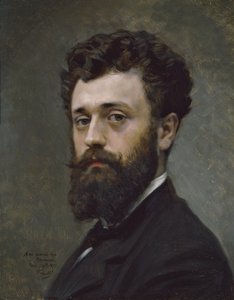
Raimundo de Madrazo y Garreta
1841 - 1920 , Italy
Quick Facts
- Artistic Movement Or Style: Realism, Rococo influence
- Artists Or Movements Influenced By This Artist: ['Federico de Madrazo']
- Artists Who Influenced This Artist:
- Alfred Stevens
- Léon Cogniet
- Mariano Fortuny
- Date Of Birth: 1841
- Date Of Death: 1920
- Full Name: Raimundo de Madrazo y Garreta
- Nationality: Spanish
- Notable Artworks:
- Portrait of his father painting
- Fond Memories
- The Reluctant Mistress
- After the Bath
- Masqueraders
- Place Of Birth: Rome, Italy