 Preview
 Send
Send Share
Share
 Details

 Download
 Similars
 X-Ray
X-Ray Diaporama
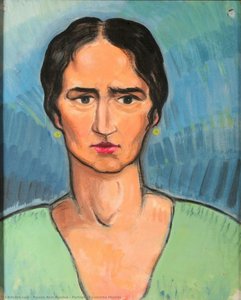
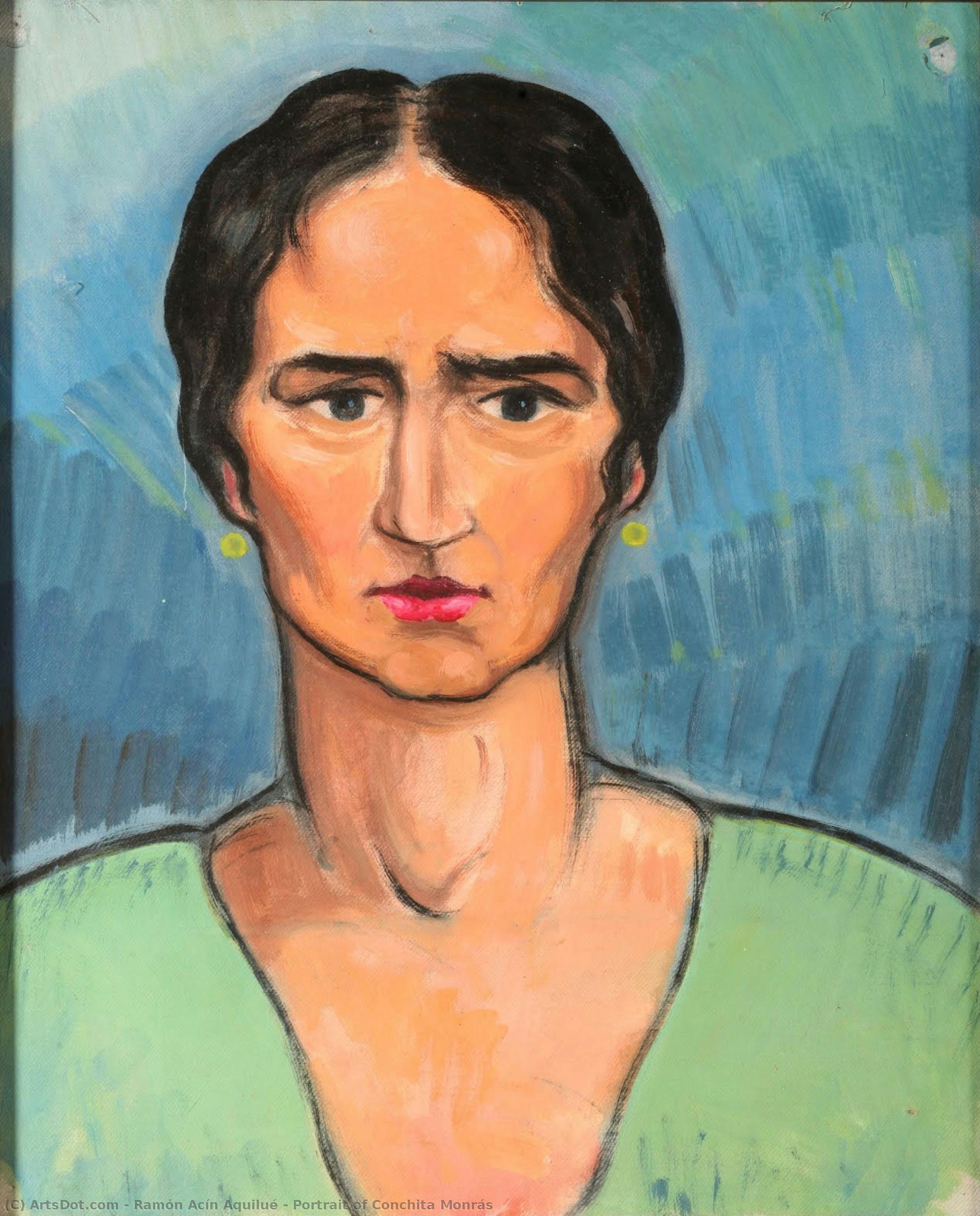
Portrait of Conchita Monrás
 Oil On Canvas
- WallArt
- Avant-garde
 Modern
 3.0 x 59.0 cm
 Museo de Huesca
 Read More
Hand Made Oil Reproduction
Hand-painted oil on canvas in your size and frame, made to order by our artists. ( Buy Print Buy Image)




P118B $10

P118H $10

P118W $10

P438Z $10

P508JH $12

P508YH $12

P805H $10

P805Z $10

P919BZ $10

P919G $10

P919XJ $10

P959ZH $10

P968JZ $12

W106C $8

W218G $10

W218JH $8

W218Y $10

W307PJ $10

W316G $10

W316PJ $8

W316Y $10

W398PJ $8

W4111J $10

W500HY $15

W500JH $15

W692G $12

W849H $8

W940BG $15

W953PJ $8




Pick from our preset sizes that match the artwork's original proportions.

You may enter your own dimensions to fit a specific frame or space. If your selected size does not match the original image's proportions, we will either crop the artwork or extend the painting with additional hand-painted elements. A digital mockup will be sent for your approval before production begins.
Please note that the on-screen preview does not reflect the actual cropping or extension. Only the mockup will accurately show the final composition.
While custom sizes are available, we recommend selecting a dimension from the predefined list to preserve the original proportions.
After order, ArtsDot.com team will email client for instructions and provide a mockup preview
Worldwide Delivery () in 3/4 weeks instead of standard 5 weeks. (29 August). No compromise on quality.

Free Worldwide Express Shipping

High-Quality Linen Canvas

Full Shipping Insurance

Customs Tax Refund Guarantee

True Color Matching Guarantee

60-Day Return Policy (Defects Only)

100% Money-Back Guarantee

Bulk Discount Offer
 Glass option is only available in size under 110 CM

Portrait of Conchita Monrás
Reproduction Medium
Reproduction Size
-


Total Price
$ 263
A Gaze Through Time: The Soul of Conchita Monrás
In the quiet intensity of Ramón Acín Aquilué’s Portrait of Conchita Monrás, we encounter more than just a likeness; we meet a spirit. Painted around 1934, this evocative oil on canvas serves as a profound window into the life of Concha Monrás Casas, a woman whose very existence challenged the social constraints of early 20th-century Spain. As the devoted companion to the anarchist painter and visionary Ramón Acín Aquilué, Conchita lived a life defined by independence and strength. Through the artist's brush, her presence transcends the mere physical, offering a psychological depth that invites the viewer into a silent, powerful dialogue.
The composition is masterfully structured to command attention. At the heart of the work sits Conchita, her long hair cascading around a face marked by a stern, unwavering expression. She looks directly at the viewer, her gaze possessing an almost piercing quality that demands recognition. Clad in a rich green dress, she stands as a pillar of stability against a backdrop of ethereal blue sky. While the periphery of the canvas hints at other figures—smaller, less prominent presences that suggest a wider social or familial context—the focus remains unshakeable. This deliberate use of scale and placement ensures that the subject's internal fortitude is the undisputed protagonist of the piece.
Technique and the Evolution of Expression
During this era, the rise of photography had begun to strip portraiture of its traditional duty to provide an exact, photographic replica. Liberated from the burden of literalism, artists like Acín Aquilué turned toward the expressive potential of technique, shape, and color. In this portrait, we see the mastery of oil on canvas used not just to replicate skin and fabric, but to sculpt emotion. The artist utilizes texture and light to create a sense of volume and weight, making the subject feel tangible and present.
The interplay between the deep, verdant tones of her attire and the expansive blue of the background creates a chromatic tension that enhances the painting's emotional resonance. This is not merely a decorative application of color; it is a deliberate choice to evoke a sense of vastness and freedom, mirroring the independent nature of the woman herself. For collectors and interior designers, this piece offers a sophisticated balance of classical portraiture and avant-garde sensibility, making it a versatile centerpiece for spaces that value intellectual depth and historical gravity.
A Legacy of Strength and Devotion
To look upon this portrait is to understand the tragic beauty of the era in which it was created. Painted just years before the onset of the Spanish Civil War—a conflict that would claim the lives of both the artist and his subject—the work carries an inherent sense of poignant permanence. There is a palpable feeling of safety and love within the brushstrokes, yet there is also the weight of a woman who "has a lot to say."
For those seeking to adorn their homes with art that tells a story, the Portrait of Conchita Monrás offers an unparalleled opportunity. It is a piece that transcends decoration, acting instead as a conversation starter and an emotional anchor. Whether placed in a curated gallery setting or a refined private study, this reproduction brings with it the legacy of Spanish modernism and the enduring, indomitable spirit of a woman who stood ahead of her time.
Related Artworks


Artist Biography
Ramón Acín Aquilué: A Visionary Artist Caught in the Crucible of Revolution
Ramón Acín Aquilué (August 30, 1888 – August 6, 1936) stands as a poignant figure in Spanish art history—a brilliant avant-garde artist tragically silenced by the brutal realities of the Spanish Civil War. Born in Huesca, Aragon, he embodied the spirit of anarchist idealism alongside artistic innovation, leaving behind a legacy that continues to inspire contemplation and debate.- Early Life and Artistic Beginnings:
- A Passion for Drawing and Formal Education:
- The Influence of Surrealism and Cubism:
- Notable Works: Portrait of Conchita Monrás and Illustrations:
- Legacy and Remembrance:
Early Life and Artistic Beginnings
Ramón Acín Aquilué’s artistic journey commenced at a remarkably young age. At ten years old, he began drawing lessons with Félix Lafuente, fostering an innate talent that would blossom throughout his life. This formative experience instilled in him a foundational understanding of visual expression and propelled him toward pursuing art as a vocation. He enrolled in the Second Teaching Institute in Huesca, honing his skills further and developing a keen eye for detail—qualities that would characterize his distinctive artistic style.A Passion for Drawing and Formal Education
His dedication to mastering drawing extended beyond mere instruction; it fueled an unwavering curiosity about artistic techniques and aesthetics. Recognizing the importance of disciplined study, Acín pursued chemical sciences at Zaragoza University, demonstrating a multifaceted intellect that transcended conventional academic pursuits. However, he ultimately abandoned this path to dedicate himself entirely to art, prioritizing creative exploration over scientific specialization—a decision that proved pivotal in shaping his artistic output.The Influence of Surrealism and Cubism
Acín’s artistic vision was profoundly impacted by the groundbreaking movements of Surrealism and Cubism. These avant-garde philosophies challenged traditional notions of representation, advocating for experimentation with form and color to convey subconscious emotions and perceptions. Artists like Picasso and Braque served as inspiration, encouraging Acín to embrace innovative approaches that defied established conventions—a stylistic hallmark evident in his paintings and sculptures.Notable Works: Portrait of Conchita Monrás and Illustrations
Acín’s artistic output encompassed a diverse range of mediums and subjects. Among his most celebrated achievements is “Portrait of Conchita Monrás,” a masterful depiction that exemplifies his ability to capture the essence of human emotion through subtle shading and expressive brushstrokes. This painting, currently available on ArtsDot.com, stands as testament to Acín’s artistic prowess. Furthermore, he produced evocative illustrations for publications like *El Diario de Avisios de Zaragoza* and *La Ira*, skillfully blending visual storytelling with political commentary—demonstrating his commitment to both artistic excellence and social engagement. His contribution to Luis Buñuel's film *Las Hurdes: Tierra Sin Pan* cemented his place in cinematic history as a co-producer, furthering his reputation as an artist of considerable versatility.Legacy and Remembrance
Tragically, Ramón Acín Aquilué’s life was cut short during the tumultuous period of the Spanish Civil War. Executed on August 6, 1936, alongside his wife Conchita Monrás—a victim of fascist violence—he became a symbol of anarchist resistance and artistic idealism unjustly silenced by political repression. Despite his untimely demise, Acín’s artwork continues to resonate with audiences worldwide, serving as an enduring reminder of his creative genius and unwavering commitment to revolutionary ideals. His legacy resides prominently in the Museo de Huesca, where visitors can admire several of his paintings—a poignant tribute to a life devoted to art and activism. Ramón Acín Aquilué’s influence extends beyond the confines of artistic circles, inspiring artists and scholars alike to explore the complexities of his oeuvre and its significance within the broader context of 20th-century European culture.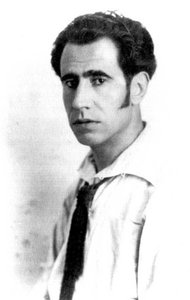
ramón acín aquilué
1888 - 1936 , Spain
Quick Facts
- Artistic Movement Or Style: Cubism & Surrealism
- Artists Or Movements Influenced By This Artist: ['Goya']
- Artists Who Influenced This Artist: ['Luis Buñuel']
- Date Of Birth: August 30, 1888
- Date Of Death: August 6, 1936
- Full Name: Ramón Acín Aquilué
- Nationality: Spanish
- Notable Artworks:
- Portrait of Conchita Monrás
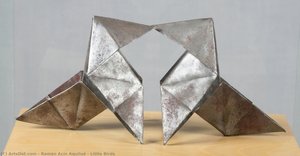
- Little Birds
- Place Of Birth: Huesca, Spain
Related Articles
Slate Blue Masterpieces: 10 Iconic Paintings & Timeless Home Decor Ideas
Immerse yourself in the captivating world of slate blue! Explore 10 iconic paintings by Monet, Van Gogh & Renoir. Discover their stories, techniques & find museum-quality art reproductions for your home at .
Verdant Visions: Exploring the Symbolism & Aesthetic Impact of Green in Art History
Explore the rich history & symbolism of green in art! Discover iconic paintings, techniques, and how to bring verdant harmony into your home with ArtsDot's expert guide.
Azure Visions: Exploring Representations of the Blue Dress in Western Art History
Explore the rich history of the blue dress in Western art! Discover its symbolism, from Renaissance masterpieces to modern interpretations by artists like Martin & Schiele. Uncover cultural meanings and artistic techniques.
Chrome Green Masterpieces: 10 Famous Paintings & Their Alluring Hues |
Explore 10 famous paintings where 'Chrome Green' reigns supreme! Discover Monet, Manet & Van Gogh’s masterpieces. Learn the stories behind these iconic artworks and find museum-quality art reproductions for your home at .
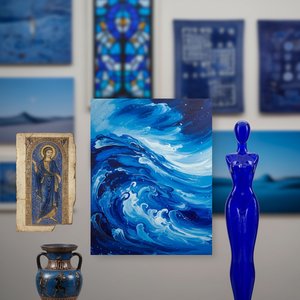
The Allure of Azure: Exploring the Symbolic & Aesthetic Depths of Blue in Art History
Explore the rich history of blue in art! Discover its symbolism, from ancient pigments to modern masterpieces by Kandinsky & Seurat. Uncover the psychological impact and cultural meanings behind this captivating hue.