 Preview
 Send
Send Share
Share
 Details

 Download
 Similars
 X-Ray
X-Ray Diaporama
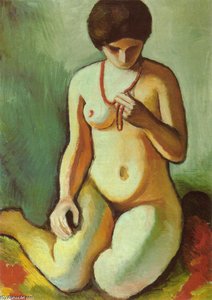
Nude


 Read More
Hand Made Oil Reproduction
Hand-painted oil on canvas in your size and frame, made to order by our artists. ( Buy Print Buy Image)




































Pick from our preset sizes that match the artwork's original proportions.

You may enter your own dimensions to fit a specific frame or space. If your selected size does not match the original image's proportions, we will either crop the artwork or extend the painting with additional hand-painted elements. A digital mockup will be sent for your approval before production begins.
Please note that the on-screen preview does not reflect the actual cropping or extension. Only the mockup will accurately show the final composition.
While custom sizes are available, we recommend selecting a dimension from the predefined list to preserve the original proportions.
After order, ArtsDot.com team will email client for instructions and provide a mockup preview
Worldwide Delivery () in 3/4 weeks instead of standard 5 weeks. (18 August). No compromise on quality.

Free Worldwide Express Shipping

High-Quality Linen Canvas

Full Shipping Insurance

Customs Tax Refund Guarantee

True Color Matching Guarantee

60-Day Return Policy (Defects Only)

100% Money-Back Guarantee

Bulk Discount Offer
 Glass option is only available in size under 110 CM

Nude
Reproduction Medium
Reproduction Size
-


Total Price
$ 263
Artwork Description
Composition and Elements
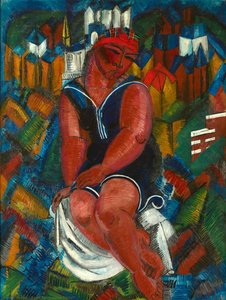
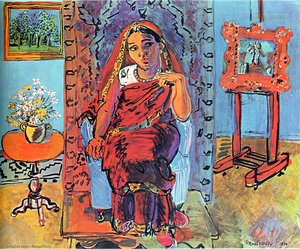
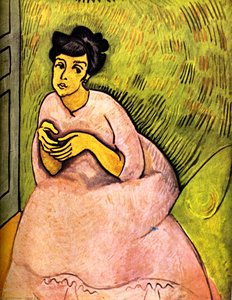
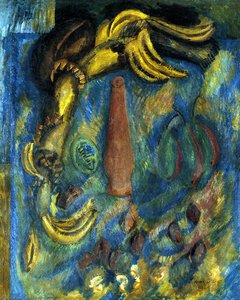
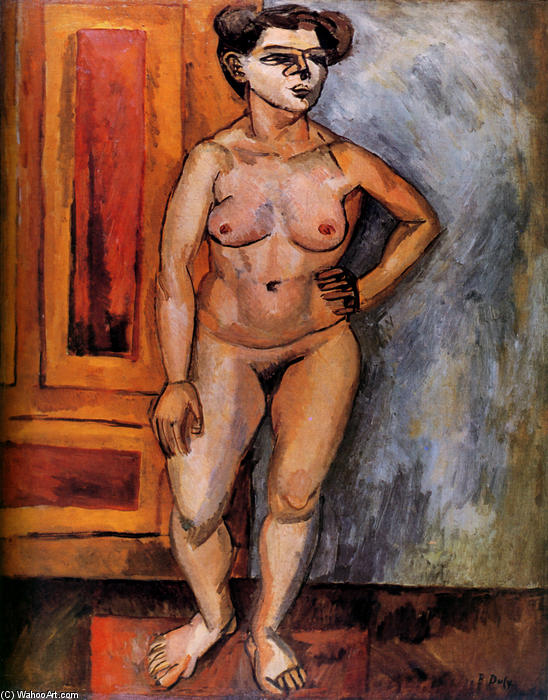
The background of the painting features a vibrant red door and a blue wall, which contrast beautifully with the woman's skin tone. The artist has skillfully used these colors to create depth in the composition. The overall mood of the painting is one of confidence and elegance, a testament to Dufy's ability to capture human emotion through color and form. For more information on Raoul Dufy and his works, visit Raoul Dufy: Nude. Fauvism was a short-lived but influential art movement that emerged in the early 20th century. It was characterized by the use of bold and vibrant colors, energetic brushstrokes, and a focus on capturing light and emotion. Other notable artists associated with this movement include Henri Matisse, who created works such as Nude in Sunlit Landscape and Pink Nude, or Seated Nude. For more information on Fauvism and its key figures, visit 20th-century Western painting.- The Musée Cantini in Marseilles, France, is a renowned museum that specializes in modern art, particularly from the first half of the twentieth century.
- For more information on the Musée Cantini and its collection, visit Discover the Wonders of Musée Cantini, France.
- The history of painting is a rich and complex one, spanning thousands of years and numerous cultures. For more information on the history of painting, visit History of painting.
The Nude by Raoul Dufy is a captivating example of Fauvism and a testament to the artist's skill and creativity. Its bold colors and confident composition make it a standout piece in the history of Western painting.
Related Artworks
Artist Biography
A Life Immersed in Color and Light
Raoul Dufy, born in the port city of Le Havre, Normandy, in 1877, was an artist whose name became synonymous with joy, vibrancy, and a distinctly French *joie de vivre*. His journey began not amidst palettes and easels, but within the practical world of commerce, working for a coffee-importing company after leaving school at fourteen. Yet, even then, the pull towards artistic expression proved irresistible. Evening classes at Le Havre’s École des Beaux-Arts ignited a passion that would define his life, forging friendships with fellow artists Raimond Lecourt and Othon Friesz – companions who shared a studio in Montmartre and a commitment to exploring new visual languages. These early years were steeped in the influence of Impressionism, particularly the luminous landscapes of Claude Monet and Camille Pissarro, laying the foundation for Dufy’s later mastery of light and color. He received a scholarship to study at the École Nationale supérieure des Beaux-Arts in Paris, further honing his skills and immersing himself in the artistic ferment of the era.Embracing Fauvism and Finding His Voice
The turn of the 20th century found Dufy navigating the evolving landscape of modern art. Initial explorations led him through Cubism, but it was Henri Matisse’s groundbreaking *Luxe, Calme et Volupté* at the 1905 Salon des Indépendants that proved truly transformative. The sheer audacity of color and expressive freedom unleashed by Matisse and his fellow “Fauves” – the wild beasts – resonated deeply with Dufy, propelling him towards a style characterized by bold hues and liberated brushwork. However, Dufy didn’t simply mimic; he absorbed the energy of Fauvism and distilled it into something uniquely his own. He moved away from strict adherence to the movement's tenets, developing a more decorative and fluid approach. This period saw him experimenting with various mediums – illustration, textile design for Paul Poiret, even ceramics – demonstrating a remarkable versatility that extended beyond the confines of traditional painting. His designs weren’t merely applied ornamentation; they were integral expressions of his artistic vision, bringing color and dynamism to everyday objects.A Stenographic Style: Capturing Modern Life
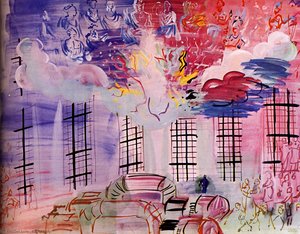
By the 1920s, Dufy had fully blossomed into a master of what became known as his “stenographic” style. This technique involved rapidly applying thin washes of color over skeletal structures, creating an impression of movement and spontaneity. It was a method perfectly suited to capturing the energy of modern life – yachting regattas, bustling city scenes, elegant social gatherings on the French Riviera. Dufy wasn’t interested in meticulous detail; he sought to convey atmosphere, emotion, and the fleeting beauty of a moment. His paintings became celebrations of leisure, pleasure, and the vibrant pulse of contemporary society. He painted orchestras, racecourses, and seascapes with an effervescent quality that captured the spirit of the Jazz Age. This period also saw him undertaking large-scale commissions, including the monumental *La Fée Electricité* for the 1937 Exposition Internationale in Paris – a vast work celebrating electricity’s impact on modern life, executed with remarkable speed and ingenuity using a new quick-drying medium.Legacy and Enduring Appeal
Despite facing health challenges later in life due to rheumatoid arthritis, Dufy continued to paint with unwavering dedication until his death in 1953. His work can be found in prestigious collections worldwide, including the Museum Royal Collection in the United Kingdom, a testament to his enduring artistic significance. Dufy’s influence extends beyond painting; his designs continue to inspire textile and decorative arts. He left behind an impressive body of work – thousands of paintings, watercolors, drawings, prints, and applied art pieces – that collectively represent a celebration of life, color, and the beauty of the everyday. Raoul Dufy wasn’t merely a painter; he was a chronicler of his time, capturing the spirit of an era with a unique blend of Fauvist energy, decorative flair, and a distinctly optimistic vision. His art remains profoundly relevant today, offering a vibrant escape and a reminder to embrace the *joie de vivre* that permeated his life and work.Key Characteristics of Dufy’s Art
- Vibrant Color Palette: Dufy was renowned for his use of bright, saturated colors, often applied in thin washes.
- Dynamic Composition: His paintings frequently feature energetic compositions that convey a sense of movement and spontaneity.
- Decorative Style: A strong decorative element is present throughout his work, influenced by his designs for textiles and ceramics.
- Celebration of Modern Life: Dufy’s art often depicts scenes of leisure, social gatherings, and the pleasures of contemporary society.
- Stenographic Technique: His signature style involved rapidly applying thin washes of color over skeletal structures.
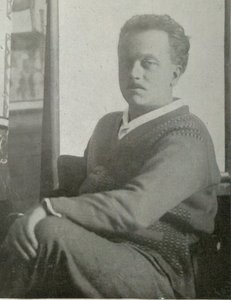
Raoul Dufy
1877 - 1953 , France
Quick Facts
- Artistic Movement Or Style: Fauvism
- Artists Or Movements Influenced By This Artist: Ceramics & Textiles
- Artists Who Influenced This Artist:
- Monet
- Pissarro
- Matisse
- Date Of Birth: June 3, 1877
- Date Of Death: March 23, 1953
- Full Name: Raoul Dufy
- Nationality: French
- Notable Artworks:
- The Thoroughbred
- Portrait of Mme. Dufy
- La Fée Electricité
- Place Of Birth: Le Havre, France