

 Preview
 Send
Send Share
Share
 Details

 Download
 Similars
 X-Ray
X-Ray Diaporama
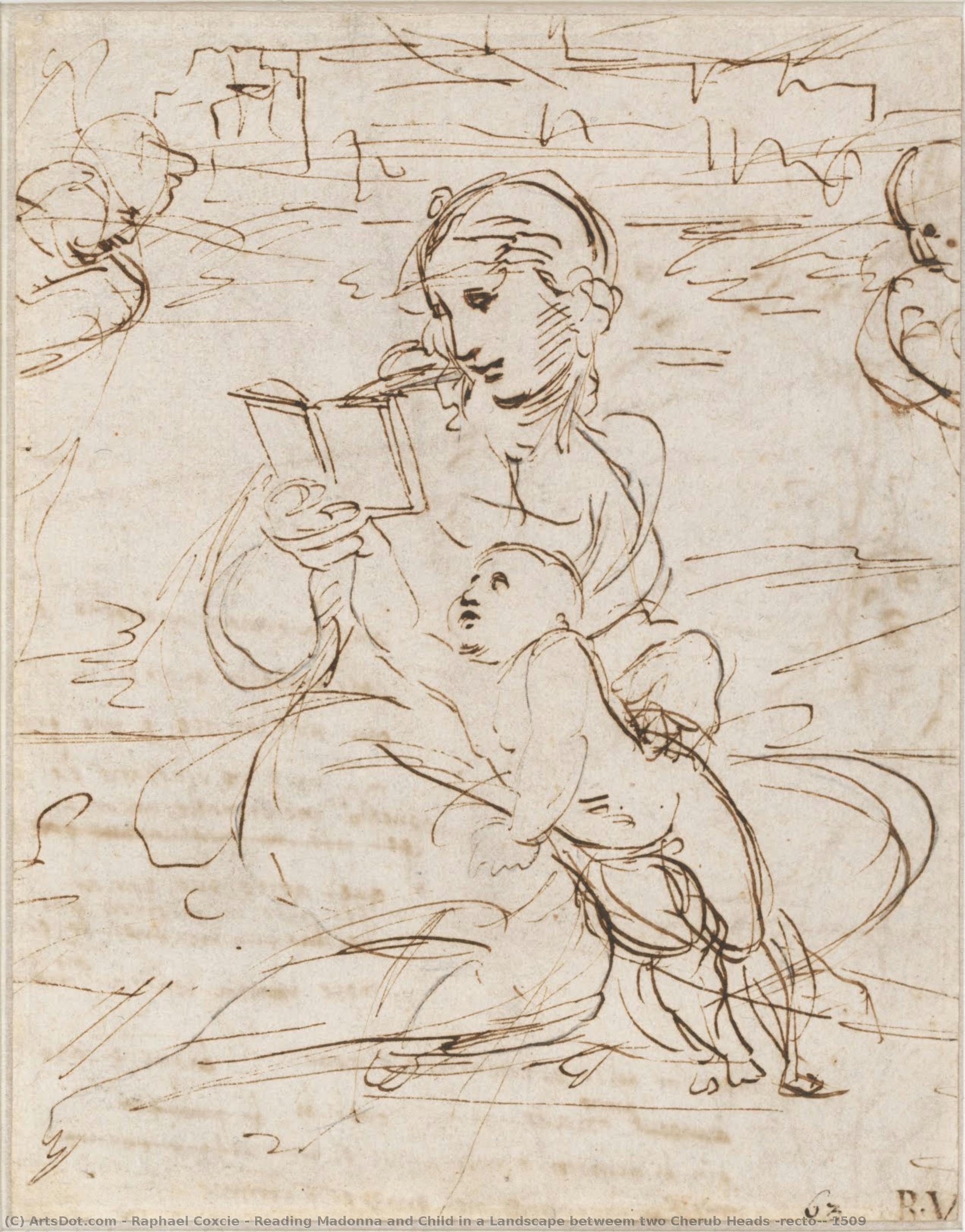
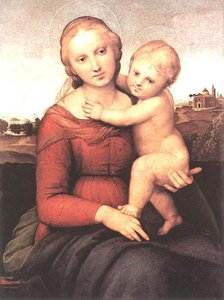
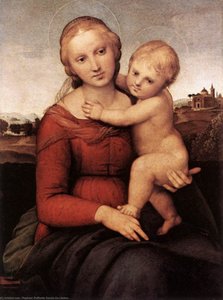
Reading Madonna and Child in a Landscape betweem two Cherub Heads (recto), 1509


 Read More
Purchase a high-resolution, enhanced digital image, far superior to the online preview.
Each file is meticulously prepared by our in-house specialists using advanced tools and expert manual retouching. We ensure every image has exceptional clarity, precise color accuracy, and fine detail.
The final file is delivered via email within 72 hours, optimized for immediate use in professional, editorial, and print environments. This is the same quality trusted by top-tier design studios, publishers, and galleries.
Digital Image
Download a high-resolution file for personal display, printing, and creative projects. ( Buy Print Buy Hand Made Painting)
Included in Every Digital Image Order
Expert Digital Delivery, Guaranteed
When you choose ArtsDot.com, you're not just getting an image - you're receiving a professionally enhanced digital artwork, crafted with precision and backed by a satisfaction guarantee. Here's everything that comes with your order, automatically:

Fast Email Delivery
Your high-resolution digital image file will be emailed to you within 72 hours of ordering - ready for immediate use.

AI-Enhanced Digital File
Your artwork is professionally optimized using advanced AI tools and manual editing, ensuring maximum detail, clarity, and color accuracy.

Free Lifetime Re-Delivery
Accidentally deleted or lost your file? No worries - we'll resend it to you anytime, free of charge.

No Import Fees - Ever
Enjoy your artwork instantly with zero customs, duties, or delivery fees - digital downloads are always tax-free.

Color Accuracy Guarantee
We ensure your digital image reflects the original colors as closely as possible using professional tools and color management.

60-Day Satisfaction Guarantee
If you're not satisfied with your digital image, we'll revise it or refund 100% within 60 days - no questions asked.

100% Money-Back Guarantee
Not satisfied? Get a full refund within 60 days of receiving your digital file - no questions asked.

Bulk Order Discounts
Buy 3 images, save 10% - Buy 5, save 15% - Buy 10+, save 20%. Great for creative projects, galleries, and agencies.
Raphael Coxcie: Bridging Renaissance Idealism with Flemish Realism
The oeuvre of Raphael Coxcie stands as a testament to the dynamic interplay between artistic traditions during the High Renaissance—a period defined by an unwavering pursuit of beauty and humanist thought. Born in Mechelen, Belgium around 1540, Coxcie’s journey through art history wasn't merely one of stylistic imitation; it was marked by a profound engagement with the legacy of his mentor, Raffaello Sanzio da Urbino—a master whose meticulous attention to detail and masterful command of chiaroscuro established a cornerstone for artistic excellence. While biographical information remains somewhat elusive compared to luminaries like Michelangelo or Leonardo da Vinci, Coxcie’s contribution to Flemish art is undeniable, securing him a prominent place within the burgeoning artistic fervor of his era. Coxcie's Early Training and Influences His formative years were deeply rooted in the artistic heritage of Flanders—a region renowned for its pioneering realism and expressive painting techniques. He received instruction from Raffaello Sanzio da Urbino, whose influence profoundly shaped Coxcie’s initial stylistic explorations. Raphael’s unwavering dedication to capturing natural light and shadow – chiaroscuro – instilled a fundamental understanding of visual representation that would permeate Coxcie's subsequent works. This meticulous approach distinguishes him from many contemporaries who favored idealized forms and decorative embellishments, reflecting the broader humanist currents reshaping European intellectual life during the period. The Painting Style: A Harmonious Blend Coxcie’s artistic style embodies a remarkable synthesis between Renaissance idealism and Flemish realism. Unlike the polished surfaces and stylized compositions characteristic of Urbino's workshop, Coxcie favored textured brushstrokes and subtle gradations of color—techniques honed by generations of Flemish masters. His landscapes are rendered with breathtaking accuracy, capturing atmospheric perspective and conveying a palpable sense of depth. Simultaneously, he imbued his figures with emotional nuance, portraying human expressions and gestures with sensitivity and psychological insight—a hallmark of the Flemish tradition’s emphasis on realism and observation. Notable Works: Echoes of Artistic Giants Coxcie's artistic prowess is evident in several celebrated paintings that bear the unmistakable imprint of influential predecessors. The “Reading Madonna and Child in a Landscape betweem two Cherub Heads (recto), 1509,” exemplifies this masterful fusion, mirroring the grandeur and serenity found in Leonardo da Vinci’s Annunciation and Michelangelo's Pietà. Similarly, his depiction of Saint Lambertus church in Düsseldorf showcases the meticulous detail and symbolic richness championed by Jan van Eyck—a master whose groundbreaking use of oil paint revolutionized artistic practice. These works underscore Coxcie’s ability to absorb and transform established conventions into expressions of personal vision. Symbolism and Emotional Resonance Beyond mere technical skill, Coxcie's paintings resonate with profound symbolism—reflecting the humanist values prevalent during his time. The serene landscape serves as a backdrop for the Madonna and Child, symbolizing purity, compassion, and divine grace. The inclusion of birds adds an element of nature’s beauty and harmony—a deliberate allusion to biblical narratives emphasizing God’s creation and benevolent providence. Coxcie's art transcends mere visual representation; it aspires to evoke contemplation and inspire viewers with a sense of spiritual upliftment—a testament to the enduring power of artistic expression to communicate complex ideas and emotions. Conclusion: A Legacy Enduring Through Time Raphael Coxcie’s contribution to Flemish art remains an inspiring example of artistic innovation within a rich cultural context. His masterful blending of Renaissance idealism and Flemish realism cemented his place as a pivotal figure in the High Renaissance—a period characterized by unparalleled creativity and humanist ideals. By studying his work, we gain insight into the transformative forces shaping European art history and appreciate the enduring beauty of images that capture both intellectual depth and emotional resonance.Related Artworks
Artist Biography
The Legacy of Raphael Coxcie: A Renaissance Visionary
Born in the historic city of Mechelen, Belgium, around 1540, Raphael Coxcie stands as a pivotal figure within the artistic landscape of the High Renaissance—a period characterized by unparalleled creativity and humanist ideals. His legacy extends far beyond his individual paintings, shaping stylistic trends and influencing generations of artists who followed him. While biographical details remain somewhat sparse compared to contemporaries like Michelangelo or Leonardo da Vinci, Coxcie’s contribution to Flemish art is undeniable, marking him as a significant voice in the burgeoning artistic fervor of his time.
Coxcie's formative years were steeped in profound artistic tradition. He received instruction from Raffaello Sanzio da Urbino—commonly known as Raphael—a master whose influence permeated Coxcie’s early oeuvre. This connection to the Italian masters provided him with a meticulous attention to detail and a masterful command of chiaroscuro, the dramatic interplay between light and dark. This technique became a cornerstone of his approach, allowing him to imbue his canvases with palpable emotion and depth, mirroring the humanist spirit that dominated Renaissance thought. The stylistic echoes of Raphael’s work are particularly evident in Coxcie’s initial compositions, demonstrating a profound respect for classical ideals and a dedication to capturing the human form with remarkable accuracy.
Mastery of Form and Sacred Narrative
The breadth of Coxcie's artistic output spanned various mediums, most notably frescoes and oil paintings, each serving as a testament to his technical versatility. His work often sought to bridge the gap between the earthly and the divine, utilizing landscape and light to elevate religious subjects. In works such as his Reading Madonna and Child in a Landscape, one can observe a serene depiction of motherhood and faith, where the natural world serves as a quiet backdrop to spiritual contemplation. His ability to integrate figures into lush, atmospheric settings highlights his mastery of perspective and color theory.
Beyond religious devotion, Coxcie demonstrated an exceptional ability to capture the weight of political and historical authority. His Portrait of Pope Julius II is a masterful study of detail, showcasing the Renaissance pope in rich red robes with a focus on the texture of fabric and the play of light across the face. This capacity for realism extended even to his more contemplative studies, such as his poignant depiction of the figure of Diogenes. In this work, Coxcie utilizes a somber mood and classical style to explore themes of philosophy and solitude, proving that his skill was as much about psychological depth as it was about physical accuracy.
Historical Significance and Artistic Impact
The historical significance of Raphael Coxcie lies in his role as a conduit between the Italian Renaissance traditions and the evolving Flemish school. By synthesizing the monumental scale and dramatic lighting of the South with the detailed observational skills characteristic of Northern art, he helped create a unique stylistic language. His contributions to large-scale works, including his involvement in significant fresco projects, left an indelible mark on the decorative and narrative traditions of European art.
To understand the breadth of his impact, one might consider the following pillars of his career:
- Technical Innovation: The sophisticated use of chiaroscuro to create three-dimensional depth and emotional resonance.
- Classical Influence: A lifelong dedication to the humanist ideals and anatomical precision inherited from the great Italian masters.
- Versatility of Subject: An ability to move seamlessly between the intimate tenderness of Madonnas and the imposing gravity of papal portraiture.
- Cultural Bridge: His role in bringing the refined aesthetics of the High Renaissance to the burgeoning artistic centers of Belgium.
Though centuries have passed since his death in 1616, the works of Raphael Coxcie continue to captivate the modern eye. They remain vital windows into a period of human history where art, science, and spirituality were inextricably linked, inviting viewers to rediscover the beauty of a master who captured the very essence of the Renaissance spirit.
raphael coxcie
1540 - 1616 , Belgium
Quick Facts
- Artistic Movement Or Style: High Renaissance
- Artists Or Movements Influenced By This Artist: ['Michelangelo Buonarroti']
- Artists Who Influenced This Artist: ['Raffaello Sanzio da Urbino']
- Date Of Birth: Mechelen, Belgium (1540)
- Date Of Death: 1616
- Full Name: Raphael Coixcie
- Nationality: Belgian
- Notable Artworks:
- Mass of Bolsena
- Study for the Trivulzio Monument
- Ignudo (29)
- Last Judgment
- Place Of Birth: Mechelen

