

 Preview
 Send
Send Share
Share
 Details

 Download
 Similars
 X-Ray
X-Ray Diaporama
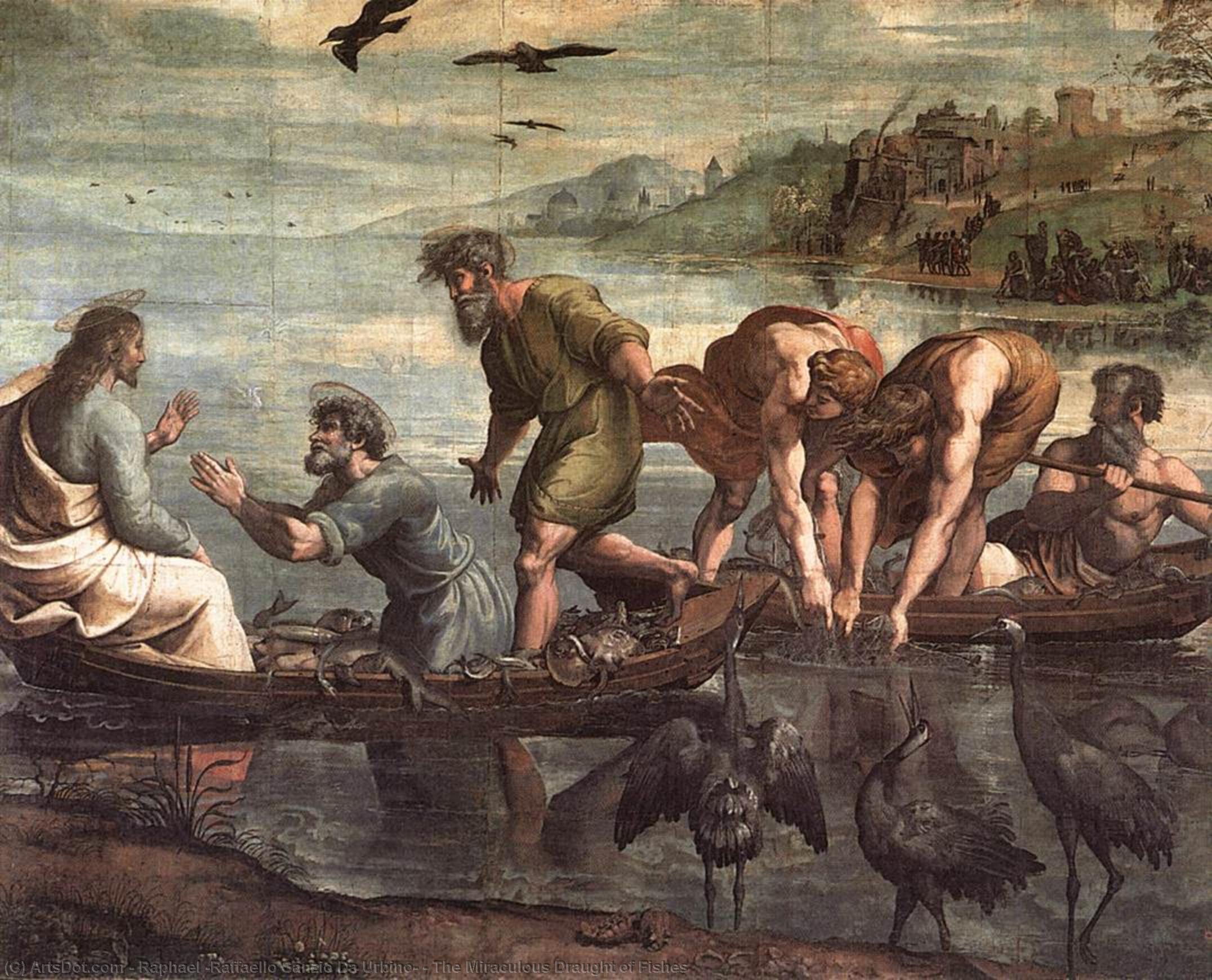
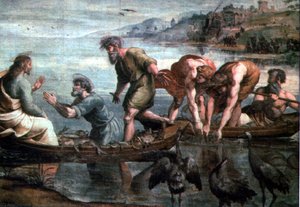
The Miraculous Draught of Fishes


 Read More
Purchase a high-resolution, enhanced digital image, far superior to the online preview.
Each file is meticulously prepared by our in-house specialists using advanced tools and expert manual retouching. We ensure every image has exceptional clarity, precise color accuracy, and fine detail.
The final file is delivered via email within 72 hours, optimized for immediate use in professional, editorial, and print environments. This is the same quality trusted by top-tier design studios, publishers, and galleries.
Digital Image
Download a high-resolution file for personal display, printing, and creative projects. ( Buy Print Buy Hand Made Painting)
Included in Every Digital Image Order
Expert Digital Delivery, Guaranteed
When you choose ArtsDot.com, you're not just getting an image - you're receiving a professionally enhanced digital artwork, crafted with precision and backed by a satisfaction guarantee. Here's everything that comes with your order, automatically:

Fast Email Delivery
Your high-resolution digital image file will be emailed to you within 72 hours of ordering - ready for immediate use.

AI-Enhanced Digital File
Your artwork is professionally optimized using advanced AI tools and manual editing, ensuring maximum detail, clarity, and color accuracy.

Free Lifetime Re-Delivery
Accidentally deleted or lost your file? No worries - we'll resend it to you anytime, free of charge.

No Import Fees - Ever
Enjoy your artwork instantly with zero customs, duties, or delivery fees - digital downloads are always tax-free.

Color Accuracy Guarantee
We ensure your digital image reflects the original colors as closely as possible using professional tools and color management.

60-Day Satisfaction Guarantee
If you're not satisfied with your digital image, we'll revise it or refund 100% within 60 days - no questions asked.

100% Money-Back Guarantee
Not satisfied? Get a full refund within 60 days of receiving your digital file - no questions asked.

Bulk Order Discounts
Buy 3 images, save 10% - Buy 5, save 15% - Buy 10+, save 20%. Great for creative projects, galleries, and agencies.
Collectible Description
A Testament to Faith and Renaissance Genius: Raphael’s ‘The Miraculous Draught of Fishes’
Raphael Sanzio da Urbino's “The Miraculous Draught of Fishes,” completed between 1515-16 for Pope Leo X, stands as a cornerstone of High Renaissance art—a breathtaking testament to humanist ideals and artistic mastery. More than just a depiction of biblical narrative, this monumental cartoon embodies the spirit of its time, reflecting the intellectual fervor and spiritual contemplation that characterized papal Rome during Leonardo da Vinci’s reign. Its serene composition immediately draws the eye, establishing a harmonious balance between figures and landscape—a hallmark of Raphael's distinctive style.- Subject Matter: The painting recounts the Gospel account of Jesus miraculously feeding five thousand people with loaves of bread and fish. This pivotal event underscores themes of divine providence and compassion, central to Christian theology.
- Style: Raphael’s approach aligns perfectly with the humanist aesthetic championed by Lorenzo Medici—characterized by clarity, elegance, and idealized beauty. The figures are rendered with meticulous anatomical accuracy, conveying grace and dignity while simultaneously capturing emotional nuance.
- Technique: Raphael utilized tempera paint on gesso panel—a technique favored by Florentine artists during the Renaissance—resulting in vibrant colors and exceptional durability.
- Symbolism: The loaves of bread and fish symbolize Christ’s provision for humanity, representing divine grace and sustenance beyond material needs.
Related Artworks
Artist Biography
The Urbino Renaissance: Raphael’s Early Life and Formation
Raffaello Sanzio da Urbino, known to the world as Raphael, emerged from a remarkably fertile cultural landscape. Born in 1483 within the walls of Urbino, a small but intellectually vibrant city-state in central Italy, his earliest years were steeped in an atmosphere that prized both artistic skill and humanist learning. His father, Giovanni Santi, was not merely a painter employed by Duke Federico da Montefeltro—he was a man deeply engaged with the currents of Renaissance thought, a poet who chronicled the Duke’s life and actively sought out innovative artistic ideas from across Italy and beyond. This immersion in a courtly environment, one that valued refinement and intellectual discourse, profoundly shaped the young Raphael's sensibilities. The loss of his father at age eleven thrust responsibility upon him, but also provided an opportunity to hone his skills within the family workshop, absorbing techniques and traditions under the guidance of local artists. Even in these early works, a gentle grace and meticulous attention to detail—hallmarks of his mature style—began to emerge.
From Umbria to Florence: Absorbing New Influences
Raphael’s artistic journey was one of continuous evolution, marked by periods of intense study and assimilation. His initial training under Pietro Perugino in Perugia laid a solid foundation in the Umbrian style—characterized by its soft modeling, harmonious compositions, and serene religious scenes. However, Raphael possessed an insatiable curiosity that drove him to seek out new challenges and expand his artistic horizons. In 1504, he journeyed to Florence, a city then pulsating with the energy of artistic innovation. Here, he encountered the masterpieces of Leonardo da Vinci and Michelangelo, artists who were pushing the boundaries of painting in unprecedented ways. He meticulously studied their techniques—Leonardo’s sfumato, his subtle gradations of light and shadow, and Michelangelo’s powerful anatomical precision and dramatic compositions. This Florentine period was a crucible for Raphael, forcing him to confront new artistic possibilities and synthesize them into his own unique vision. The influence is visible in the increased dynamism and psychological depth of his works from this time, particularly in his series of Madonnas.
The Roman Triumph: Commissions and Masterpieces
In 1508, Raphael received a summons that would alter the course of his career—an invitation from Pope Julius II to come to Rome. This marked the beginning of his most prolific and celebrated period. The Eternal City offered him an unparalleled opportunity to showcase his talents on a grand scale, adorning the papal apartments in the Vatican with breathtaking frescoes. The School of Athens, arguably his most famous work, stands as a testament to his mastery of composition, perspective, and philosophical allegory. Within its majestic space, Raphael brought together figures from classical antiquity—Plato, Aristotle, Pythagoras, Euclid—creating a vibrant tableau that celebrated human reason and the pursuit of knowledge. He continued working for subsequent Popes, Leo X among them, undertaking monumental projects like the decoration of the Stanze della Segnatura and the Stanza d'Eliodoro. His frescoes in these rooms are not merely decorative; they are profound statements about papal power, religious belief, and the ideals of the Renaissance.
A Synthesis of Grace and Grandeur: Raphael’s Artistic Style
Raphael’s artistic style is often described as a harmonious blend of grace, clarity, and idealized beauty. He possessed an extraordinary ability to synthesize diverse influences—the Umbrian tradition, Florentine innovations, classical antiquity—into a uniquely balanced aesthetic. His compositions are meticulously planned, exhibiting a sense of order and proportion that reflects his deep understanding of Renaissance principles. His figures radiate a serene dignity and emotional expressiveness, embodying the humanist ideal of human perfection. He was also a master colorist, employing rich, luminous hues to create works that are both visually captivating and intellectually stimulating. Unlike Michelangelo’s often dramatic and turbulent style, Raphael's work exudes a sense of calm and harmony—a quality that has endeared him to audiences for centuries.
Legacy and Enduring Influence
Raphael’s untimely death in 1520 at the age of thirty-seven cut short a career brimming with potential. Yet, his legacy endures as one of the most significant figures in Western art history. His work became a cornerstone of the High Renaissance aesthetic, serving as a model for generations of artists. While Michelangelo’s influence would later dominate artistic discourse, Raphael's emphasis on clarity, harmony, and idealized beauty experienced a revival during the Neoclassical period, championed by critics like Johann Joachim Winckelmann. Today, his paintings continue to inspire awe and admiration, captivating viewers with their technical brilliance, emotional depth, and enduring appeal. His influence can be seen in countless works of art that followed, solidifying his place as a true master of the Renaissance—a painter who captured not only the physical likeness of his subjects but also the very essence of human grace and dignity.
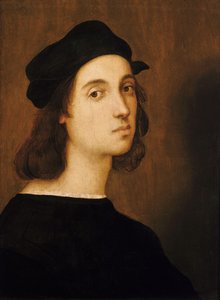
Raphael
1483 - 1520 , Italy
Quick Facts
- Artistic Movement Or Style: High Renaissance
- Artists Or Movements Influenced By This Artist: ['Neoclassical painting']
- Artists Who Influenced This Artist:
- Leonardo da Vinci
- Michelangelo
- Date Of Birth: 1483
- Date Of Death: 1520
- Full Name: Raphael
- Nationality: Italian
- Notable Artworks:
- School of Athens
- Sistine Madonna
- The Transfiguration
- Place Of Birth: Urbino, Italy

