 Preview
 Send
Send Share
Share
 Details

 Download
 Similars
 X-Ray
X-Ray Diaporama
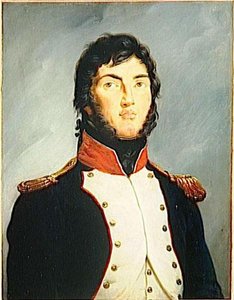
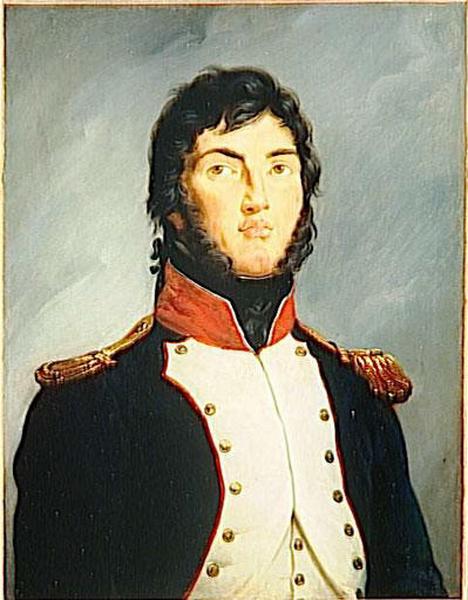
LOUIS GABRIEL SUCHET, LIEUTENANT COLONEL AU 4E BATAILLON DE L'ARDECHE EN 1792 (1770 1826)
 Read More
Giclée / Art Print
Museum-quality giclée or canvas print with fast production and flexible finish options. ( Buy Hand Made Painting Buy Image)




































Pick from our preset sizes that match the artwork's original proportions.

You may enter your own dimensions to fit a specific frame or space. If your selected size does not match the original image's proportions, we will either crop the artwork or extend the image with a mirrored or solid-fill edge. A digital mockup will be sent for your approval before production begins.
Please note that the on-screen preview does not reflect the actual cropping or extension. Only the mockup will accurately show the final composition.
While custom sizes are available, we recommend selecting a dimension from the predefined list to preserve the original proportions.
Worldwide Delivery () in 2 weeks instead of standard 4/5 weeks. (21 August)

Free Worldwide Express Shipping

High-Quality Linen Canvas

Full Shipping Insurance

Customs Tax Refund Guarantee

True Color Matching Guarantee

60-Day Return Policy (Defects Only)

100% Money-Back Guarantee

Bulk Discount Offer
 Glass option is only available in size under 110 CM

LOUIS GABRIEL SUCHET, LIEUTENANT COLONEL AU 4E BATAILLON DE L'ARDECHE EN 1792 (1770 1826)
Giclée / Art Print
Reproduction Size
-


Total Price
$ 63
Related Artworks
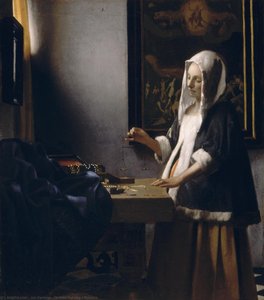
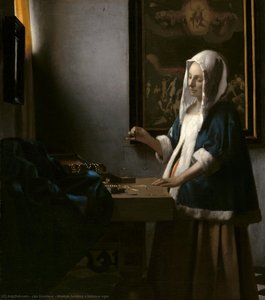
Artist Biography
Vincent Raverat: Bridging Renaissance Grandeur and Romantic Impression
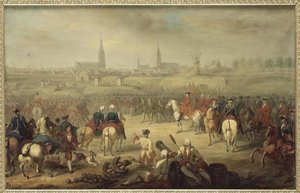
Vincent Raverat (1770 – 1838) stands as a pivotal figure in French art history, embodying the confluence of Neoclassical ideals with burgeoning Romantic sensibilities. Born into a noble family steeped in artistic tradition—his father was a renowned sculptor—Raverat’s early life fostered an environment conducive to cultivating his prodigious talent for painting and drawing. Unlike many artists of his era who pursued formal training at academies, Raverat largely educated himself through meticulous observation and tireless experimentation, establishing him as a truly independent artist. His artistic journey commenced in earnest during the Napoleonic Wars, where he served as an officer in Napoleon’s army, gaining invaluable experience in sketching battle scenes and capturing dramatic moments of military life. This formative period instilled within him a profound appreciation for realism and a commitment to portraying subjects with unflinching accuracy—qualities that would characterize his oeuvre throughout his career. The influence of Jacques-Louis David, the dominant sculptor of the time, is palpable in Raverat’s early works, particularly his depictions of historical figures and mythological narratives, demonstrating a masterful grasp of classical composition and technique. Raverat's artistic style evolved considerably over time, reflecting the shifting currents of Romanticism. Initially favoring meticulous detail and precise rendering—as evidenced by paintings like “Georges Mouton,” Capitaine au 9e Bataillon de la Meurthe (1792)—he gradually embraced looser brushstrokes and softer tonal palettes, mirroring the aesthetic preferences of artists such as Eugène Delacroix and Théodore Rousseau. This stylistic shift wasn’t merely a matter of artistic preference; it represented a conscious effort to capture the emotional essence of his subjects—a hallmark of Romantic art—and to convey the sublime beauty of nature. Among Raverat's most celebrated achievements is “Prise de Furnes” (1744), an arresting oil painting commemorating a decisive siege during the War of Succession. The artwork’s dynamic composition, reminiscent of David’s monumental sculptures, captures the intensity and chaos of battle with remarkable precision. Raverat skillfully utilizes chiaroscuro—the dramatic interplay of light and shadow—to heighten the emotional impact of the scene, drawing viewers into the immediacy of the action. Furthermore, his meticulous attention to detail—from the uniforms of the soldiers to the expressions on their faces—demonstrates a dedication to capturing not only visual accuracy but also psychological nuance. Raverat’s legacy extends beyond individual masterpieces; he played an instrumental role in shaping the artistic landscape of France during the Romantic era. His unwavering commitment to realism combined with his embrace of expressive brushwork established him as a significant voice within the movement, influencing subsequent generations of artists and contributing to the development of French painting as we know it today. He remains a testament to the enduring power of observation, disciplined technique, and artistic vision—qualities that continue to inspire admiration and scholarly study centuries after his lifetime.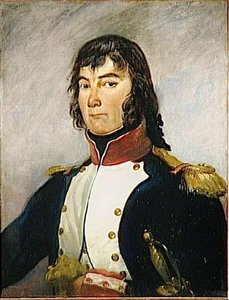
Quick Facts
- Artistic Movement Or Style: Romanticism
- Artists Or Movements Influenced By This Artist: ['Romanticism']
- Artists Who Influenced This Artist: ['Eugène Delacroix']
- Date Of Birth: 1770
- Date Of Death: 1838
- Full Name: Vincent Raverat
- Nationality: French
- Notable Artworks:
- Georges Mouton, Capitaine au 9e Bataillon de la Meurthe
- Arthus De Cosse, Marechal de France
- Prise de Furnes En Belgique Par Le Prince De Clermont
- Place Of Birth: Paris, France