 Preview
 Send
Send Share
Share
 Details

 Download
 Similars
 X-Ray
X-Ray Diaporama
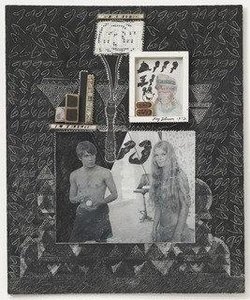
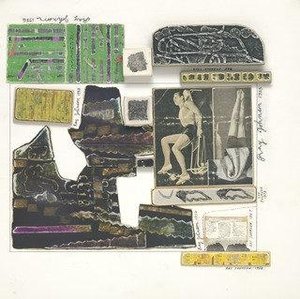
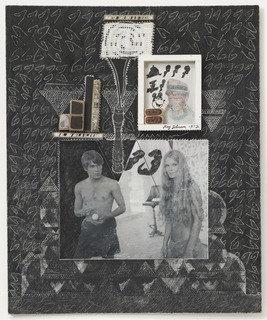
Diane Varsi's Mother's Potato Masher
 1972
1972 64.0 x 54.0 cm
 Read More
Giclée / Art Print
Museum-quality giclée or canvas print with fast production and flexible finish options. ( Buy Hand Made Painting Buy Image)




































Pick from our preset sizes that match the artwork's original proportions.

You may enter your own dimensions to fit a specific frame or space. If your selected size does not match the original image's proportions, we will either crop the artwork or extend the image with a mirrored or solid-fill edge. A digital mockup will be sent for your approval before production begins.
Please note that the on-screen preview does not reflect the actual cropping or extension. Only the mockup will accurately show the final composition.
While custom sizes are available, we recommend selecting a dimension from the predefined list to preserve the original proportions.
Worldwide Delivery () in 2 weeks instead of standard 4/5 weeks. (23 August)

Free Worldwide Express Shipping

High-Quality Linen Canvas

Full Shipping Insurance

Customs Tax Refund Guarantee

True Color Matching Guarantee

60-Day Return Policy (Defects Only)

100% Money-Back Guarantee

Bulk Discount Offer
 Glass option is only available in size under 110 CM

Diane Varsi's Mother's Potato Masher
Giclée / Art Print
Reproduction Size
-


Total Price
$ 63
Related Artworks






Artist Biography
Ray Johnson: A Pioneer of Collage and Conceptual Art
Ray Johnson (1927-1995) stands as a singular figure in American art history, embodying the spirit of Neo-Dada, Pop Art, and Conceptual art simultaneously. Born in Detroit, Michigan, he emerged from the postwar avant-garde scene with an uncompromising vision—one that prioritized playful experimentation over traditional artistic conventions and actively challenged notions of authorship and materiality. His legacy rests on a distinctive approach to collage, his groundbreaking “Correspondence School” mail art practice, and provocative performance pieces that blurred the lines between art and everyday life.Early Influences and Artistic Formation
Johnson’s formative years were marked by exposure to Surrealism and Abstract Expressionism, though he rejected their formal rigidity. He studied at Yale University under Josef Albers, whose teachings on color theory profoundly impacted his artistic sensibility—a sensitivity that would become central to his distinctive visual language. This influence is evident in his meticulous layering of textures and colors, creating compositions that are both deceptively simple and brimming with subtle complexities. Notably, he collaborated closely with Robert Rauschenberg during the early 1950s, sharing a commitment to exploring unexpected juxtapositions and embracing chance operations within their artworks.The Collage Technique: Fragmentation and Assemblage
Johnson’s artistic breakthrough arrived in the mid-1950s with his pioneering use of collage—a technique he elevated beyond mere decorative embellishment into a powerful tool for conceptual exploration. He began incorporating found objects, scraps of paper, photographs, and printed matter into his canvases, meticulously arranging them to generate evocative images that defied easy categorization. Works like “Untitled (Exercising Figures with Moticos)” exemplify this approach, presenting fragmented forms against a muted backdrop—a deliberate strategy designed to disrupt conventional visual hierarchies and invite viewers to engage in active interpretation. The resulting collages are not merely representations of reality but rather meditations on process and materiality itself.Mail Art: Expanding Artistic Boundaries
Perhaps Johnson’s most innovative contribution to the art world was his establishment of the “Correspondence School” mail art project in 1954—a radical departure from traditional gallery exhibitions. He invited fellow artists to send each other postcards bearing miniature artworks or textual fragments, fostering a collaborative dialogue that transcended geographical boundaries and questioned the role of the artist as producer and consumer of culture. This practice underscored Johnson’s belief that art should circulate freely and engage in reciprocal exchange—a conviction that anticipated the rise of digital media and continues to inspire artists today.Performance Art and Conceptual Engagement
Beyond collage and mail art, Johnson engaged actively in performance art, utilizing his body as a medium for artistic expression. His performances often involved repetitive actions or improvisational gestures—aiming to destabilize expectations of theatrical spectacle and prompting viewers to confront fundamental questions about identity and perception. These works underscored his commitment to Conceptual art’s core principle: that the artwork itself is paramount, prioritizing ideas over visual aesthetics.Legacy and Historical Significance
Ray Johnson's influence extends far beyond his immediate peers. He helped shape the trajectory of Neo-Dada and Pop Art, demonstrating how artists could harness chance and appropriation to generate original artworks. His unwavering dedication to experimentation—coupled with his insistence on blurring distinctions between art and life—established him as a pivotal figure in the development of Conceptual art. Today, Johnson’s work is celebrated for its intellectual rigor, its visual inventiveness, and its enduring relevance to contemporary artistic discourse. The Piasecka-Johnson Collection houses an impressive selection of his pieces, allowing visitors to experience firsthand the transformative power of his singular vision.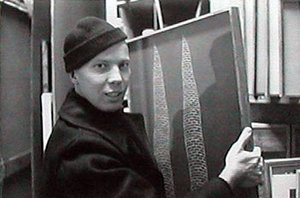
Ray Johnson
1927 - 1995 , United States of America
Quick Facts
- Artistic Movement Or Style: Neo-Dada, Pop Art & Conceptual art
- Artists Who Influenced This Artist: ['Robert Rauschenberg']
- Date Of Birth: 1927
- Full Name: Ray Johnson
- Nationality: American
- Notable Artworks:
- Untitled (Exercising Figures with Moticos)
- Untitled (Mr. Oldenburg's Cup)
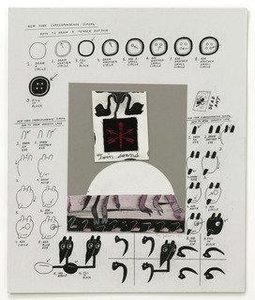
- Untitled (How to Draw a Tender Button)
- Place Of Birth: Detroit, United States