

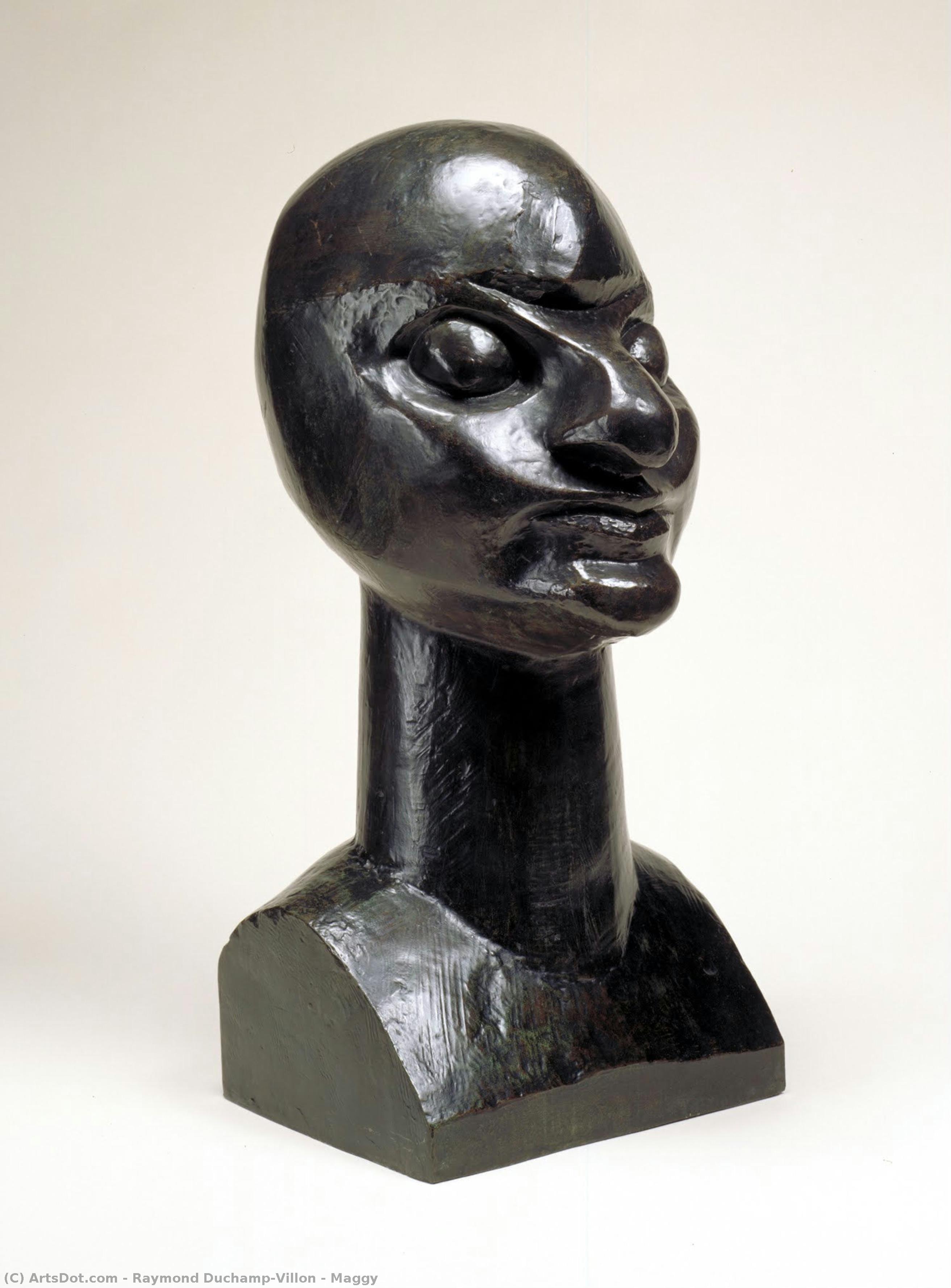
 Preview
 Send
Send Share
Share
 Details

 Download
 Similars
 X-Ray
X-Ray Diaporama
Maggy


 Read More
Purchase a high-resolution, enhanced digital image, far superior to the online preview.
Each file is meticulously prepared by our in-house specialists using advanced tools and expert manual retouching. We ensure every image has exceptional clarity, precise color accuracy, and fine detail.
The final file is delivered via email within 72 hours, optimized for immediate use in professional, editorial, and print environments. This is the same quality trusted by top-tier design studios, publishers, and galleries.
Digital Image
Download a high-resolution file for personal display, printing, and creative projects. ( Buy Print Buy Hand Made Painting)
Included in Every Digital Image Order
Expert Digital Delivery, Guaranteed
When you choose ArtsDot.com, you're not just getting an image - you're receiving a professionally enhanced digital artwork, crafted with precision and backed by a satisfaction guarantee. Here's everything that comes with your order, automatically:

Fast Email Delivery
Your high-resolution digital image file will be emailed to you within 72 hours of ordering - ready for immediate use.

AI-Enhanced Digital File
Your artwork is professionally optimized using advanced AI tools and manual editing, ensuring maximum detail, clarity, and color accuracy.

Free Lifetime Re-Delivery
Accidentally deleted or lost your file? No worries - we'll resend it to you anytime, free of charge.

No Import Fees - Ever
Enjoy your artwork instantly with zero customs, duties, or delivery fees - digital downloads are always tax-free.

Color Accuracy Guarantee
We ensure your digital image reflects the original colors as closely as possible using professional tools and color management.

60-Day Satisfaction Guarantee
If you're not satisfied with your digital image, we'll revise it or refund 100% within 60 days - no questions asked.

100% Money-Back Guarantee
Not satisfied? Get a full refund within 60 days of receiving your digital file - no questions asked.

Bulk Order Discounts
Buy 3 images, save 10% - Buy 5, save 15% - Buy 10+, save 20%. Great for creative projects, galleries, and agencies.
Related Artworks
Artist Biography
A Pioneer Forged in Form: The Life and Legacy of Raymond Duchamp-Villon
Raymond Duchamp-Villon, born Pierre-Maurice-Raymond Duchamp in 1876 in Damville, France, stands as a pivotal figure in the dramatic shift from traditional sculpture to the dynamic language of modernism. His tragically short life – he succumbed to typhoid fever in 1918 at just forty-one years old – belies an artistic output that profoundly impacted the course of twentieth-century art. Coming from a remarkably creative family—brothers Jacques Villon, Marcel Duchamp, and sister Suzanne Duchamp-Crotti all achieved prominence as artists—Raymond initially pursued medicine at the Sorbonne. However, rheumatic fever forced him to abandon his medical studies in 1898, an unforeseen turning point that redirected his energies toward sculpture. This wasn’t a sudden leap; he began sculpting during his convalescence, discovering a natural aptitude and quickly mastering the technical demands of the medium. Early works initially echoed the naturalistic style of Auguste Rodin, but this phase was merely a foundation upon which he would build a radically new sculptural vocabulary. To distinguish himself within his artistically gifted family, he adopted the name Duchamp-Villon for all his artistic endeavors, signaling an assertion of individual identity and creative direction.Embracing Cubism: A Sculptural Revolution
The early years of the twentieth century witnessed a seismic shift in the art world with the emergence of Cubism, pioneered by Pablo Picasso and Georges Braque. Duchamp-Villon was among the first to translate this revolutionary visual language into three dimensions. He wasn’t simply replicating Cubist paintings in sculptural form; rather, he sought to embody its principles – fragmentation, multiple perspectives, and geometric abstraction – within the physicality of sculpture itself. This exploration led him to become a central member of the Section d’Or group, a collective of artists, poets, and critics who profoundly shaped early modern art. The Section d’Or aimed to synthesize artistic disciplines and explore the mathematical principles underlying beauty and harmony. Within this context, Duchamp-Villon's work moved beyond mere representation toward an exploration of form, movement, and the very essence of sculptural space. Torse de jeune homme (Torso of a Young Man), exemplifies this evolving style, demonstrating his increasing abstraction while retaining a sense of anatomical structure. His participation in the 1912 Salon de la Section d’Or and the groundbreaking 1913 Armory Show in New York cemented his position at the forefront of avant-garde art, introducing his innovative sculptures to an international audience.The Horse and The House: Defining a Modern Aesthetic
Duchamp-Villon's most celebrated achievement is undoubtedly Le Cheval Majeur (The Large Horse), begun in 1914 but never fully completed in his lifetime. This monumental sculpture, existing in multiple casts – notably one housed at the Miami Art Museum – embodies a dynamic fusion of animal form and mechanical energy. It’s not merely a representation of a horse; it's an evocation of movement, power, and the burgeoning industrial age. The fragmented planes and angular forms capture the essence of equine locomotion while simultaneously suggesting the intricate workings of machinery. La Maison Cubiste (The Cubist House), another significant work from 1912-1914, showcases his architectural experimentation within a Cubist framework. Designed as a façade for a Parisian art gallery, it demonstrates his ability to apply abstract principles to functional design, blurring the boundaries between sculpture and architecture. Gallic Cock, created in 1916, further illustrates his mastery of layered relief sculpture, radiating energy and bold color through its dynamic composition. These works weren’t isolated experiments; they were integral parts of a broader artistic investigation into the possibilities of form, space, and movement.Influences and Lasting Impact
Duchamp-Villon's artistic vision was shaped by a confluence of influences. Beyond the foundational impact of Cubism – particularly the work of Picasso and Braque – he shared an affinity with Italian Futurists in his depiction of dynamism and mechanical movement. The Futurist fascination with speed, technology, and the energy of modern life resonated deeply with his own sculptural explorations. He also drew inspiration from Primitivist art forms, evident in later works like Portrait of Professor Gosset, which bears a striking resemblance to an African death mask. This engagement with non-Western aesthetics reflects a broader trend among early modernist artists seeking new sources of artistic expression. His contribution to modern sculpture is immeasurable. Duchamp-Villon’s innovative use of geometric forms, his exploration of movement and dynamism, and his bridging of the gap between painting and sculpture fundamentally altered the course of sculptural practice. His untimely death during World War I – he served in a medical capacity before contracting typhoid fever – robbed the art world of a truly visionary talent. However, posthumous exhibitions featuring his work alongside that of his family members ensured his place as a pivotal figure in the development of Cubism and modern sculpture, an enduring legacy forged in form and innovation.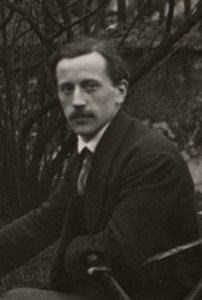
Raymond Duchamp-Villon
1876 - 1918 , France
Quick Facts
- Artistic Movement Or Style: Cubism
- Artists Or Movements Influenced By This Artist:
- Futurism
- Modern sculpture
- Artists Who Influenced This Artist:
- Picasso
- Braque
- Rodin
- Date Of Birth: November 5, 1876
- Date Of Death: October 9, 1918
- Full Name: Pierre-Maurice-Raymond Duchamp
- Nationality: French
- Notable Artworks:
- Torso of a Young Man
- The Cubist House
- The Large Horse
- Gallic Cock
- Place Of Birth: Damville, France

