 Preview
 Send
Send Share
Share
 Details

 Download
 Similars
 X-Ray
X-Ray Diaporama
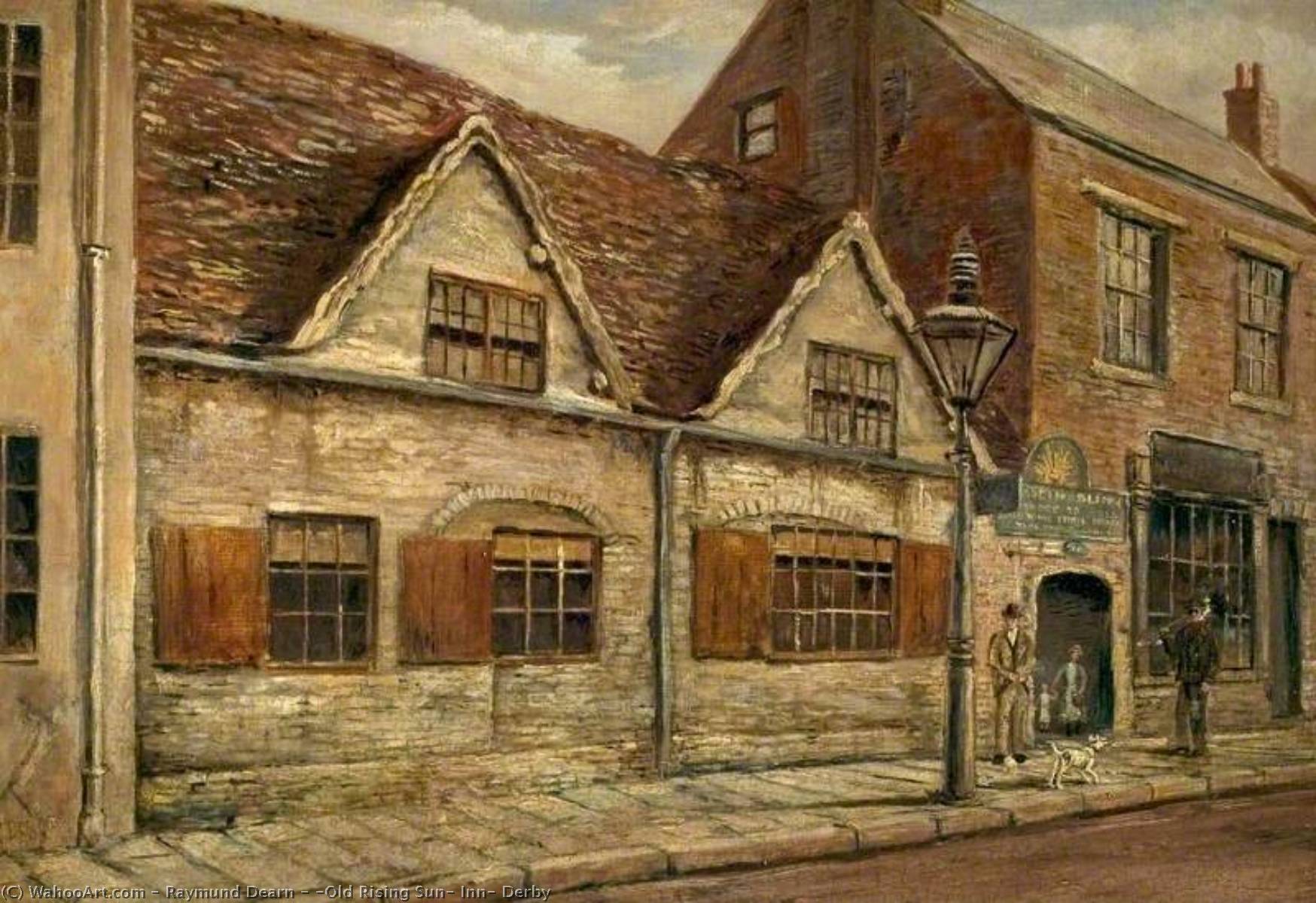
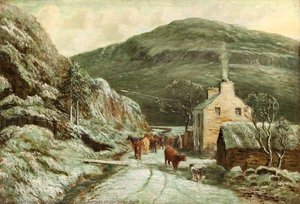
'Old Rising Sun' Inn, Derby
 1886
1886 35.0 x 49.0 cm
 Read More
Hand Made Oil Reproduction
Hand-painted oil on canvas in your size and frame, made to order by our artists. ( Buy Print Buy Image)




































Pick from our preset sizes that match the artwork's original proportions.

You may enter your own dimensions to fit a specific frame or space. If your selected size does not match the original image's proportions, we will either crop the artwork or extend the painting with additional hand-painted elements. A digital mockup will be sent for your approval before production begins.
Please note that the on-screen preview does not reflect the actual cropping or extension. Only the mockup will accurately show the final composition.
While custom sizes are available, we recommend selecting a dimension from the predefined list to preserve the original proportions.
After order, ArtsDot.com team will email client for instructions and provide a mockup preview
Worldwide Delivery () in 3/4 weeks instead of standard 5 weeks. (20 August). No compromise on quality.

Free Worldwide Express Shipping

High-Quality Linen Canvas

Full Shipping Insurance

Customs Tax Refund Guarantee

True Color Matching Guarantee

60-Day Return Policy (Defects Only)

100% Money-Back Guarantee

Bulk Discount Offer
 Glass option is only available in size under 110 CM

'Old Rising Sun' Inn, Derby
Reproduction Medium
Reproduction Size
-


Total Price
$ 263
Related Artworks


Artist Biography
A Chronicler of a Vanishing Isle: The Life and Art of Raymund Dearn
Raymund Dearn, born in 1858 and passing in 1925, occupies a unique position within the pantheon of Victorian landscape painters. Though not widely celebrated during his lifetime, his meticulous depictions of Manx life – the cottages nestled amongst rolling hills, the bustling scenes around local inns, and the serene beauty of places like Sulby Glen – now offer an invaluable window into a world rapidly disappearing under the weight of modernity. Dearn wasn’t merely painting pictures; he was meticulously documenting a way of life, preserving its essence on canvas with remarkable sensitivity and detail. His work stands as a testament to the charm and character of the Isle of Man during a pivotal period in its history, capturing not just *what* it looked like, but *how* it felt to live there. He is an artist intrinsically linked to his homeland, and his paintings resonate with a deep affection for the island’s people and traditions.Early Life and Artistic Development
Details surrounding Dearn's early life remain somewhat elusive, typical of many artists working outside the established art circles of London or Paris. What is known is that he received his artistic training in Derby, England – a city with a thriving artistic community at the time. This grounding in British watercolor techniques would profoundly shape his style. While there’s no evidence of formal academic study, Dearn clearly possessed a natural aptitude for observation and an exceptional eye for detail. His early works demonstrate a proficiency in capturing light and atmosphere, skills he honed through diligent practice and a keen understanding of the nuances of color. He returned to the Isle of Man sometime after his training, establishing himself as a local artist dedicated to portraying the scenes around him. It’s believed that he supported himself primarily through commissions, painting portraits alongside his beloved landscapes. This need for practical income likely influenced his choice of subject matter; depicting idyllic rural scenes and comfortable domestic interiors appealed to a broad clientele eager to possess tangible reminders of their surroundings.The Manx Landscape as Subject
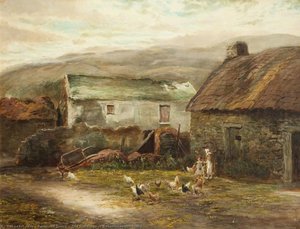
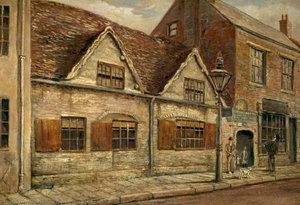
Dearn’s artistic focus centered almost exclusively on the Isle of Man, specifically its rural landscapes and everyday life. He wasn't interested in grand vistas or dramatic geological formations; instead, he found beauty in the ordinary – a whitewashed cottage with smoke curling from its chimney, children playing near a stream, farmers tending their fields. His paintings are characterized by an extraordinary level of detail, almost photographic in their precision. Every stone wall, every thatched roof, every blade of grass is rendered with painstaking accuracy. This meticulous approach wasn’t simply about technical skill; it was driven by a desire to capture the authenticity of Manx life before it vanished. He frequently depicted scenes around Sulby Glen, a particularly picturesque valley on the island, and also documented the architecture of Old Derby Buildings, preserving images of structures that have since been lost or altered. His work offers a unique visual record of Victorian Isle of Man, providing invaluable insights into its social customs, architectural styles, and agricultural practices.Technique and Influences
Dearn’s technique is firmly rooted in the British watercolor tradition. He employed a delicate layering of washes to create luminous effects and subtle gradations of color. His palette favored muted tones – greens, browns, grays, and ochres – reflecting the natural hues of the Manx landscape. While he wasn't an innovator in terms of technique, his mastery of traditional methods allowed him to achieve remarkable realism and atmospheric depth. Influences are difficult to pinpoint definitively, but echoes of artists like David Cox and Frederick Goodall can be detected in his work – both known for their detailed depictions of rural British life. However, Dearn’s style is distinctly his own, characterized by a quiet intimacy and a profound respect for his subject matter. He eschewed the dramatic flourishes favored by some of his contemporaries, opting instead for a more understated approach that emphasized observation and accuracy.Legacy and Historical Significance
Though largely overlooked during his lifetime, Raymund Dearn’s work has experienced a resurgence in recent years. His paintings are now highly sought after by collectors and art historians interested in Victorian Isle of Man. He is recognized as an important chronicler of a vanishing way of life, providing invaluable insights into the social customs, architectural styles, and agricultural practices of the island during a pivotal period in its history.- His paintings serve as a visual archive, preserving images of structures and landscapes that have since been lost or altered.
- Dearn’s meticulous attention to detail offers a unique glimpse into the everyday lives of Manx people.
- He stands as a testament to the power of art to document and preserve cultural heritage.
raymund dearn
1858 - 1925
Quick Facts
- Artistic Movement Or Style: Watercolorist
- Artists Or Movements Influenced By This Artist: ['']
- Artists Who Influenced This Artist: ['']
- Date Of Birth: 1858
- Date Of Death: 1925
- Full Name: Raymund Dearn
- Nationality: British
- Notable Artworks:
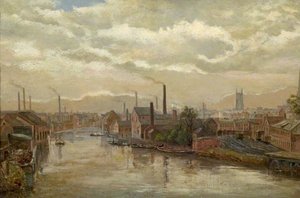
- The River Derwent from the Great Northern Railway Bridge, Derby
- Polish Cottage on the Sulby River