

 Preview
 Send
Send Share
Share
 Details

 Download
 Similars
 X-Ray
X-Ray Diaporama
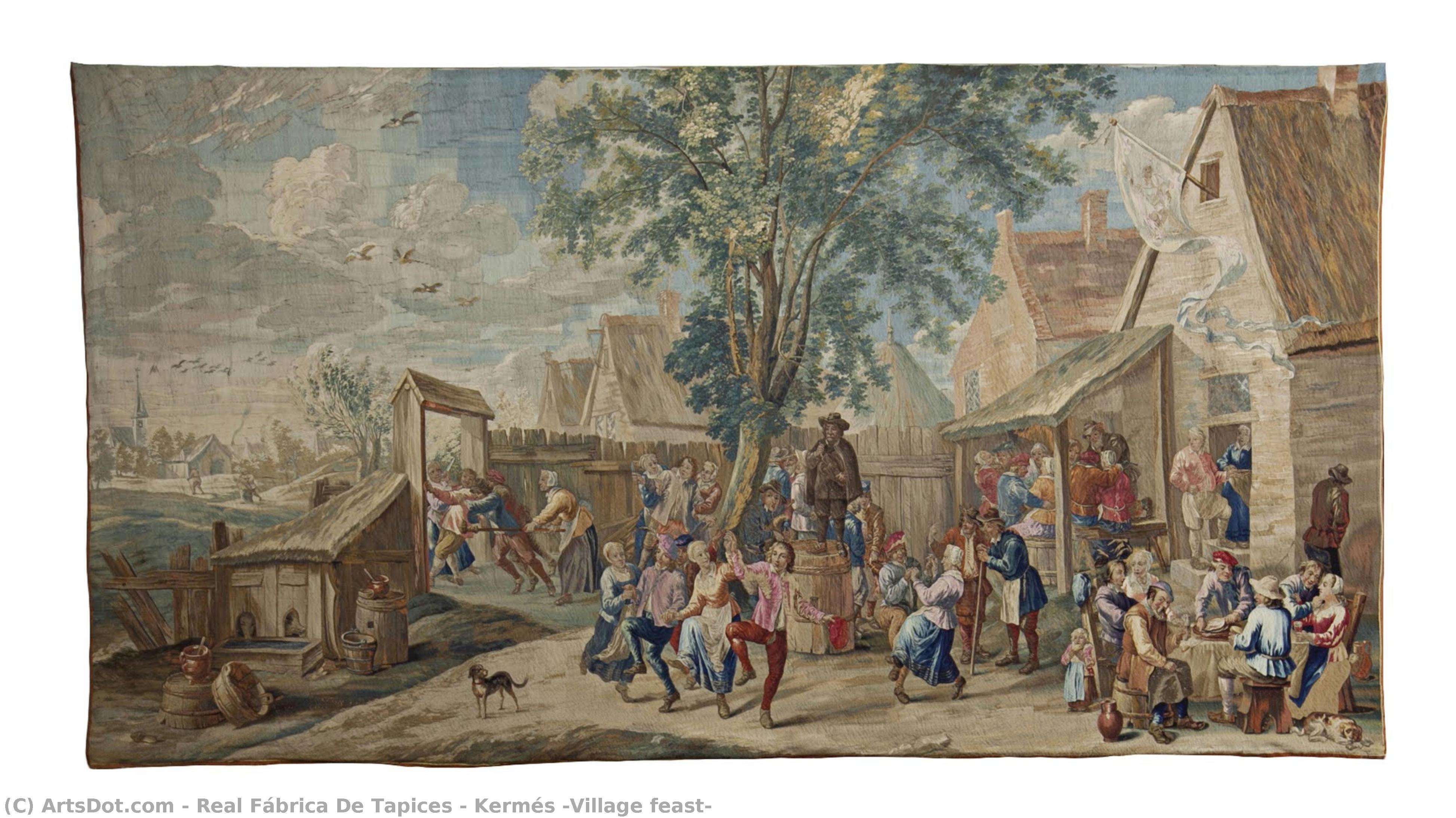
Kermés (Village feast)
 1730
1730 260.0 x 497.0 cm
 The Catedral de Santiago Foundation
 Read More
Purchase a high-resolution, enhanced digital image, far superior to the online preview.
Each file is meticulously prepared by our in-house specialists using advanced tools and expert manual retouching. We ensure every image has exceptional clarity, precise color accuracy, and fine detail.
The final file is delivered via email within 72 hours, optimized for immediate use in professional, editorial, and print environments. This is the same quality trusted by top-tier design studios, publishers, and galleries.
Digital Image
Download a high-resolution file for personal display, printing, and creative projects. ( Buy Print Buy Hand Made Painting)
Included in Every Digital Image Order
Expert Digital Delivery, Guaranteed
When you choose ArtsDot.com, you're not just getting an image - you're receiving a professionally enhanced digital artwork, crafted with precision and backed by a satisfaction guarantee. Here's everything that comes with your order, automatically:

Fast Email Delivery
Your high-resolution digital image file will be emailed to you within 72 hours of ordering - ready for immediate use.

AI-Enhanced Digital File
Your artwork is professionally optimized using advanced AI tools and manual editing, ensuring maximum detail, clarity, and color accuracy.

Free Lifetime Re-Delivery
Accidentally deleted or lost your file? No worries - we'll resend it to you anytime, free of charge.

No Import Fees - Ever
Enjoy your artwork instantly with zero customs, duties, or delivery fees - digital downloads are always tax-free.

Color Accuracy Guarantee
We ensure your digital image reflects the original colors as closely as possible using professional tools and color management.

60-Day Satisfaction Guarantee
If you're not satisfied with your digital image, we'll revise it or refund 100% within 60 days - no questions asked.

100% Money-Back Guarantee
Not satisfied? Get a full refund within 60 days of receiving your digital file - no questions asked.

Bulk Order Discounts
Buy 3 images, save 10% - Buy 5, save 15% - Buy 10+, save 20%. Great for creative projects, galleries, and agencies.
Collectible Description
Related Artworks




Artist Biography
The Royal Tapestry Factory: A Legacy Woven in Madrid
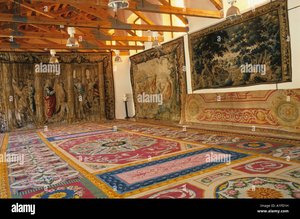
Nestled within the heart of Madrid, Spain, the Real Fábrica de Tapices – or Royal Tapestry Factory – stands as a testament to centuries of artistic dedication and masterful craftsmanship. Founded in 1720 by King Philip V, initially as a direct response to the loss of Spanish territories in Flanders and their renowned tapestry workshops, this institution has evolved from a mere imitation into a globally recognized center for textile art. More than just a manufacturer, it’s a living embodiment of Spain's artistic heritage, meticulously preserving traditional techniques while simultaneously embracing innovation and stylistic evolution.
The factory’s genesis is inextricably linked to the broader context of 18th-century European courtly life. Philip V sought to recreate the splendor of the Habsburg Netherlands, importing skilled Flemish weavers – notably Jacob Vandergoten and his family – who brought with them a wealth of experience in intricate tapestry production. Early designs were heavily influenced by the prevailing styles of Flanders and Italy, drawing inspiration from the works of masters like David Teniers III and Philips Wouwerman, whose dynamic scenes of hunting, festivals, and courtly life provided the initial framework for the factory’s output. These early tapestries weren't simply reproductions; they skillfully blended Flemish realism with a distinctly Spanish sensibility.
A Shifting Palette: From Flanders to Neoclassicism
As the centuries progressed, the Royal Tapestry Factory underwent a remarkable transformation, reflecting broader shifts in European artistic trends. The influence of Italy and France gradually permeated the designs, moving away from the predominantly Flemish aesthetic. Anton Rafael Mengs, a prominent figure in the Neoclassical movement, introduced a new level of sophistication, incorporating classical mythology, historical narratives, and a more structured compositional approach. Francisco Bayeu y Subías, a key contributor during this period, further refined these styles, injecting a sense of drama and elegance into the factory’s creations.
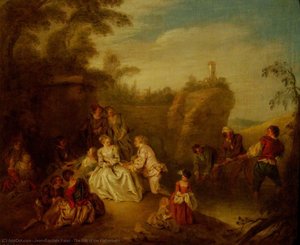
Notable among the factory's achievements is the “Kermés (Village Feast),” a vibrant depiction of rural Spanish life that showcases the meticulous detail and technical skill of the weavers. The "Historia de Don Quijote," commissioned in the early 18th century, stands as another landmark work, demonstrating the factory’s ability to translate complex literary narratives into visually compelling tapestries. The collaboration with Francisco Goya during his formative years is particularly significant; his youthful designs for tapestries reveal a burgeoning talent that would later blossom into some of the most iconic images in Spanish art.
Innovation and Technique
The Royal Tapestry Factory’s success wasn't solely reliant on artistic vision. The factory consistently embraced innovative techniques, solidifying its position as a leader in textile production. Early adoption of low-warp looms – a departure from the more common high-warp systems – allowed for greater flexibility and detail in the weaving process. The introduction of new materials and dyeing methods further enhanced the quality and durability of the tapestries.
Throughout its history, the factory has maintained a commitment to excellence, continually adapting to changing tastes and incorporating advancements in technology. The use of Anoxia equipment for color analysis and digital microscopes for fabric examination exemplifies this dedication to precision and preservation. The factory’s embrace of sustainable practices, including water recycling and energy-efficient lighting, reflects a modern awareness of environmental responsibility.
A Living Tradition
Today, the Real Fábrica de Tapices continues its legacy as one of Spain's most treasured cultural institutions. It remains a vital center for textile art, employing master weavers who uphold centuries-old traditions while embracing contemporary design sensibilities. The factory’s work is not merely decorative; it serves as a powerful link to Spain’s rich artistic past and a testament to the enduring beauty of handcrafted textiles. Its ongoing commitment to education and preservation ensures that this remarkable legacy will continue to inspire generations to come.
For further exploration, visit the Kermés (Village Feast) or explore the artist’s profile at Real Fábrica de Tapices. Discover the work of Ramón Bayeu y Subías, a key collaborator, at Ramón Bayeu’s profile.
real fábrica de tapices
1720 - , Spain
Quick Facts
- Artistic Movement Or Style: Flemish, Italian & Spanish influences
- Artists Or Movements Influenced By This Artist: ['Goya']
- Artists Who Influenced This Artist:
- David Teniers III
- Philips Wouwerman
- Date Of Birth: 1720, Madrid, Spain
- Date Of Death: Living
- Full Name: Real Fábrica de Tapices
- Nationality: Spanish
- Notable Artworks:
- Kermés (Village feast)
- Historia de don Quijote
- Place Of Birth: Madrid, Spain

