

 Preview
 Send
Send Share
Share
 Details

 Download
 Similars
 X-Ray
X-Ray Diaporama
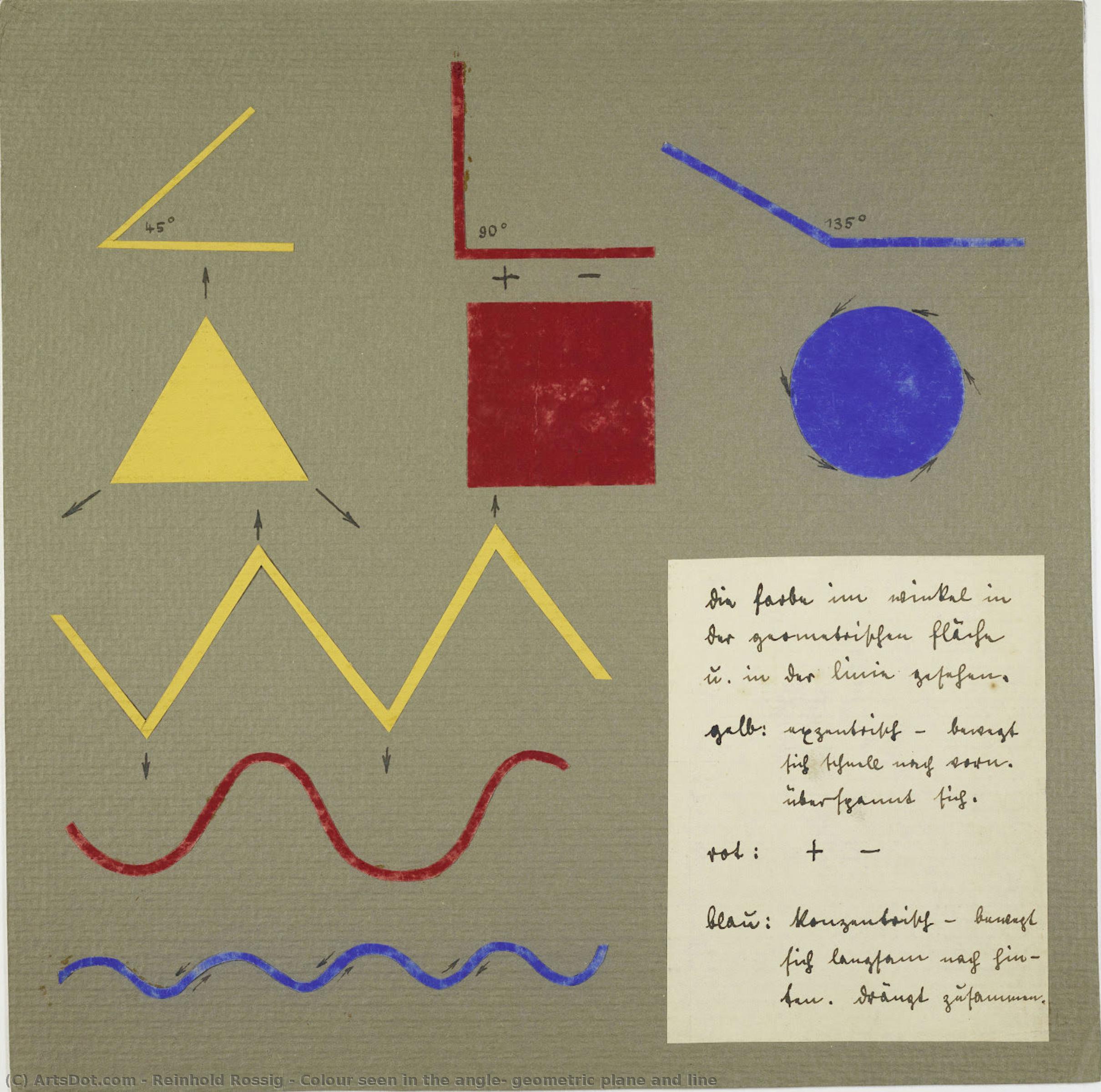
Colour seen in the angle, geometric plane and line


 Read More
Purchase a high-resolution, enhanced digital image, far superior to the online preview.
Each file is meticulously prepared by our in-house specialists using advanced tools and expert manual retouching. We ensure every image has exceptional clarity, precise color accuracy, and fine detail.
The final file is delivered via email within 72 hours, optimized for immediate use in professional, editorial, and print environments. This is the same quality trusted by top-tier design studios, publishers, and galleries.
Digital Image
Download a high-resolution file for personal display, printing, and creative projects. ( Buy Print Buy Hand Made Painting)
Included in Every Digital Image Order
Expert Digital Delivery, Guaranteed
When you choose ArtsDot.com, you're not just getting an image - you're receiving a professionally enhanced digital artwork, crafted with precision and backed by a satisfaction guarantee. Here's everything that comes with your order, automatically:

Fast Email Delivery
Your high-resolution digital image file will be emailed to you within 72 hours of ordering - ready for immediate use.

AI-Enhanced Digital File
Your artwork is professionally optimized using advanced AI tools and manual editing, ensuring maximum detail, clarity, and color accuracy.

Free Lifetime Re-Delivery
Accidentally deleted or lost your file? No worries - we'll resend it to you anytime, free of charge.

No Import Fees - Ever
Enjoy your artwork instantly with zero customs, duties, or delivery fees - digital downloads are always tax-free.

Color Accuracy Guarantee
We ensure your digital image reflects the original colors as closely as possible using professional tools and color management.

60-Day Satisfaction Guarantee
If you're not satisfied with your digital image, we'll revise it or refund 100% within 60 days - no questions asked.

100% Money-Back Guarantee
Not satisfied? Get a full refund within 60 days of receiving your digital file - no questions asked.

Bulk Order Discounts
Buy 3 images, save 10% - Buy 5, save 15% - Buy 10+, save 20%. Great for creative projects, galleries, and agencies.
Collectible Description
A Symphony of Geometry: Rediscovering Reinhold Rossig
In the quiet intersection of mathematical precision and vibrant expression lies "Colour seen in the angle, geometric plane and line," a mesmerizing masterwork by the German artist Reinhold Rossig. Created in 1929 during the height of the Bauhaus era, this piece serves as a profound meditation on the fundamental elements of visual language. At first glance, the viewer is met with a rhythmic dance of primary colors—bold reds, deep blues, and sun-drenched yellows—interwoven with verdant greens. The composition is a sophisticated collage of shapes, where large, commanding triangles anchor the left side of the frame, balanced by smaller, more delicate geometric forms that guide the eye toward a central, stabilizing circle. It is not merely a painting; it is an exploration of how light and color interact within defined boundaries.
The technique employed in this work reflects the experimental spirit of the Bauhaus Dessau Foundation, where Rossig was immersed in a culture of radical innovation. By utilizing a collage-like approach, the artist achieves a tactile depth that transcends traditional flat painting. Each plane and line feels intentional, as if the artist were constructing a visual architecture. The interplay between the sharp, angular edges of the triangles and the soft, infinite curve of the central circle creates a captivating tension. This structural harmony makes the piece an extraordinary choice for collectors who appreciate the avant-garde movement, offering a window into a period when art sought to unify industrial logic with creative intuition.
Historical Resonance and Emotional Depth
To behold this work is to step back into the intellectual ferment of 1920s Germany. The piece carries the weight of its historical context, echoing the era's obsession with finding order within a changing world through geometry and abstraction. While Rossig is often celebrated for his later, more evocative graphite drawings that capture the social landscapes of East Germany, this early abstract work reveals a different facet of his genius: a fascination with the pure, unadulterated essence of form. There is a profound sense of clarity in these lines, yet beneath the mathematical rigor lies an emotional pulse—a feeling of cosmic balance and structural peace.
For the discerning interior designer or art enthusiast, this reproduction offers more than just aesthetic beauty; it provides a focal point of intellectual stimulation. The vibrant palette and structured composition make it a versatile addition to modern, minimalist, or mid-century contemporary spaces. It possesses the rare ability to command attention in a room while maintaining a sense of calm, sophisticated order. Owning a piece of this caliber is an invitation to contemplate the eternal relationship between color, shape, and the human perception of space, making it a timeless investment for any curated collection.
Related Artworks
Artist Biography
The Visionary Lines of Reinhold Rossig
To encounter the work of Reinhold Rossig is to step into a world where the boundaries between graphic precision and emotional abstraction dissolve. Though his name may not be as widely whispered in mainstream galleries as some of his contemporaries, his artistic legacy offers a profound window into the shifting soul of twentieth-century Germany. Born in 1903, Rossig’s life spanned one of the most turbulent eras in human history, and his art serves as a silent witness to the transition from the experimental fervor of the Weimar Republic to the heavy, ideologically charged atmosphere of the German Democratic Republic (GDR).
Rossig’s early development was marked by an extraordinary versatility that allowed him to navigate multiple artistic languages. His formative years were deeply intertwined with the avant-garde movements of his time; notably, his work reflects the rigorous pedagogical influences of the Bauhaus era. One can see traces of this discipline in his 1929 watercolor, a color wheel exercise derived from the lessons of Wassily Kandinsky. This period of his life was characterized by an exploration of pure form, typography, and the mathematical beauty of color, establishing him as a master of graphic design long before he became a chronicler of social landscapes.
From Graphic Precision to Social Narrative
As the political landscape of Germany shifted, so too did the focus of Rossig’s brush and pencil. While his early career was defined by the sharp, minimalist compositions of modern graphic design—such as his striking posters for The Threepenny Opera—his later works began to pulse with a more visceral, human energy. He moved beyond the purely aesthetic to engage with the weight of existence. In his oil paintings and graphite drawings, there is an unmistakable tension between the structured world of industrial progress and the psychological fragility of the individual.
His ability to capture the essence of German life is perhaps most evident in his depictions of the post-war era. Whether rendering the nostalgic, sun-drenched street scenes of Dresden-Gruna or the imposing, soot-stained industrial landscapes of factory smokestacks, Rossig possessed a unique talent for finding beauty within the mundane and the monumental alike. His work often oscillates between two poles:
- The Observational: Meticulous graphite drawings that document the textures of urban life and the quiet dignity of everyday architecture.
- The Expressive: Surreal, abstract expressionist pieces like Threatening or 10 Years of GDR, where vibrant colors and chaotic interiors reflect the underlying anxieties of a society living under intense political scrutiny.
A Legacy of Complexity and Contrast
The historical significance of Reinhold Rossig lies in his refusal to be confined by a single movement. He was an artist who could master the rigid geometry of a typographical exercise one moment and evoke the haunting, claustrophobic atmosphere of political repression the next. His work Police Terror (1933) stands as a chilling testament to the era's darkness, utilizing oil on canvas to confront the viewer with the visceral reality of state violence.
Ultimately, Rossig’s oeuvre is a tapestry of contradictions: light and shadow, order and chaos, individual and state. He remains a vital figure for collectors and historians alike, offering a nuanced perspective on the German experience through a lens that is both deeply personal and broadly historical. Through his mastery of graphite, watercolor, and oil, he ensured that the fleeting emotions and enduring structures of his era would be preserved in a permanent, evocative artistic record.
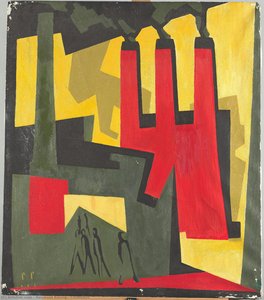
reinhold rossig
Germany
Quick Facts
- Artistic Movement Or Style: Graphite Pencil
- Date Of Death: Living
- Full Name: Reinhold Rossig
- Nationality: German
- Notable Artworks:
- Threatening
- The Threepenny Opera in the Komödienhaus
- Original 1931 graphite drawing
- Place Of Birth: Germany

