

 Preview
 Send
Send Share
Share
 Details

 Download
 Similars
 X-Ray
X-Ray Diaporama
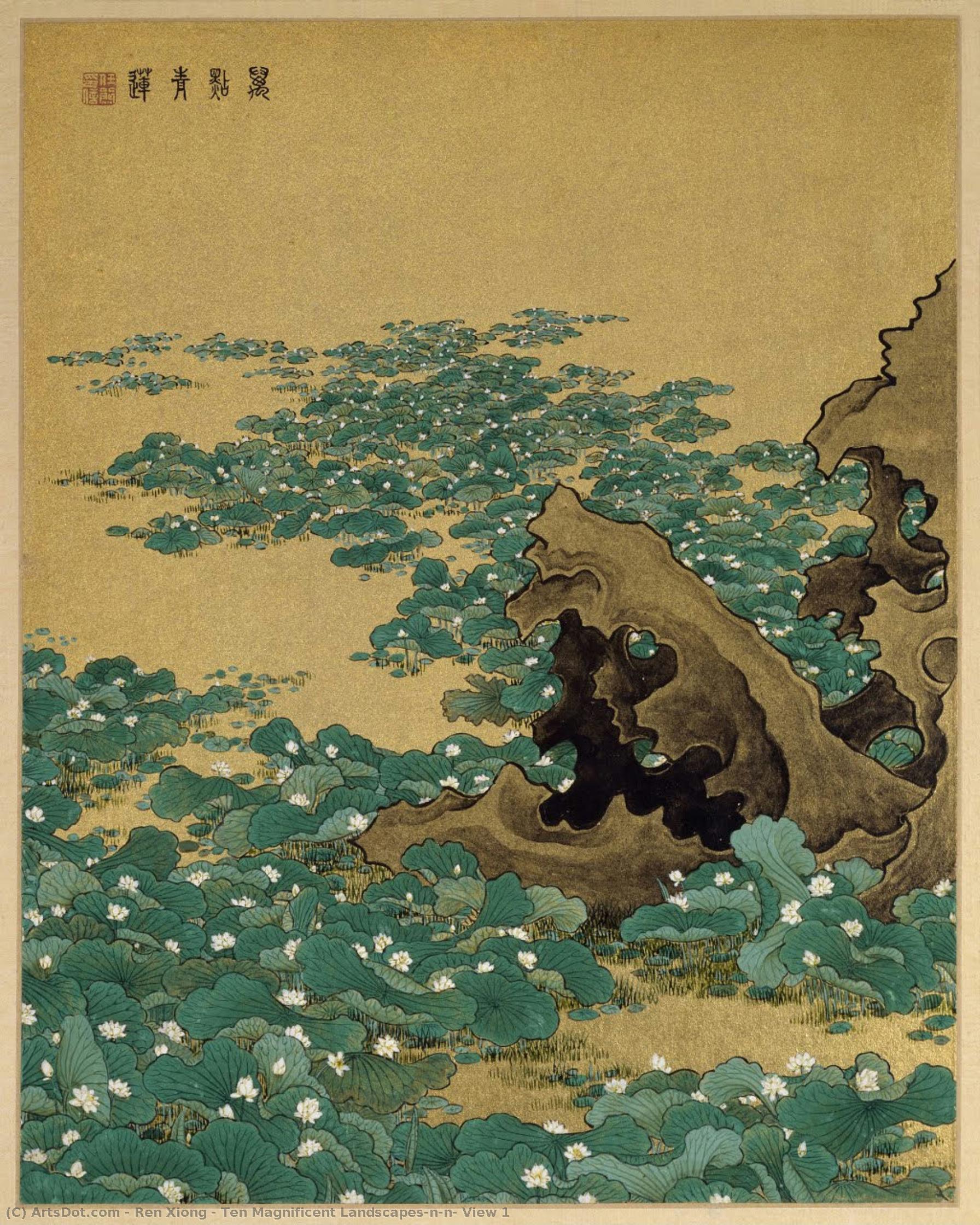
Ten Magnificent Landscapes\n\n- View 1
 Read More
Purchase a high-resolution, enhanced digital image, far superior to the online preview.
Each file is meticulously prepared by our in-house specialists using advanced tools and expert manual retouching. We ensure every image has exceptional clarity, precise color accuracy, and fine detail.
The final file is delivered via email within 72 hours, optimized for immediate use in professional, editorial, and print environments. This is the same quality trusted by top-tier design studios, publishers, and galleries.
Digital Image
Download a high-resolution file for personal display, printing, and creative projects. ( Buy Print Buy Hand Made Painting)
Included in Every Digital Image Order
Expert Digital Delivery, Guaranteed
When you choose ArtsDot.com, you're not just getting an image - you're receiving a professionally enhanced digital artwork, crafted with precision and backed by a satisfaction guarantee. Here's everything that comes with your order, automatically:

Fast Email Delivery
Your high-resolution digital image file will be emailed to you within 72 hours of ordering - ready for immediate use.

AI-Enhanced Digital File
Your artwork is professionally optimized using advanced AI tools and manual editing, ensuring maximum detail, clarity, and color accuracy.

Free Lifetime Re-Delivery
Accidentally deleted or lost your file? No worries - we'll resend it to you anytime, free of charge.

No Import Fees - Ever
Enjoy your artwork instantly with zero customs, duties, or delivery fees - digital downloads are always tax-free.

Color Accuracy Guarantee
We ensure your digital image reflects the original colors as closely as possible using professional tools and color management.

60-Day Satisfaction Guarantee
If you're not satisfied with your digital image, we'll revise it or refund 100% within 60 days - no questions asked.

100% Money-Back Guarantee
Not satisfied? Get a full refund within 60 days of receiving your digital file - no questions asked.

Bulk Order Discounts
Buy 3 images, save 10% - Buy 5, save 15% - Buy 10+, save 20%. Great for creative projects, galleries, and agencies.
Collectible Description
Related Artworks

Artist Biography
A Pioneer of the Shanghai School: The Life and Art of Ren Xiong
Ren Xiong, born in Xiaoshan, Zhejiang province in 1823 and passing away in 1857, stands as a pivotal figure in the evolution of Chinese painting during the late Qing dynasty. He wasn’t merely an artist; he was a revolutionary force within the Shanghai School, challenging conventions and forging a new path that resonated deeply with the changing social landscape of his time. His relatively short life belies an astonishing output and lasting impact, marked by bold experimentation and a unique pictorial naturalism that continues to captivate art enthusiasts today. Ren’s story is one of relentless self-study, astute observation, and a willingness to embrace innovation while remaining deeply rooted in tradition. He emerged during a period of significant upheaval and transformation in China, as the country grappled with internal strife and increasing Western influence. This context profoundly shaped his artistic vision and fueled his desire to create art that was both relevant and compelling.Early Life and Artistic Formation
Ren Xiong’s early life provided a solid foundation for his future endeavors. He initially pursued a career in officialdom, but quickly realized his true calling lay within the realm of painting. This decision led him on a journey of rigorous self-improvement. After leaving formal education, he embarked on an extensive period of travel, seeking opportunities to hone his skills and establish connections with fellow artists. A crucial early benefactor was Lu Yeshan, a townsman from Hangzhou who provided support and introductions within the artistic community. Ren’s dedication to mastering traditional techniques was unwavering; he meticulously copied stone engravings of the Sixteen Arhats at Shengyin Temple on Gushan Island, demonstrating an exceptional commitment to foundational skills. However, his pursuit wasn't limited to mere replication. He sought to understand the underlying principles and expressive power of these classical works. A particularly formative period came during eight years spent at Fanhu Cottage under the patronage of Zhou Xian. Here, he immersed himself in the study of masterpieces from past dynasties, relentlessly copying them until he could not only match their technical brilliance but also imbue them with his own unique sensibility. Later, Yao Xie’s extensive collection of Song, Yuan, Ming, and Qing paintings provided further inspiration, leading to the creation of 120 works based on Yao's poetry – a testament to Ren’s ability to translate literary themes into visual form.The Development of a Distinctive Style
Ren Xiong’s artistic prowess spanned a diverse range of genres—figure painting, flowers-and-birds, and landscapes—executed in both meticulous (gongbi) and freehand (xieyi) styles. Yet, it was his figure paintings that garnered him the most acclaim. While deeply influenced by Chen Hongshou, Ren didn’t simply imitate his predecessor; he developed a style characterized by fresh, lively brushwork, quiet elegance, and a subtle decorative quality. His landscapes, too, were innovative, reflecting a keen observation of nature combined with a sophisticated understanding of spatial composition and atmospheric perspective. What truly set Ren Xiong apart was his embrace of “pictorial naturalism.” Scholars suggest this wasn’t merely an adoption of Western techniques but rather a result of exposure to the burgeoning art of photography. The realism in his work, particularly in portraiture, hinted at a new way of seeing and representing the world—a departure from traditional idealized forms. This approach resonated with a growing audience eager for more lifelike depictions, marking a significant shift in Chinese painting aesthetics. His self-portrait, painted around 1850, exemplifies this quality; he gazes directly at the viewer with an almost confrontational intensity, presenting himself as a modern individual rather than adhering to conventional portrayals of scholars or officials.Legacy and Influence: The Four Rens
Ren Xiong’s impact extended far beyond his own artistic output. He is considered a founding leader of the Shanghai School, a group of artists who challenged academic orthodoxy and embraced a more accessible and commercially-oriented approach to painting. His success paved the way for other artists in the region, fostering a vibrant creative environment. Ren was part of a remarkable family of painters known as the “Four Rens,” which included his son Ren Yu, brother Ren Xun, and nephew Ren Yi. Together with Ren Xun and Ren Yi, they were celebrated as the “Three Rens of Shanghai”, solidifying their collective influence on the art world. His innovative techniques and willingness to adapt to changing market demands transformed the landscape of Chinese painting. He wasn’t just creating art; he was building a new model for artistic production and consumption. The paintings created during his patronage with Yao Xie, now housed in the Palace Museum, stand as enduring examples of his skill and sensitivity to the needs of his patrons. His legacy continues to inspire artists today, reminding them of the importance of both tradition and innovation in creating meaningful and impactful work.- Major Works: Self-Portrait, Album after Poems by Yao Xie, *The Examination Candidate*, Paintings inspired by Da Mei’s poems.
- Style Characteristics: Bold brushwork, pictorial naturalism, quiet elegance, decorative appeal, mastery of both meticulous and freehand techniques.
- Historical Significance: Founding leader of the Shanghai School, innovator in Chinese painting, bridged traditional aesthetics with modern sensibilities, influenced a generation of artists.
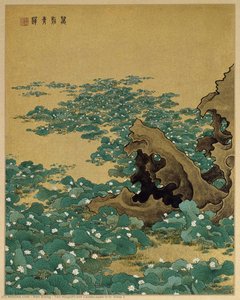
ren xiong
1823 - 1857
Quick Facts
- Artistic Movement Or Style: Shanghai School
- Artists Or Movements Influenced By This Artist:
- Shanghai School
- Modern Chinese painting
- Artists Who Influenced This Artist: ['Chen Hongshou']
- Date Of Birth: 1823
- Date Of Death: 1857
- Full Name: Ren Xiong
- Nationality: Chinese
- Notable Artworks:
- Pavilion in Enchanted Mountains
- Self-Portrait
- The Examination Candidate
- Place Of Birth: Xiaoshan, Zhejiang

