


 Preview
 Send
Send Share
Share
 Details

 Download
 Similars
 X-Ray
X-Ray Diaporama
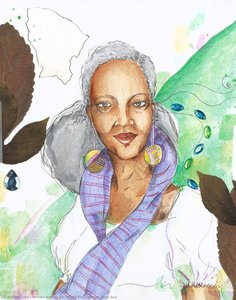
Tereza de Benguela


 Read More
Purchase a high-resolution, enhanced digital image, far superior to the online preview.
Each file is meticulously prepared by our in-house specialists using advanced tools and expert manual retouching. We ensure every image has exceptional clarity, precise color accuracy, and fine detail.
The final file is delivered via email within 72 hours, optimized for immediate use in professional, editorial, and print environments. This is the same quality trusted by top-tier design studios, publishers, and galleries.
Digital Image
Download a high-resolution file for personal display, printing, and creative projects. ( Buy Print Buy Hand Made Painting)
Included in Every Digital Image Order
Expert Digital Delivery, Guaranteed
When you choose ArtsDot.com, you're not just getting an image - you're receiving a professionally enhanced digital artwork, crafted with precision and backed by a satisfaction guarantee. Here's everything that comes with your order, automatically:

Fast Email Delivery
Your high-resolution digital image file will be emailed to you within 72 hours of ordering - ready for immediate use.

AI-Enhanced Digital File
Your artwork is professionally optimized using advanced AI tools and manual editing, ensuring maximum detail, clarity, and color accuracy.

Free Lifetime Re-Delivery
Accidentally deleted or lost your file? No worries - we'll resend it to you anytime, free of charge.

No Import Fees - Ever
Enjoy your artwork instantly with zero customs, duties, or delivery fees - digital downloads are always tax-free.

Color Accuracy Guarantee
We ensure your digital image reflects the original colors as closely as possible using professional tools and color management.

60-Day Satisfaction Guarantee
If you're not satisfied with your digital image, we'll revise it or refund 100% within 60 days - no questions asked.

100% Money-Back Guarantee
Not satisfied? Get a full refund within 60 days of receiving your digital file - no questions asked.

Bulk Order Discounts
Buy 3 images, save 10% - Buy 5, save 15% - Buy 10+, save 20%. Great for creative projects, galleries, and agencies.
Collectible Description
A Vision of Resilience: Exploring Tereza de Benguela
This evocative painting transports us to a moment steeped in profound history and untold struggle. Depicting the figure associated with Tereza de Benguela, the artwork invites contemplation on themes of freedom, resistance, and the enduring spirit of humanity against overwhelming odds. The subject matter itself is deeply rooted in Brazilian history, recalling the life of an enslaved African woman who became a pivotal figure in the *quilombos*, or self-sufficient settlements established by runaway slaves. Her story, one of flight, leadership, and ultimate tragedy, imbues this canvas with a palpable weight of historical significance.
Symbolism and Iconography
The visual elements within the painting are rich with symbolic resonance. The central figure, adorned in what appears to be a vibrant, colorful dress, commands attention, suggesting a regal bearing despite the harsh realities she faced. Her painted face and elaborate necklace speak to a cultural identity that refuses to be erased. Notice the surrounding details: the potted plants flanking her presence offer a fragile touch of cultivated life against a backdrop hinting at confinement or structured time, emphasized by the three visible clocks. These temporal markers—one high above, two lower down—might symbolize the relentless passage of time, the moments suspended in memory, or perhaps the cyclical nature of oppression and resistance. The red carpet beneath her feet adds an unexpected layer of ceremony, elevating her status to that of a queen within her own narrative.
Artistic Technique and Style
Executed by Renata Aparecida Felinto dos Santos, this piece showcases a masterful blend of figurative painting with elements bordering on the allegorical. The technique appears highly detailed, allowing for both rich color saturation in the garments and subtle, almost ethereal rendering in the background elements. While the subject matter is historical documentation, the execution elevates it into fine art. The style manages to feel simultaneously ethnographic—like a portrait drawn from deep cultural memory—and deeply romanticized, making it suitable for spaces that appreciate narrative depth alongside aesthetic beauty.
Emotional Resonance and Interior Placement
To gaze upon this painting is to connect with a powerful current of resilience. It speaks not only of the physical struggle of survival but of the enduring power of community and self-determination embodied by the *quilombo* life. For collectors, it offers a piece that transcends mere decoration; it is a narrative anchor for any space. In an interior setting, this artwork would serve as a profound focal point—perhaps in a grand hall or a study—where its vibrant colors can inject energy while its subject matter encourages thoughtful dialogue about history, freedom, and the dignity of the human spirit.
Related Artworks


Artist Biography
Jean-Michel Basquiat: A Life Painted in Rebellion and Brilliance
Born December 22, 1960, in the vibrant heart of New York City’s Lower East Side, Jean-Michel Basquiat emerged from a complex tapestry of Haitian and Puerto Rican heritage. His early life was shaped by a profound sense of displacement and racial identity—themes that would become recurring motifs throughout his intensely personal and politically charged art. He initially began his artistic journey as Samùel (“SAMO”) alongside Al Diaz, adopting the moniker “Basquiat” later in 1976. Together they embarked on an audacious campaign of tagging subway cars with cryptic epigrams—a bold act of urban intervention that quickly gained notoriety and established them as key figures in the burgeoning street art scene of the late 1970s.
This early period, fueled by a potent mix of punk rock energy, hip-hop culture, and social commentary, laid the groundwork for Basquiat’s distinctive style. His graffiti roots informed his later work with its raw energy, layered imagery, and deliberate use of text. He quickly moved beyond mere tagging, transitioning to canvases that explored themes of race, class, power, and identity—subjects deeply intertwined with his own experiences and observations of the world around him. Influenced by artists like Picasso, Warhol, and the German Expressionists, Basquiat developed a unique visual language characterized by fragmented figures, bold colors, and a potent blend of abstraction and figuration.
- Key Early Works: “Irony of Negro Policeman” (1981), “Skull of Doom” (1981), and “Untitled” (1982) – these pieces demonstrated his evolving style, incorporating elements of social critique alongside a growing interest in portraiture and symbolism.
- The Rise to Prominence: Basquiat’s work gained significant attention through gallery exhibitions and inclusion in prestigious events like the 1982 Whitney Biennial, catapulting him into the international art scene at an astonishingly young age.
A Collision of Cultures and Concepts
Basquiat's artistic vision was profoundly shaped by his multifaceted background. His Haitian heritage instilled in him a deep awareness of historical injustices and systemic inequalities, which he frequently addressed through his art. He drew inspiration from the writings of Frantz Fanon and other critical theorists, incorporating elements of psychoanalysis and Marxist ideology into his work. The influence of hip-hop culture—its rhythms, language, and ethos of rebellion—is palpable in his use of text, collage techniques, and a confrontational approach to representation.
His art wasn’t simply about depicting reality; it was an interrogation of reality itself. He frequently juxtaposed seemingly disparate elements – historical figures with contemporary symbols, portraits with fragmented narratives, and personal experiences with broader social issues. This deliberate layering created a complex and often unsettling dialogue between the viewer and the artwork, inviting them to actively engage in the process of interpretation.
The Techniques of a Revolutionary Artist
Basquiat’s artistic practice was characterized by a remarkable versatility and experimentation. He employed a wide range of techniques, including painting, drawing, collage, assemblage, and sculpture. His canvases were often layered with paint, marker, and found objects—creating textured surfaces that invited tactile exploration. He frequently incorporated text into his work, using both words and symbols to convey meaning and disrupt traditional notions of authorship.
- Collage and Assemblage: Basquiat’s use of collage and assemblage techniques allowed him to incorporate a diverse range of materials—newspaper clippings, photographs, maps, and ephemera—into his paintings, creating layered narratives that reflected the fragmented nature of contemporary experience.
- The Power of Text: He frequently employed text as an integral part of his artwork, using words and symbols to challenge conventional representations and expose underlying social and political issues.
Legacy and a Tragic End
Despite his tragically short life—he died August 12, 1988, at the age of 27 from a heroin overdose—Jean-Michel Basquiat left an indelible mark on the art world. His work continues to be celebrated for its raw energy, intellectual depth, and unflinching exploration of complex social issues. He is considered one of the most important artists of his generation, and his influence can be seen in countless contemporary artists who continue to grapple with themes of identity, race, and power.
His retrospective at the Whitney Museum of American Art in 1992 cemented his place as a major figure in art history. Today, Basquiat’s paintings command staggering prices at auction, reflecting both their artistic merit and their cultural significance. His legacy serves as a powerful reminder of the transformative potential of art to challenge conventions, provoke dialogue, and illuminate the complexities of the human experience.
renata aparecida felinto dos santos
1978 - , Brazil
Quick Facts
- Artistic Movement Or Style: Neo-expressionism
- Artists Or Movements Influenced By This Artist:
- Graffiti art
- Street art
- Hip-hop culture
- Artists Who Influenced This Artist:
- Pichon
- Pollock
- Dubois
- Date Of Birth: December 22, 1960
- Date Of Death: August 12, 1988
- Full Name: Jean-Michel Basquiat
- Nationality: American
- Notable Artworks:
- Irony of Negro Policeman
- Skull of Doom
- Untitled (1982 Basquiat skull painting)
- Boy and Dog in a Johnnypump
- Place Of Birth: New York City, U.S.

