

 Preview
 Send
Send Share
Share
 Details

 Download
 Similars
 X-Ray
X-Ray Diaporama
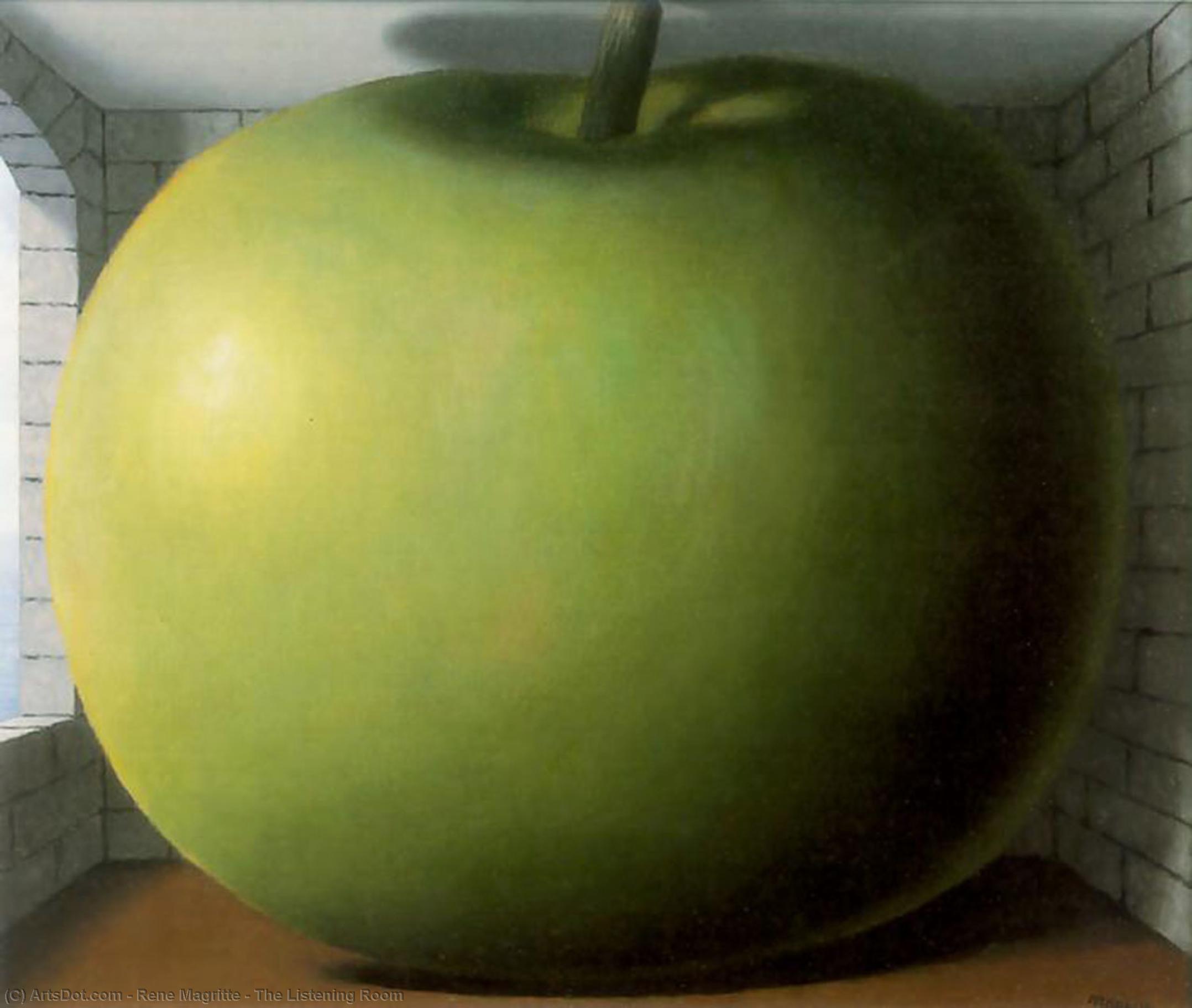
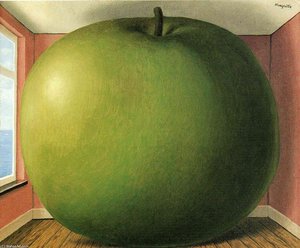
The Listening Room


 Read More
Purchase a high-resolution, enhanced digital image, far superior to the online preview.
Each file is meticulously prepared by our in-house specialists using advanced tools and expert manual retouching. We ensure every image has exceptional clarity, precise color accuracy, and fine detail.
The final file is delivered via email within 72 hours, optimized for immediate use in professional, editorial, and print environments. This is the same quality trusted by top-tier design studios, publishers, and galleries.
Digital Image
Download a high-resolution file for personal display, printing, and creative projects. ( Buy Print Buy Hand Made Painting)
Included in Every Digital Image Order
Expert Digital Delivery, Guaranteed
When you choose ArtsDot.com, you're not just getting an image - you're receiving a professionally enhanced digital artwork, crafted with precision and backed by a satisfaction guarantee. Here's everything that comes with your order, automatically:

Fast Email Delivery
Your high-resolution digital image file will be emailed to you within 72 hours of ordering - ready for immediate use.

AI-Enhanced Digital File
Your artwork is professionally optimized using advanced AI tools and manual editing, ensuring maximum detail, clarity, and color accuracy.

Free Lifetime Re-Delivery
Accidentally deleted or lost your file? No worries - we'll resend it to you anytime, free of charge.

No Import Fees - Ever
Enjoy your artwork instantly with zero customs, duties, or delivery fees - digital downloads are always tax-free.

Color Accuracy Guarantee
We ensure your digital image reflects the original colors as closely as possible using professional tools and color management.

60-Day Satisfaction Guarantee
If you're not satisfied with your digital image, we'll revise it or refund 100% within 60 days - no questions asked.

100% Money-Back Guarantee
Not satisfied? Get a full refund within 60 days of receiving your digital file - no questions asked.

Bulk Order Discounts
Buy 3 images, save 10% - Buy 5, save 15% - Buy 10+, save 20%. Great for creative projects, galleries, and agencies.
Collectible Description
A Weightless Wonder: Exploring René Magritte’s “The Listening Room”
René Magritte's "The Listening Room," painted around 1964, is not merely a depiction of an apple; it’s a meticulously crafted meditation on perception, reality, and the unsettling nature of the familiar. This captivating work, rendered with Magritte’s signature blend of meticulous detail and surreal juxtaposition, invites viewers into a space where logic dissolves and the subconscious takes hold. The painting's power lies in its deceptively simple subject – an apple suspended in mid-air within a stone-walled room – yet it resonates with profound questions about representation and our relationship to the world around us.
- Subject Matter: The central focus is, of course, the apple. Its realistic depiction, complete with subtle variations in color and texture—the vibrant green punctuated by earthy brown spots—immediately grounds the image in a tangible reality. However, its levitation defies gravity, transforming it into an object of contemplation rather than simple observation.
- Composition: The room itself is equally significant. The stone walls, illuminated by two windows that offer glimpses of an indeterminate exterior, create a sense of enclosure and isolation. This confined space amplifies the apple’s surreal presence, intensifying the feeling of displacement and questioning established norms.
The Surrealist Palette: Technique and Style
Magritte was a master of technique, employing a precise and almost photographic realism to render his surreal visions. He meticulously layered oil paints, building up textures and tones with painstaking detail – evident in the rough surface of the stone walls and the delicate skin of the apple. This hyperrealism is deliberately employed to heighten the unsettling effect; the more convincingly rendered the scene, the greater the sense of incongruity. The use of muted colors—primarily greens, browns, and grays—contributes to the painting’s somber and contemplative mood. His brushwork is almost invisible, creating a smooth, polished surface that further emphasizes the object's unnatural suspension.
Symbolism and the Weight of Memory
The apple itself has long been a potent symbol in Western art and culture, representing temptation, knowledge, and immortality. Within Magritte’s work, its floating state suggests a detachment from earthly concerns, inviting viewers to consider abstract ideas and philosophical questions. The recurring motif of his mother's suicide, subtly present through the veiled figure, adds another layer of complexity. The room itself can be interpreted as a psychological space—a contained environment reflecting internal states of uncertainty and introspection. It echoes themes explored in Magritte’s earlier work, particularly those influenced by his traumatic childhood experience.
Emotional Resonance and Artistic Legacy
"The Listening Room" is more than just a beautiful image; it's an invitation to engage with the fundamental questions about how we perceive reality. The painting evokes a sense of quiet contemplation, prompting viewers to consider the limitations of their own understanding. Magritte’s work continues to resonate today, demonstrating his enduring influence on art and design. A hand-painted reproduction of “The Listening Room” offers an exceptional opportunity to bring this iconic piece into your home or office, transforming any space into a sanctuary for reflection and artistic appreciation.
Related Artworks

Artist Biography
Early Life and the Seeds of Surrealism
René Magritte, born René François Ghislain Magritte on November 21, 1898, in Lessines, Belgium, emerged into a world that would profoundly shape his enigmatic artistic vision. His early years were marked by an unsettling event – the suicide of his mother when he was just thirteen. The image of her body being recovered from the River Sambre, with her dress obscuring her face, became a haunting motif that would subtly permeate his later work, manifesting in veiled figures and a persistent exploration of hidden realities. This early trauma instilled within him a fascination with mystery, loss, and the unsettling power of what remains unseen. While details of his childhood remain somewhat elusive, it’s clear this formative experience laid the groundwork for his lifelong questioning of perception and representation. He began drawing lessons at age ten, revealing an innate inclination towards visual expression, but initially explored Impressionism before embarking on a path that would lead him to become one of the most significant figures in Surrealist art.
Artistic Development and Influences
Magritte’s artistic journey was not immediate or straightforward. He studied at the Académie Royale des Beaux-Arts in Brussels, yet found its traditional methods stifling. His early work experimented with Futurism and Cubism, absorbing elements of these avant-garde movements but ultimately rejecting their purely formal concerns. It wasn't until encountering Giorgio de Chirico’s painting *The Song of Love* in 1922 that Magritte discovered a resonance that would irrevocably alter his artistic course. De Chirico’s dreamlike landscapes and unsettling juxtapositions unlocked within Magritte a new way of seeing – a world where the familiar could be rendered strange, and the ordinary imbued with profound mystery. This encounter sparked his commitment to Surrealism, though he often maintained a unique distance from its more overtly psychological or automatic approaches. He preferred a meticulous, almost clinical precision in his painting, using realistic techniques to depict illogical scenarios.
The Heart of Surrealism: Challenging Reality
By 1926, Magritte had fully embraced the tenets of Surrealism, producing *Le Jockey Perdu (The Lost Jockey)*, widely considered his first truly surrealist work. However, his brand of Surrealism was distinct. He wasn’t interested in exploring the subconscious through free association or dream imagery in the manner of some of his contemporaries. Instead, Magritte sought to challenge viewers' perceptions of reality by presenting ordinary objects in unexpected contexts, forcing them to question their assumptions about the world around them. Iconic works like *The Treachery of Images (This is not a pipe)* (1929) brilliantly deconstructs the relationship between image and object, reminding us that a representation is never the thing itself. *Les Amants (The Lovers)* (1927-1928), with its shrouded figures, echoes the trauma of his mother’s death while simultaneously exploring themes of concealment and intimacy. *Time Transfixed* (1938) presents a locomotive bursting through a brick wall, disrupting our sense of space and time. And *The Human Condition* (1933), a canvas within a canvas, blurs the boundaries between representation and reality, prompting us to consider how we perceive and interpret the world.
Later Life, Recognition, and Enduring Legacy
Despite initial struggles for recognition, Magritte’s work gradually gained prominence, particularly in the United States with exhibitions in 1936 and later retrospective shows at the Museum of Modern Art (1965) and the Metropolitan Museum of Art (1992). He remained politically engaged throughout his life, advocating for artistic autonomy. He continued to refine his signature style, exploring themes of repetition, illusion, and the power of language in paintings that are both intellectually stimulating and visually arresting. Magritte died on August 15, 1967, leaving behind a body of work that continues to captivate and challenge audiences worldwide. His influence extends far beyond the realm of painting, impacting pop art, minimalist art, conceptual art, and even advertising and film. Today, his paintings are held in major museum collections around the globe, including the Musées royaux des beaux-arts de Belgique in Brussels, which houses the Magritte Museum – dedicated entirely to his work and boasting the world’s largest collection of his creations.
- Museum Collections: Musées royaux des beaux-arts de Belgique, Brussels; Magritte Museum.
Magritte's enduring legacy lies in his ability to make us see the familiar anew, to question our assumptions about reality, and to appreciate the power of art to provoke thought and inspire wonder. He wasn’t simply painting images; he was crafting visual paradoxes that continue to resonate with viewers decades after their creation, solidifying his position as a true master of Surrealism and a pivotal figure in 20th-century art.
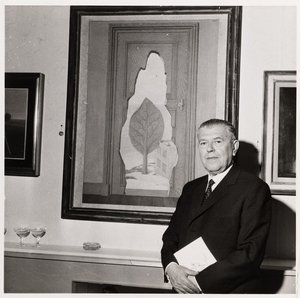
René Magritte
1898 - 1967 , Belgium
Quick Facts
- Artistic Movement Or Style: Surrealism
- Artists Or Movements Influenced By This Artist:
- Pop art
- Minimalist art
- Conceptual art
- Artists Who Influenced This Artist: ['Giorgio de Chirico']
- Date Of Birth: November 21, 1898
- Date Of Death: August 15, 1967
- Full Name: René François Ghislain Magritte
- Nationality: Belgian
- Notable Artworks:
- Les Amants
- The Treachery of Images
- Time Transfixed
- The Human Condition
- Place Of Birth: Lessines, Belgium

