

 Preview
 Send
Send Share
Share
 Details

 Download
 Similars
 X-Ray
X-Ray Diaporama
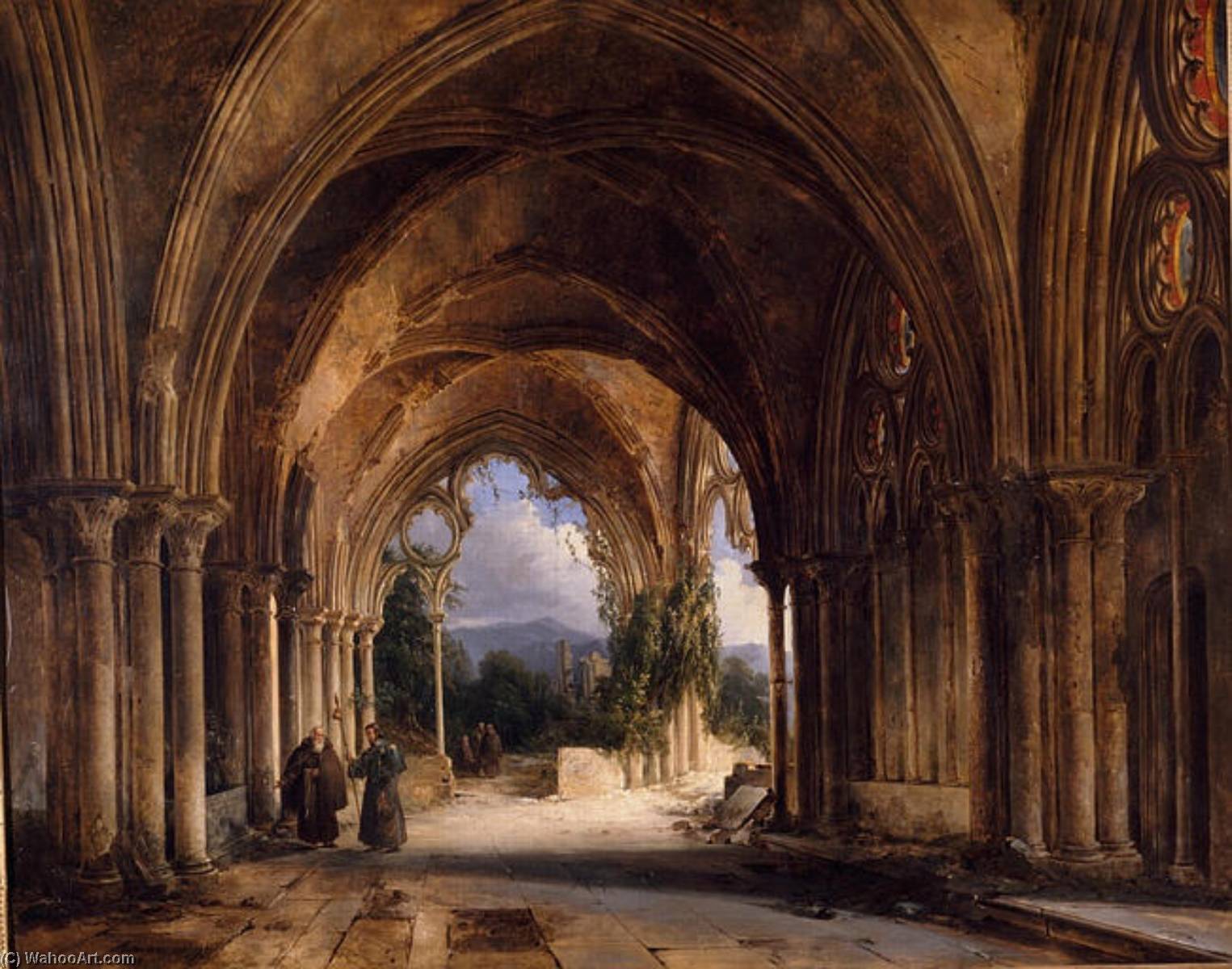
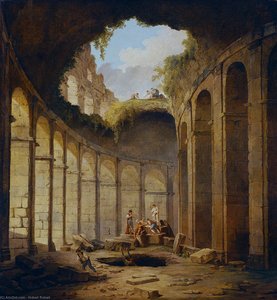
Moines dans une église gothique en ruines
 Read More
Purchase a high-resolution, enhanced digital image, far superior to the online preview.
Each file is meticulously prepared by our in-house specialists using advanced tools and expert manual retouching. We ensure every image has exceptional clarity, precise color accuracy, and fine detail.
The final file is delivered via email within 72 hours, optimized for immediate use in professional, editorial, and print environments. This is the same quality trusted by top-tier design studios, publishers, and galleries.
Digital Image
Download a high-resolution file for personal display, printing, and creative projects. ( Buy Print Buy Hand Made Painting)
Included in Every Digital Image Order
Expert Digital Delivery, Guaranteed
When you choose ArtsDot.com, you're not just getting an image - you're receiving a professionally enhanced digital artwork, crafted with precision and backed by a satisfaction guarantee. Here's everything that comes with your order, automatically:

Fast Email Delivery
Your high-resolution digital image file will be emailed to you within 72 hours of ordering - ready for immediate use.

AI-Enhanced Digital File
Your artwork is professionally optimized using advanced AI tools and manual editing, ensuring maximum detail, clarity, and color accuracy.

Free Lifetime Re-Delivery
Accidentally deleted or lost your file? No worries - we'll resend it to you anytime, free of charge.

No Import Fees - Ever
Enjoy your artwork instantly with zero customs, duties, or delivery fees - digital downloads are always tax-free.

Color Accuracy Guarantee
We ensure your digital image reflects the original colors as closely as possible using professional tools and color management.

60-Day Satisfaction Guarantee
If you're not satisfied with your digital image, we'll revise it or refund 100% within 60 days - no questions asked.

100% Money-Back Guarantee
Not satisfied? Get a full refund within 60 days of receiving your digital file - no questions asked.

Bulk Order Discounts
Buy 3 images, save 10% - Buy 5, save 15% - Buy 10+, save 20%. Great for creative projects, galleries, and agencies.
Related Artworks






Artist Biography
The Romantic Vision of Charles-Caïus Renoux
In the heart of nineteenth-century Paris, a period defined by both revolutionary upheaval and a profound longing for the past, Charles-Caïus Renoux emerged as a master of historical memory. Born in 1795, Renoux did not merely paint scenes; he resurrected eras. His artistic journey was deeply intertwined with the Romantic movement, a period that sought to find beauty in the melancholic decay of antiquity and the dramatic tension of human history. While much of his early life remains shrouded in the quiet shadows of history, his training at the prestigious École Royale Supimeure des Beaux-Arts provided him with the technical foundation necessary to translate grand historical narratives onto canvas with both precision and passion.
Renoux’s early career was marked by a poignant fascination with the architectural remnants of France. He found profound inspiration in the ruins of cloisters and monasteries—structures that had been ravaged during the French Revolution. Through his brush, these broken stones and hollowed arches were imbued with a spiritual weight, capturing the Troubadour style that would become his hallmark. His ability to render the solemn beauty of ruined churches allowed him to tap into a collective national nostalgia, making him a vital voice in an era obsessed with reclaiming its medieval heritage.
Mastery of Light and the Diorama
The technical brilliance of Renoux lay in his sophisticated use of atmospheric lighting and a muted, evocative palette. He possessed a rare ability to manipulate light to suggest the passage of time or the weight of a historical moment. This mastery was not limited to traditional oil painting; Renoux was also a skilled lithographer and illustrator, talents that allowed him to explore different textures and scales of storytelling. His work often balanced meticulous architectural detail with an emotional intensity that prioritized the "feeling" of a scene over mere photographic realism.
As his career progressed, Renoux pushed the boundaries of visual storytelling by venturing into the creation of spectacular dioramas. These large-scale, immersive works were essentially the "moving pictures" of his age, offering audiences a theatrical experience that blended painting with light and shadow to create an illusion of depth and motion. This transition from static canvas to dynamic spectacle demonstrated his evolution from a painter of ruins to a creator of entire worlds. His work in this medium was uniquely prepared by his earlier experiences painting large-scale battle scenes and landscapes, which taught him the complexities of compositional grandeur.
Legacy and Artistic Influence
The influence of Renoux can be traced through the lineage of French Romanticism, drawing strength from the expressive brushwork of Eugène Delacroix and the naturalistic sensibilities of Théodore Rousseau. He was a bridge between the classical traditions of the past and the burgeoning theatricality of the nineteenth century. His role as an educator at the École des Beaux-Arts further cemented his legacy, as he passed his technical expertise to notable students such as Narcisse Berable and Hector Hanoteau.
Renoux’s contributions to art can be summarized through several key pillars of his career:
- Historical Preservation: His paintings served as visual chronicles of medieval architecture, preserving the memory of structures lost to revolution.
- The Troubadour Aesthetic: He perfected a style that blended historical accuracy with romanticized, emotional narratives.
- Innovation in Media: Through his dioramas, he pioneered immersive, multi-sensory art forms that predated modern cinematic techniques.
- Educational Impact: As a professor, he helped shape the next generation of French painters, ensuring the continuity of classical and romantic techniques.
Though his life was relatively short, ending in 1846, Charles-Caïus Renoux left behind a body of work that continues to haunt and inspire. His ability to find life within ruins and drama within the stillness of a cloister ensures that his name remains etched in the annals of French art history, reminding us that even in decay, there is an enduring, magnificent beauty.
renoux charles caius
1795 - 1846
Quick Facts
- Artistic Movement Or Style: Romantic Troubadour Style
- Artists Who Influenced This Artist:
- Eugène Delacroix
- Caspar David Friedrich
- Date Of Birth: 1795
- Date Of Death: 1846
- Full Name: Charles Caius Renoux
- Nationality: French
- Notable Artworks:
- Siege de Luxembourg
- Mariage du Duc de Berry et de Caroline
- Traité conclu entre les Croises et les Venitiens dans l’Église de Saint Marc
- Place Of Birth: Paris, France

