 Preview
 Send
Send Share
Share
 Details

 Download
 Similars
 X-Ray
X-Ray Diaporama
 Stats
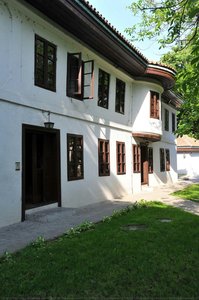
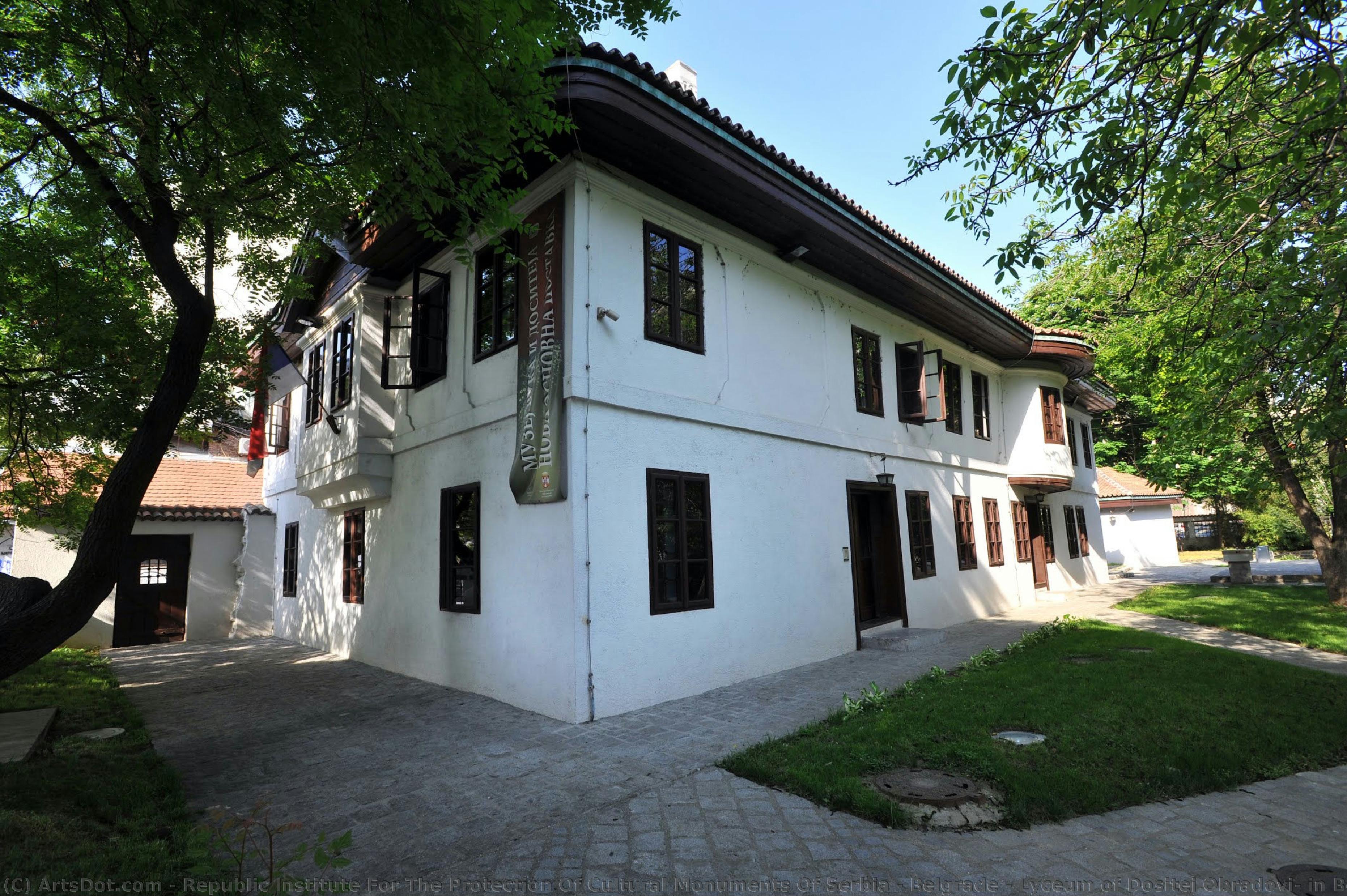
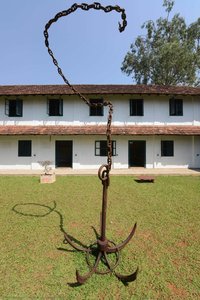
StatsLyceum of Dositej Obradović in Belgrade


 Read More
Purchase a high-resolution, enhanced digital image, far superior to the online preview.
Each file is meticulously prepared by our in-house specialists using advanced tools and expert manual retouching. We ensure every image has exceptional clarity, precise color accuracy, and fine detail.
The final file is delivered via email within 72 hours, optimized for immediate use in professional, editorial, and print environments. This is the same quality trusted by top-tier design studios, publishers, and galleries.
Digital Image
Download a high-resolution file for personal display, printing, and creative projects. ( Switch to Print Buy Hand Made Painting)
Included in Every Digital Image Order
Expert Digital Delivery, Guaranteed
When you choose ArtsDot.com, you're not just getting an image - you're receiving a professionally enhanced digital artwork, crafted with precision and backed by a satisfaction guarantee. Here's everything that comes with your order, automatically:

Fast Email Delivery
Your high-resolution digital image file will be emailed to you within 72 hours of ordering - ready for immediate use.

AI-Enhanced Digital File
Your artwork is professionally optimized using advanced AI tools and manual editing, ensuring maximum detail, clarity, and color accuracy.

Free Lifetime Re-Delivery
Accidentally deleted or lost your file? No worries - we'll resend it to you anytime, free of charge.

No Import Fees - Ever
Enjoy your artwork instantly with zero customs, duties, or delivery fees - digital downloads are always tax-free.

Color Accuracy Guarantee
We ensure your digital image reflects the original colors as closely as possible using professional tools and color management.

100-Day Satisfaction Guarantee
If you're not satisfied with your digital image, we'll revise it or refund 100% within 100 days - no questions asked.

100% Money-Back Guarantee
Not satisfied? Get a full refund within 100 days of receiving your digital file - no questions asked.

Bulk Order Discounts
Buy 3 images, save 10% - Buy 5, save 15% - Buy 10+, save 20%. Great for creative projects, galleries, and agencies.
Related Artworks







Artist Biography
Guardians of Heritage: The Republic Institute for the Protection of Cultural Monuments of Serbia
The Republic Institute for the Protection of Cultural Monuments of Serbia – Belgrade is not a single artist in the traditional sense, but rather an institution embodying decades of dedicated scholarship, preservation, and advocacy for the nation’s rich artistic and historical legacy. Its story is interwoven with the very fabric of Serbian cultural identity, reflecting periods of both flourishing creativity and devastating loss. Founded in 1947 as the Republic Institute for Protection of Cultural Monuments, it emerged from the post-World War II need to systematically document and safeguard a heritage profoundly impacted by conflict. The initial focus was understandably on restoration – rebuilding churches, monasteries, fortresses, and urban centers damaged during the war years. This early phase established a core ethos: that cultural monuments are not merely static objects but living witnesses to history, deserving of meticulous care and informed understanding.From Reconstruction to Scholarly Rigor
The Institute’s work quickly expanded beyond immediate repair. Recognizing that preservation demanded more than just physical reconstruction, a robust research department was established. Teams of archaeologists, art historians, architects, and conservators began the painstaking task of cataloging Serbia's cultural wealth – from prehistoric sites to Ottoman-era architecture, medieval frescoes to modern masterpieces. This shift marked a crucial development: the Institute evolved from a reactive body responding to damage into a proactive force shaping national narratives through rigorous scholarship. Early publications, often detailed site reports and architectural surveys, laid the groundwork for future generations of researchers. The Institute also played a pivotal role in establishing legal frameworks for heritage protection, advocating for legislation that defined cultural significance and regulated development near historical sites. This period saw the formal designation of numerous monuments as protected entities, ensuring their long-term preservation. The influence of international conservation methodologies – particularly those championed by UNESCO – became increasingly apparent during this time, fostering a commitment to best practices in restoration and documentation.Navigating Turbulent Times: Preservation Amidst Conflict
Throughout the latter half of the 20th century, and into the 21st, the Institute faced unprecedented challenges. The Balkan conflicts of the 1990s brought widespread destruction and looting, placing immense strain on its resources and expertise. The deliberate targeting of cultural heritage – churches, mosques, libraries, museums – became a tragic hallmark of the wars. The Institute’s staff worked tirelessly to document damage, salvage artifacts, and advocate for international intervention to protect vulnerable sites. This period demanded not only technical skill but also immense courage and diplomatic acumen. The post-conflict era brought new complexities: rebuilding trust between communities, addressing issues of contested heritage, and navigating the challenges of economic transition. The Institute played a crucial role in facilitating dialogue and promoting inclusive approaches to cultural preservation, recognizing that monuments often hold multiple layers of meaning for different groups.Contemporary Role and Future Directions
Today, the Republic Institute continues to serve as Serbia’s leading authority on cultural heritage. Its activities encompass a wide range of initiatives: archaeological excavations, architectural restoration projects, art historical research, conservation treatments, museum development, educational programs, and international collaborations.- The Institute actively participates in UNESCO World Heritage Site nominations
- It provides expert advice to local authorities on urban planning and heritage management.
- Digital documentation projects are increasingly prioritized, creating virtual reconstructions of lost monuments and making research accessible online.
- Public outreach programs aim to raise awareness about the importance of cultural preservation among younger generations.