- Home

- Oil Painting Reproduction
- Republic Institute For The Protection Of Cultural Monuments Of Serbia - Belgrade
 Preview
 Send
Send Share
Share
 Details

 Download
 Similars
 X-Ray
X-Ray Diaporama
 Stats
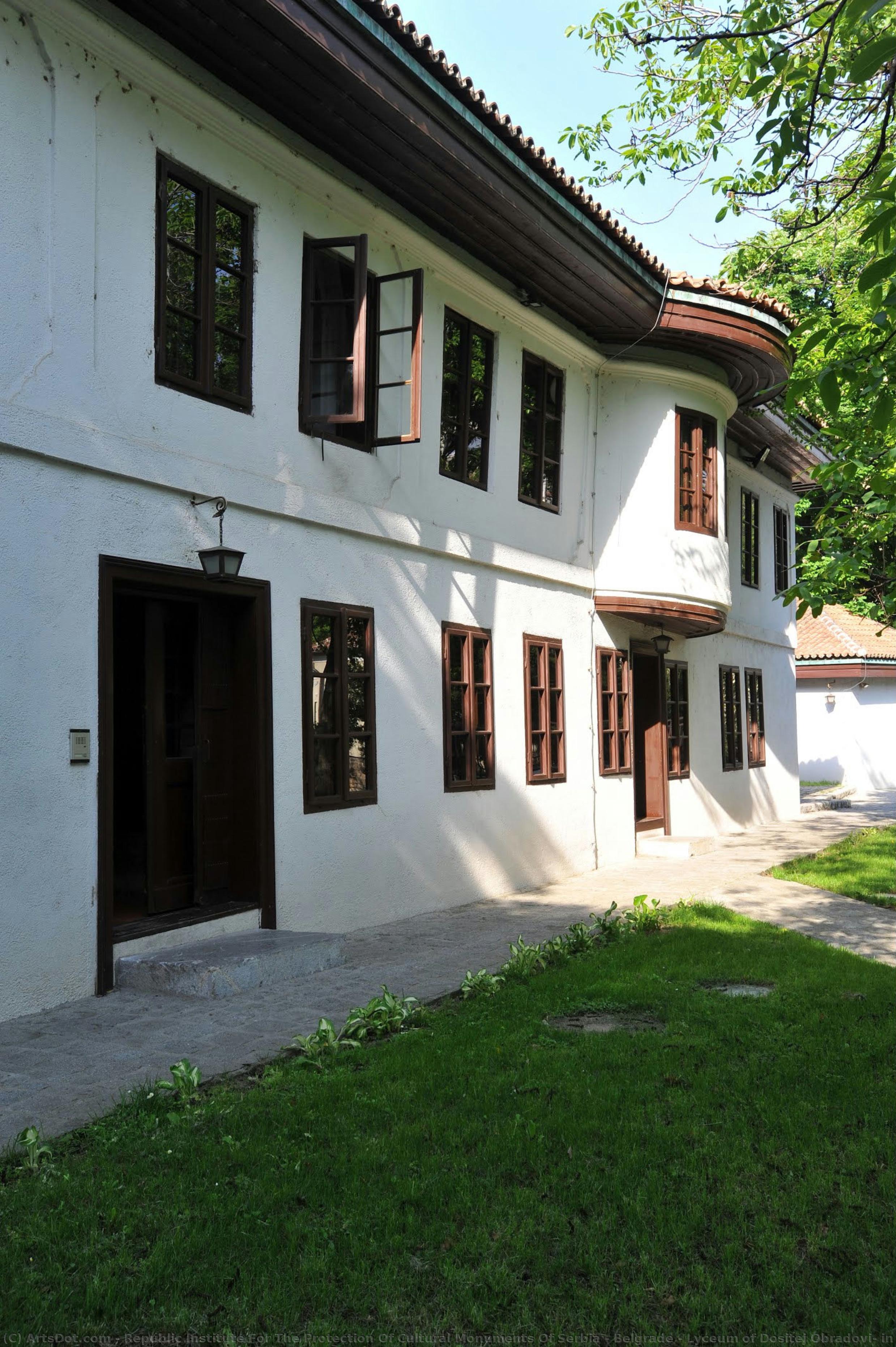
StatsLyceum of Dositej Obradović in Belgrade


 Read More
Hand Made Oil Reproduction
Hand-painted oil on canvas in your size and frame, made to order by our artists. ( Switch to Print Switch to Digital Image)




































Pick from our preset sizes that match the artwork's original proportions.

You may enter your own dimensions to fit a specific frame or space. If your selected size does not match the original image's proportions, we will either crop the artwork or extend the painting with additional hand-painted elements. A digital mockup will be sent for your approval before production begins.
Please note that the on-screen preview does not reflect the actual cropping or extension. Only the mockup will accurately show the final composition.
While custom sizes are available, we recommend selecting a dimension from the predefined list to preserve the original proportions.
After order, ArtsDot.com team will email client for instructions and provide a mockup preview
Worldwide Delivery () in 3/4 weeks instead of standard 5 weeks. (9 September). No compromise on quality.

Free Worldwide Express Shipping

High-Quality Linen Canvas

Full Shipping Insurance

Customs Tax Refund Guarantee

True Color Matching Guarantee

100-Day Return Policy (Defects Only)

100% Money-Back Guarantee

Bulk Discount Offer
 Glass option is only available in size under 110 CM

Lyceum of Dositej Obradović in Belgrade
Reproduction Medium
Reproduction Size
-


Total Price
$ 263
Related Artworks








Artist Biography
Guardians of Heritage: The Republic Institute for the Protection of Cultural Monuments of Serbia
The Republic Institute for the Protection of Cultural Monuments of Serbia – Belgrade is not a single artist in the traditional sense, but rather an institution embodying decades of dedicated scholarship, preservation, and advocacy for the nation’s rich artistic and historical legacy. Its story is interwoven with the very fabric of Serbian cultural identity, reflecting periods of both flourishing creativity and devastating loss. Founded in 1947 as the Republic Institute for Protection of Cultural Monuments, it emerged from the post-World War II need to systematically document and safeguard a heritage profoundly impacted by conflict. The initial focus was understandably on restoration – rebuilding churches, monasteries, fortresses, and urban centers damaged during the war years. This early phase established a core ethos: that cultural monuments are not merely static objects but living witnesses to history, deserving of meticulous care and informed understanding.From Reconstruction to Scholarly Rigor
The Institute’s work quickly expanded beyond immediate repair. Recognizing that preservation demanded more than just physical reconstruction, a robust research department was established. Teams of archaeologists, art historians, architects, and conservators began the painstaking task of cataloging Serbia's cultural wealth – from prehistoric sites to Ottoman-era architecture, medieval frescoes to modern masterpieces. This shift marked a crucial development: the Institute evolved from a reactive body responding to damage into a proactive force shaping national narratives through rigorous scholarship. Early publications, often detailed site reports and architectural surveys, laid the groundwork for future generations of researchers. The Institute also played a pivotal role in establishing legal frameworks for heritage protection, advocating for legislation that defined cultural significance and regulated development near historical sites. This period saw the formal designation of numerous monuments as protected entities, ensuring their long-term preservation. The influence of international conservation methodologies – particularly those championed by UNESCO – became increasingly apparent during this time, fostering a commitment to best practices in restoration and documentation.Navigating Turbulent Times: Preservation Amidst Conflict
Throughout the latter half of the 20th century, and into the 21st, the Institute faced unprecedented challenges. The Balkan conflicts of the 1990s brought widespread destruction and looting, placing immense strain on its resources and expertise. The deliberate targeting of cultural heritage – churches, mosques, libraries, museums – became a tragic hallmark of the wars. The Institute’s staff worked tirelessly to document damage, salvage artifacts, and advocate for international intervention to protect vulnerable sites. This period demanded not only technical skill but also immense courage and diplomatic acumen. The post-conflict era brought new complexities: rebuilding trust between communities, addressing issues of contested heritage, and navigating the challenges of economic transition. The Institute played a crucial role in facilitating dialogue and promoting inclusive approaches to cultural preservation, recognizing that monuments often hold multiple layers of meaning for different groups.Contemporary Role and Future Directions
Today, the Republic Institute continues to serve as Serbia’s leading authority on cultural heritage. Its activities encompass a wide range of initiatives: archaeological excavations, architectural restoration projects, art historical research, conservation treatments, museum development, educational programs, and international collaborations.- The Institute actively participates in UNESCO World Heritage Site nominations
- It provides expert advice to local authorities on urban planning and heritage management.
- Digital documentation projects are increasingly prioritized, creating virtual reconstructions of lost monuments and making research accessible online.
- Public outreach programs aim to raise awareness about the importance of cultural preservation among younger generations.