 Preview
 Send
Send Share
Share
 Details

 Download
 Similars
 X-Ray
X-Ray Diaporama
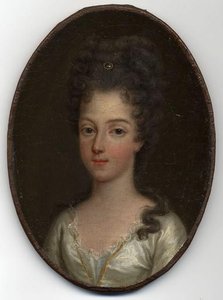
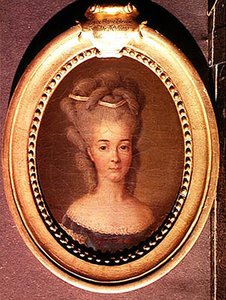
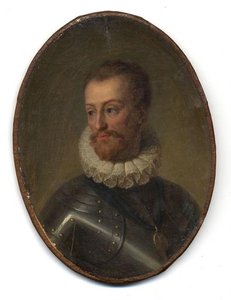
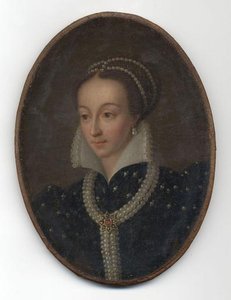
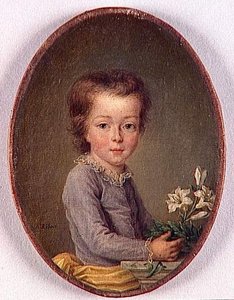
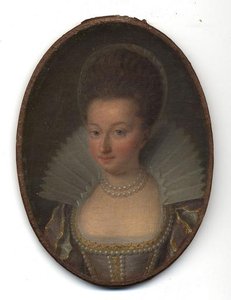
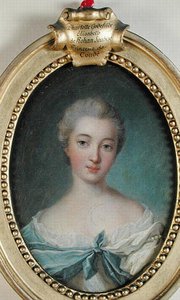
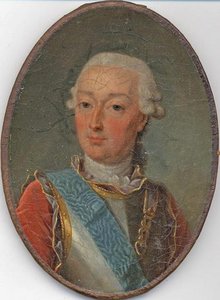
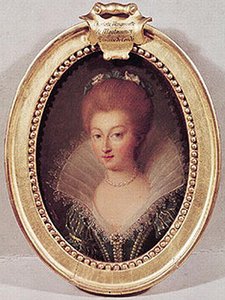
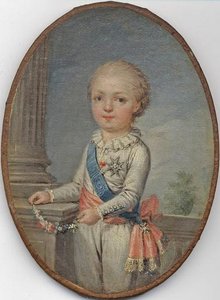
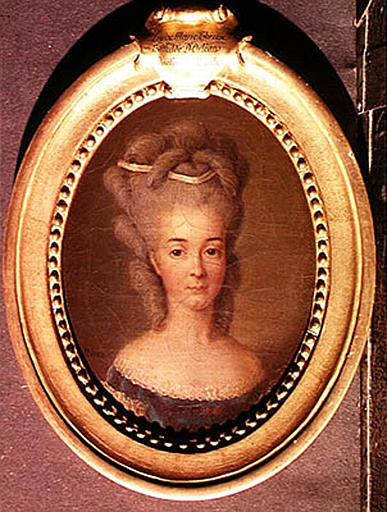
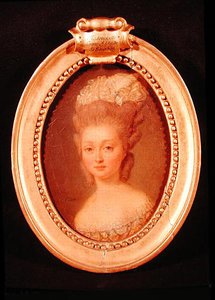
Portrait de Louise Marie Thérèse Bathilde d'Orléans, duchesse de Bourbon
 Read More
Hand Made Oil Reproduction
Hand-painted oil on canvas in your size and frame, made to order by our artists. ( Buy Print Buy Image)




































Pick from our preset sizes that match the artwork's original proportions.

You may enter your own dimensions to fit a specific frame or space. If your selected size does not match the original image's proportions, we will either crop the artwork or extend the painting with additional hand-painted elements. A digital mockup will be sent for your approval before production begins.
Please note that the on-screen preview does not reflect the actual cropping or extension. Only the mockup will accurately show the final composition.
While custom sizes are available, we recommend selecting a dimension from the predefined list to preserve the original proportions.
After order, ArtsDot.com team will email client for instructions and provide a mockup preview
Worldwide Delivery () in 3/4 weeks instead of standard 5 weeks. (25 August). No compromise on quality.

Free Worldwide Express Shipping

High-Quality Linen Canvas

Full Shipping Insurance

Customs Tax Refund Guarantee

True Color Matching Guarantee

60-Day Return Policy (Defects Only)

100% Money-Back Guarantee

Bulk Discount Offer
 Glass option is only available in size under 110 CM

Portrait de Louise Marie Thérèse Bathilde d'Orléans, duchesse de Bourbon
Reproduction Medium
Reproduction Size
-


Total Price
$ 263
Related Artworks



Artist Biography
The Dream Weaver: Jean-Marie Ribou and the Symbolist Portrait
Jean-Marie Ribou, a name perhaps less familiar than many of his contemporaries, nevertheless stands as a significant figure within the burgeoning world of 18th-century French art. Born in Bordeaux around 1744, Ribou’s career unfolded during a period of profound artistic transition—moving away from the rigid formality of the Rococo and tentatively embracing the nascent currents of Symbolism. While he did not fully align with the movement's later, more overtly emotional expressions, his work possessed a haunting beauty and psychological depth that foreshadowed its development, making him a crucial bridge between these two stylistic eras.
Ribou’s early training remains somewhat shrouded in mystery, though it is believed he received instruction within the workshop of Jean-Baptiste-Simon Sue, a prominent Parisian painter known for his portraits of royalty and nobility. This exposure to established techniques undoubtedly shaped Ribou’s foundational skills: meticulous detail, refined color palettes, and an understanding of formal composition. However, Ribou quickly distinguished himself through a subtle yet powerful approach to capturing the inner lives of his subjects. Unlike the often-superficial portrayals of wealth and status prevalent at the time, Ribou sought to reveal something deeper—a sense of melancholy, introspection, or quiet dignity. This was achieved not through overt dramatic gestures but through carefully observed nuances in expression, posture, and the subtle play of light and shadow.
Mastery of the Miniature and Aristocratic Elegance
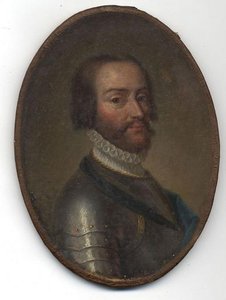
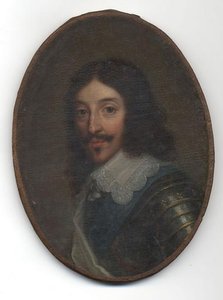
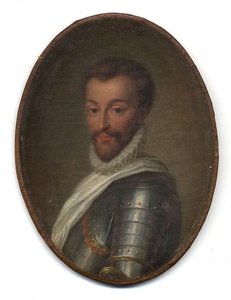
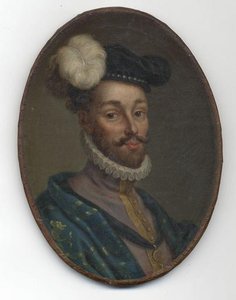
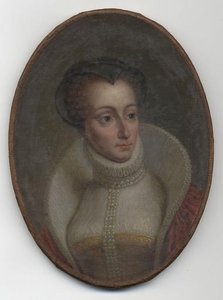
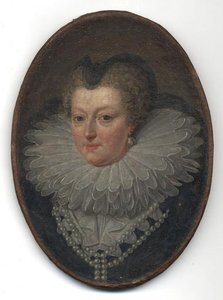
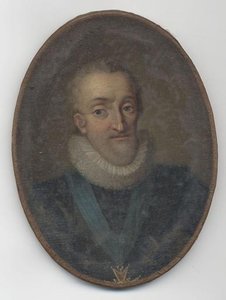
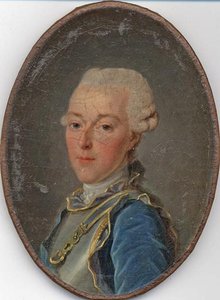
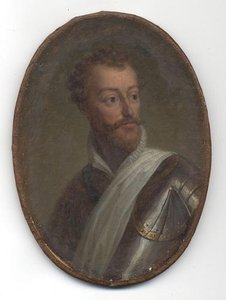
The legacy of Jean-Marie Ribou rests primarily in his exquisite portraiture, particularly his miniature paintings, which offered intimate glimpses into the lives of aristocratic families and individuals. His subjects were largely drawn from the upper echelons of French society—members of noble families like the Rohan, Condé, and Bourbon dynasties. He painted portraits of queens, princes, and princesses, capturing their beauty with a precision that felt both regal and deeply personal.
His technical prowess allowed him to navigate various stylistic nuances across his career:
- Rococo Elegance: In works such as his portrait of Charlotte Godefred Elisabeth de Rohan Soubise, he captured the delicate charm and refined beauty characteristic of the era.
- Symbolist Foreshadowing: His ability to infuse portraits with a dreamlike, psychological weight, seen in pieces like the Portrait de Charlotte Marguerite de Montmorency, hinted at the emotional complexities of future movements.
- Historical Depth: Even when depicting figures from earlier eras, such as his miniature of Anne d'Autriche, he maintained a sense of timelessness and aristocratic grace.
A Lasting Historical Significance
As the 18th century gave way to the 19th, Ribou’s work remained a testament to the transition of French identity. His ability to blend the meticulousness of the miniature tradition with an emerging interest in the human psyche ensured his place in the annals of art history. Though he passed away in 1817, his influence persists through the collections that house his delicate treasures, such as the Musée National Henner and the Musée Condé.
Ultimately, Jean-Marie Ribou was more than a mere chronicler of faces; he was an artist who understood that a portrait is not just a record of appearance, but a window into the soul. Through his mastery of light, shadow, and subtle expression, he transformed the small scale of the miniature into a vast landscape of human emotion, leaving behind a body of work that continues to captivate those drawn to the quiet mysteries of the past.
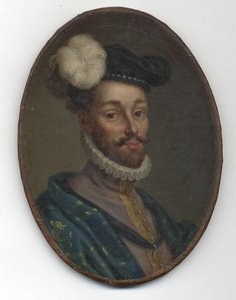
ribou jean marie
1744 - 1817
Quick Facts
- Artistic Movement Or Style: Symbolism
- Artists Or Movements Influenced By This Artist: ['Rococo']
- Artists Who Influenced This Artist: ['Jean-Marc Nattier']
- Date Of Birth: 1744
- Date Of Death: 1817
- Full Name: Jean-Marie Ribou
- Nationality: Alsatian
- Notable Artworks:
- Portrait de Charlotte Godefred Elisabeth de Rohan Soubise
- Portrait de Anne d’Autriche
- Portrait de Antoine de Bourbon
- Place Of Birth: Bordeaux, France