 Preview
 Send
Send Share
Share
 Details

 Download
 Similars
 X-Ray
X-Ray Diaporama
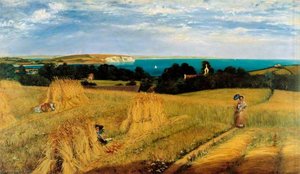
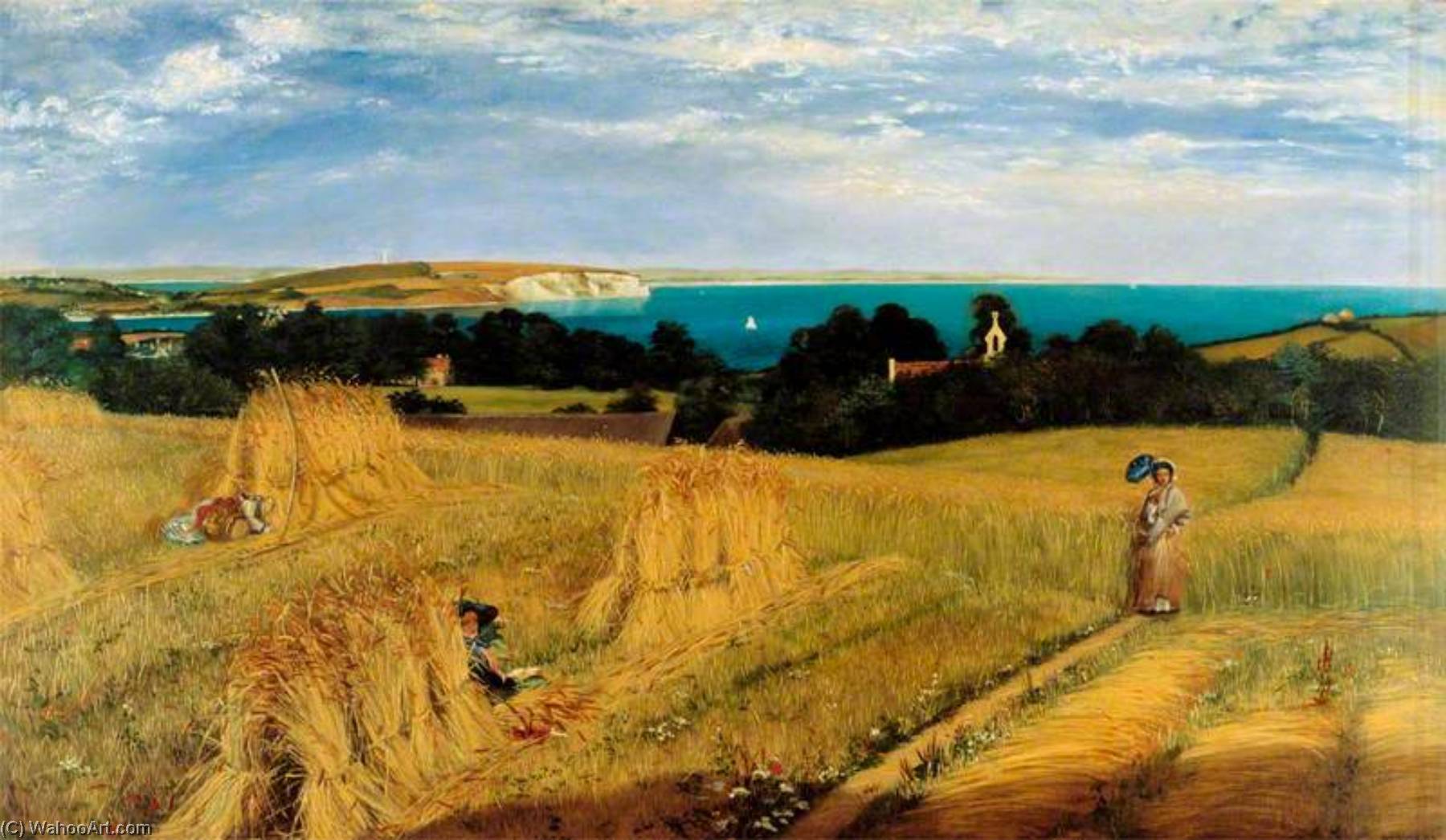
View across Sandown Bay, Isle of Wight
 1850
1850 34.0 x 57.0 cm
 Read More
Giclée / Art Print
Museum-quality giclée or canvas print with fast production and flexible finish options. ( Buy Hand Made Painting Buy Image)




































Pick from our preset sizes that match the artwork's original proportions.

You may enter your own dimensions to fit a specific frame or space. If your selected size does not match the original image's proportions, we will either crop the artwork or extend the image with a mirrored or solid-fill edge. A digital mockup will be sent for your approval before production begins.
Please note that the on-screen preview does not reflect the actual cropping or extension. Only the mockup will accurately show the final composition.
While custom sizes are available, we recommend selecting a dimension from the predefined list to preserve the original proportions.
Worldwide Delivery () in 2 weeks instead of standard 4/5 weeks. (29 August)

Free Worldwide Express Shipping

High-Quality Linen Canvas

Full Shipping Insurance

Customs Tax Refund Guarantee

True Color Matching Guarantee

60-Day Return Policy (Defects Only)

100% Money-Back Guarantee

Bulk Discount Offer
 Glass option is only available in size under 110 CM

View across Sandown Bay, Isle of Wight
Giclée / Art Print
Reproduction Size
-


Total Price
$ 63
Related Artworks



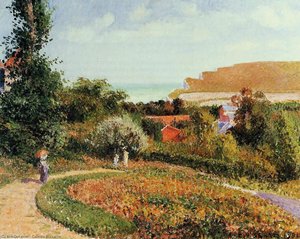
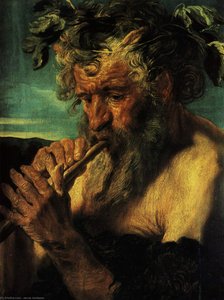

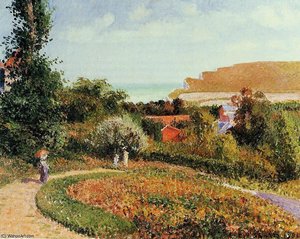
Artist Biography
The Visionary Architect of Victorian Artistry
In the vibrant tapestry of nineteenth-century British art, few figures loom as large in both the studio and the classroom as Richard Burchett. Born in Brighton on January 30, 1815, Burchett was a man whose life was defined by a rare duality: he was simultaneously a master of the brush and a revolutionary of the lecture hall. His journey began not in the gilded halls of elite academies, but within the industrious atmosphere of the London Mechanics Institute. This early immersion in a setting that bridged scientific observation with technical application would later become the cornerstone of his artistic philosophy, instilling in him a profound respect for the meticulous study of nature and the precision of draughtsmanship.
Burchett’s ascent into the heart of the British art establishment was marked by his transformative leadership at the Government School of Design, an institution that would eventually evolve into the prestigious Royal College of Art. For over two decades, as Headmaster, he did not merely manage a school; he steered a movement. He stood at the vanguard of a pedagogical revolution, advocating for a humanist approach that prioritized direct experience and the rigorous observation of the natural world. This period was not without its storms, however. In the mid-1s45s, Burchett emerged as a central figure in a spirited student protest against contemporary teaching methods, a controversy so significant it drew the attention of a Parliamentary Committee of Enquiry. Through such turbulence, he remained a steadfast champion of progressive ideals, ensuring that the next generation of artists was equipped with both technical mastery and intellectual depth.
A Legacy Written in Light and Line
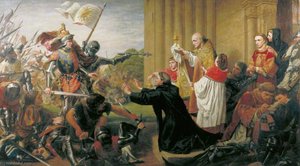
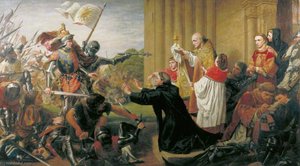
While his administrative influence shaped the very curriculum of British art education, Burchett’s personal artistic output remains a testament to his technical brilliance. His work often occupied the fascinating fringes of the Pre-Raphaelite movement, sharing their devotion to truth to nature while maintaining a distinctively classical and monumental sensibility. He was a painter of great ambition, frequently commissioned to execute large-scale history paintings for some of the most sacred and significant public spaces in Britain. His hand decorated parts of the Palace of Westminster and the Victoria and Albert Museum, with designs for intricate mosaics—such as those depicting historical figures like William of Wykeham—demonstrating his ability to marry narrative grandeur with decorative elegance.
Yet, beyond the monumental and the institutional, it is in the quiet, luminous observation of the landscape that Burchett’s soul truly shines. His masterpiece, “View Across Sandown Bay, Isle of Wight,” serves as a breathtaking window into his artistic essence. In this work, one finds the hallmark of his style: a delicate harmony of tones and an exquisite sensitivity to the shifting qualities of light and atmosphere. It is a painting that captures the sublime, inviting the viewer to lose themselves in the atmospheric depth of the English coast. This ability to translate the ephemeral beauty of the natural world into permanent, evocative oil on canvas remains his most enduring gift to the art historian.
The true measure of Burchett’s greatness, however, can perhaps be found in the illustrious lineage of students who passed through his tutelage. His classroom was a crucible for some of the most diverse and celebrated talents of the Victorian era, including:
- Kate Greenaway, whose whimsical illustrations would define an era of children's literature;
- Elizabeth Thompson (Lady Butler), a formidable painter of military scenes;
- Sir Luke Fildes and Sir George Clausen, masters of late Victorian realism;
- Evelyn De Morgan, a key figure in the Symbolist movement;
- And even Princess Louise, daughter of Queen Victoria, who found inspiration under his guidance.
Through these pupils, Burchett’s influence rippled across the decades, weaving his commitment to excellence into the very fabric of modern art. He remains a pivotal figure—a man who not only captured the light of his age but also illuminated the path for those who followed.
Quick Facts
- Artistic Movement Or Style: Pre-Raphaelite influence
- Artists Or Movements Influenced By This Artist: ['Victorian Art']
- Artists Who Influenced This Artist: ['John Ruskin']
- Date Of Birth: January 30, 1815
- Date Of Death: Living
- Full Name: Richard Burchett
- Nationality: British
- Notable Artworks:
- View across Sandown Bay
- Sanctuary
- William Torrel
- Place Of Birth: Brighton, England