 Preview
 Send
Send Share
Share
 Details

 Download
 Similars
 X-Ray
X-Ray Diaporama
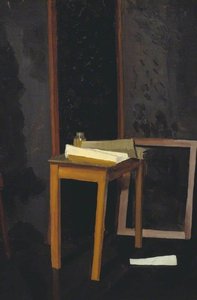
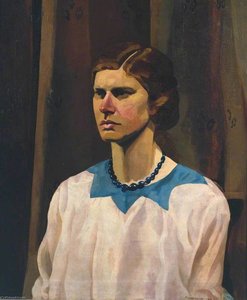
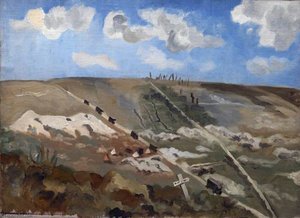
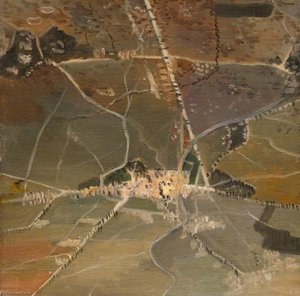
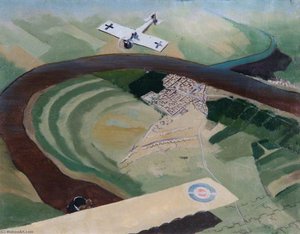
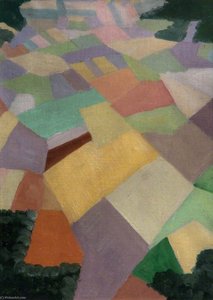
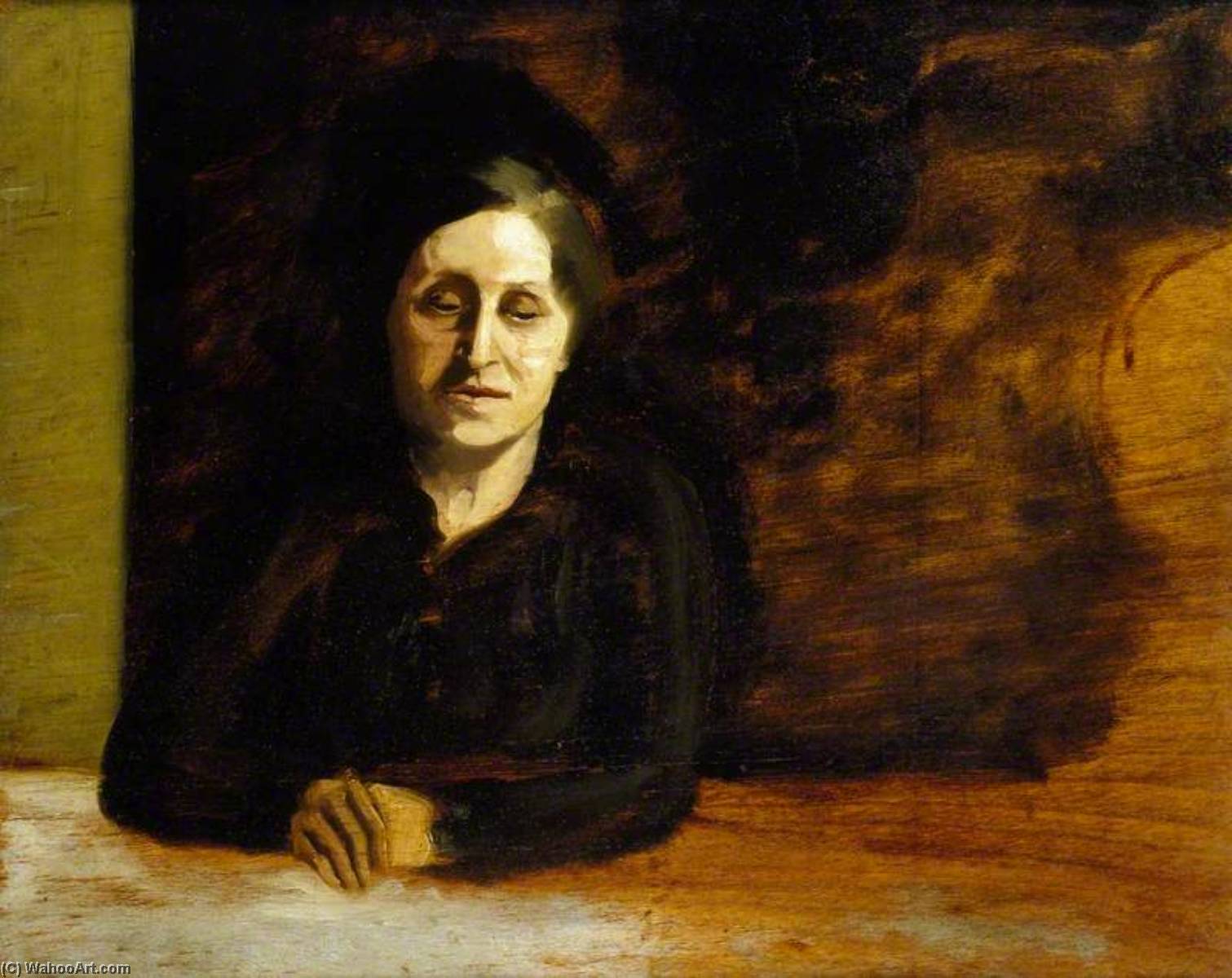
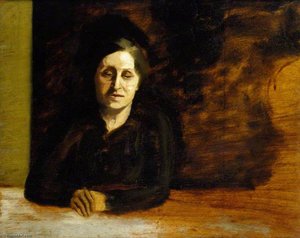
The Artist's Mother (verso)
 Impressionism
 1923
1923 36.0 x 43.0 cm
 The Ashmolean Museum of Art And Archaeology
 Read More
Giclée / Art Print
Museum-quality giclée or canvas print with fast production and flexible finish options. ( Buy Hand Made Painting Buy Image)




































Pick from our preset sizes that match the artwork's original proportions.

You may enter your own dimensions to fit a specific frame or space. If your selected size does not match the original image's proportions, we will either crop the artwork or extend the image with a mirrored or solid-fill edge. A digital mockup will be sent for your approval before production begins.
Please note that the on-screen preview does not reflect the actual cropping or extension. Only the mockup will accurately show the final composition.
While custom sizes are available, we recommend selecting a dimension from the predefined list to preserve the original proportions.
Worldwide Delivery () in 2 weeks instead of standard 4/5 weeks. (23 August)

Free Worldwide Express Shipping

High-Quality Linen Canvas

Full Shipping Insurance

Customs Tax Refund Guarantee

True Color Matching Guarantee

60-Day Return Policy (Defects Only)

100% Money-Back Guarantee

Bulk Discount Offer
 Glass option is only available in size under 110 CM

The Artist's Mother (verso)
Giclée / Art Print
Reproduction Size
-


Total Price
$ 63
Related Artworks

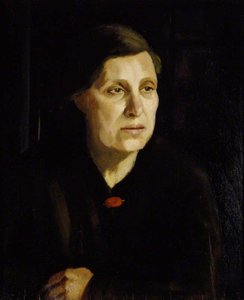
Artist Biography
A Vision from the Clouds: The Life and Legacy of Richard Carline
Richard Cotton Carline was an artist whose perspective was fundamentally reshaped by the dizzying heights of aerial combat and the profound weight of global conflict. Born in Oxford in 1896 into a family where the brushstroke was a shared language, he was part of a remarkable artistic lineage. His father, George Francis Carline, and his siblings, Sydney and Hilda, all navigated the complexities of visual expression, creating a domestic environment steeped in creativity. Carline’s early training, which took him from the Dragon School to the Académie de peinture à Paris under Percyval Tudor-Hart, provided him with a sophisticated foundation in Impressionism and Cubism. These stylistic seeds would later bloom in his work, allowing him to blend the raw, observational truth of war with a modern, structured aesthetic.
The trajectory of Carline’s life changed irrevocably with the outbreak of the First World War. Enlisting in the Middlesex Regiment before transferring to the Royal Flying Corps in 1917, he found himself positioned at a unique intersection of technology and art. While his initial duties involved wireless communications and the technical precision of developing aircraft camouflage, his true calling emerged through the lens of an official RFC artist. From his studio near Hampstead, he translated the panoramic, often terrifying vistas of the Western Front onto canvas. This period was not merely about documentation; it was an attempt to capture the human condition from a vantage point rarely seen by the civilian eye, turning the vast, impersonal sky into a deeply personal theater of war.
The Intersection of Modernism and Conflict
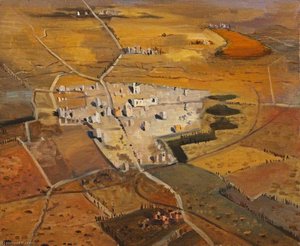
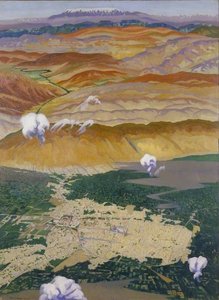
Carline’s artistic development is characterized by a fascinating tension between the visceral reality of his wartime experiences and the evolving language of early 20th-century modernism. His travels through the Middle East—spanning Palestine, Syria, India, and Iraq—expanded his visual vocabulary far beyond the trenches of Europe. In works such as Damascus & Lebanon Mountains from 10,000 Feet, one can observe a masterful use of warm tones and layered compositions that evoke the hazy, sun-drenched landscapes of the Levant through an impressionistic lens. His ability to marry the technical precision required by his engineering background with the fluid, emotive qualities of oil painting allowed him to create works that felt both structurally sound and spiritually resonant.
As his career progressed beyond the immediate aftermath of the Great War, Carline’s focus shifted from the aerial battlefield to a broader role as an influential arts administrator and advocate. His later years were marked by a deep commitment to diversifying the artistic landscape, where he championed voices that were often marginalized, including proponents of African art and naive art. This period of his life reflected a profound anti-fascist conviction and a desire to foster a more inclusive cultural dialogue. Even as his direct output as a painter was occasionally overshadowed by his administrative contributions, his influence remained pervasive through his work in local and international arts organizations.
A Lasting Impression on British Art
The significance of Richard Carline lies not only in the specific imagery he produced but in the way he bridged the gap between the traditional and the avant-garde. He remains a pivotal figure for his ability to document the mechanical and aerial realities of modern warfare while maintaining a connection to the intimate, psychological depths of portraiture and landscape. His legacy is intertwined with the very fabric of British modernism, representing a generation of artists who had to find meaning in a world transformed by industrial slaughter and rapid technological advancement.
To reflect on Carline’s contribution is to recognize several key pillars of his career:
- The Aerial Perspective: His pioneering role in capturing the unique, panoramic views of combat from the cockpit.
- Artistic Lineage: His place within a significant British artistic family that shaped much of the era's visual culture.
- Cultural Advocacy: His tireless work as an administrator to promote diverse and international artistic movements.
- Stylistic Synthesis: The seamless integration of Cubist structure and Impressionist light into the documentation of historical events.
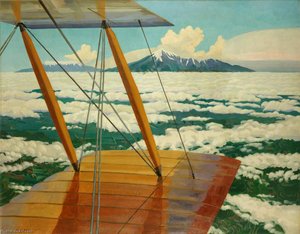
Through his eyes, we see a world caught in transition—a world seen from ten thousand feet, where the beauty of a mountain range and the grim reality of war exist in a single, breathtaking frame.
Richard Carline
1896 - 1980
Quick Facts
- Artistic Movement Or Style: Cubist influence
- Artists Or Movements Influenced By This Artist:
- African Art
- Naive Art
- Artists Who Influenced This Artist:
- George Francis Carline
- Percyval Tudor-Hart
- Date Of Birth: 1896
- Date Of Death: 1980
- Full Name: Richard Cotton Carline
- Nationality: British
- Notable Artworks:
- Damascus and the Lebanon Mountains from 10,000 Feet
- Baghdad
- Place Of Birth: Oxford, England
Related Articles

The Enduring Legacy of Oil on Canvas: Technique, History & Aesthetic Impact
Explore the rich history & techniques of oil painting – from Renaissance masters to Impressionism. Discover pigments, layering methods, and why this timeless medium endures. Expert insights for artists & art enthusiasts.

Oil on Canvas: A Historical & Technical Exploration of a Timeless Artistic Medium
Explore the rich history & enduring techniques of oil painting on canvas. Discover the science behind its longevity, conservation practices, and contemporary relevance. Expert insights for art enthusiasts.

The Enduring Legacy of Oil on Canvas: Technique, History & Contemporary Practice
Explore the rich history & enduring techniques of oil painting on canvas. Discover the science behind its longevity, conservation practices, and contemporary relevance. Expert insights for art enthusiasts.
Oil on Canvas Masters: 10 Paintings That Redefined Art History |
Journey through art history with our guide to 10 legendary oil on canvas masterpieces! Explore iconic works by Van Gogh, Monet & Rembrandt. Find museum-quality reproductions and elevate your home decor at . Discover all masterpieces online.
Oil on Board: A Historical Survey of Technique, Aesthetic Qualities & Enduring Appeal
Explore the rich history of oil on board painting! Discover techniques, aesthetic qualities & enduring appeal from early masters to modern practice. Expert insights for collectors and art enthusiasts.