

 Preview
 Send
Send Share
Share
 Details

 Download
 Similars
 X-Ray
X-Ray Diaporama
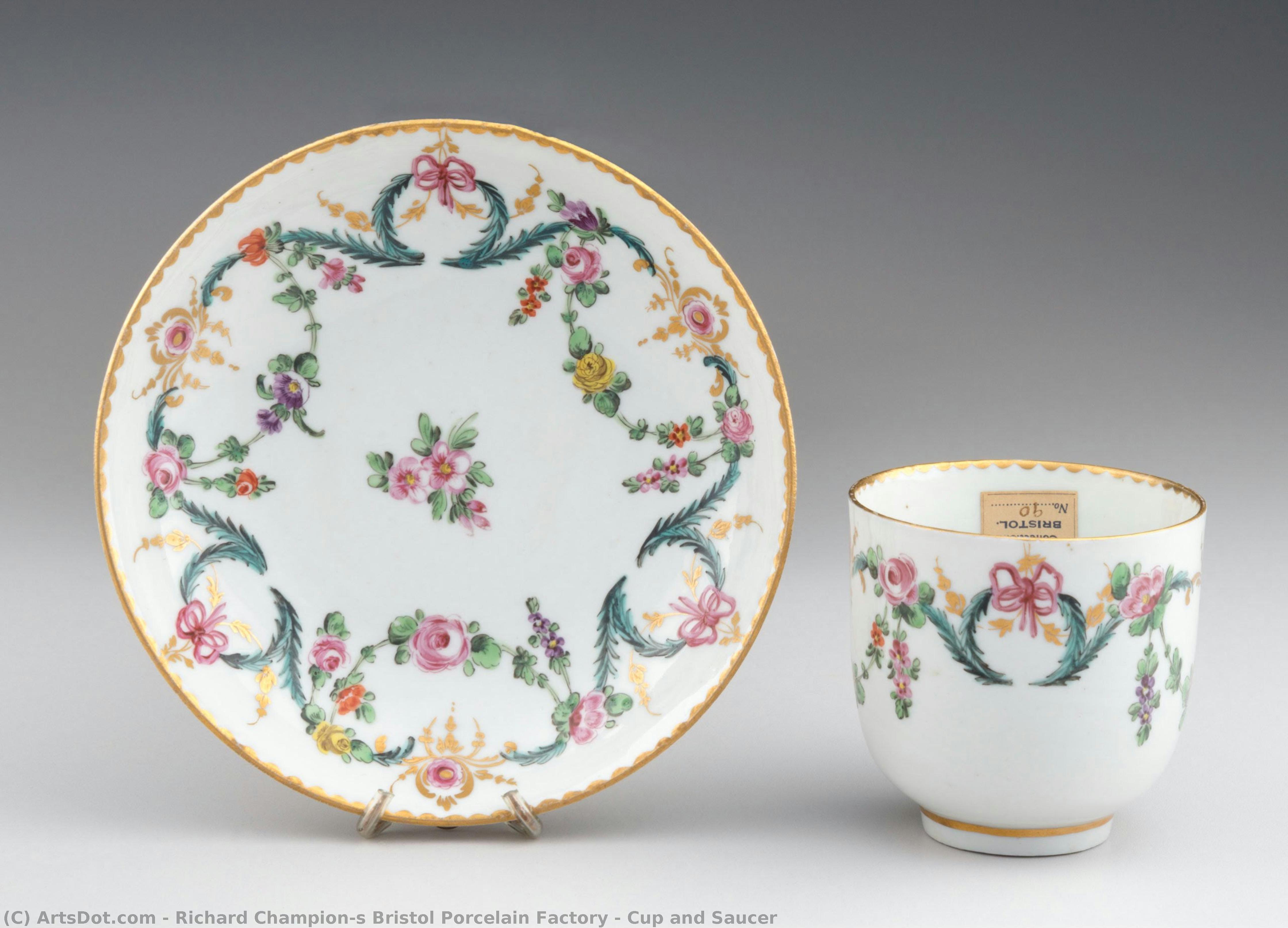
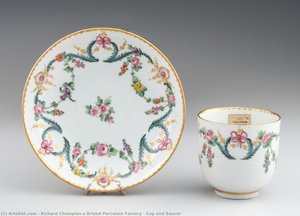
Cup and Saucer

 Read More
Purchase a high-resolution, enhanced digital image, far superior to the online preview.
Each file is meticulously prepared by our in-house specialists using advanced tools and expert manual retouching. We ensure every image has exceptional clarity, precise color accuracy, and fine detail.
The final file is delivered via email within 72 hours, optimized for immediate use in professional, editorial, and print environments. This is the same quality trusted by top-tier design studios, publishers, and galleries.
Digital Image
Download a high-resolution file for personal display, printing, and creative projects. ( Buy Print Buy Hand Made Painting)
Included in Every Digital Image Order
Expert Digital Delivery, Guaranteed
When you choose ArtsDot.com, you're not just getting an image - you're receiving a professionally enhanced digital artwork, crafted with precision and backed by a satisfaction guarantee. Here's everything that comes with your order, automatically:

Fast Email Delivery
Your high-resolution digital image file will be emailed to you within 72 hours of ordering - ready for immediate use.

AI-Enhanced Digital File
Your artwork is professionally optimized using advanced AI tools and manual editing, ensuring maximum detail, clarity, and color accuracy.

Free Lifetime Re-Delivery
Accidentally deleted or lost your file? No worries - we'll resend it to you anytime, free of charge.

No Import Fees - Ever
Enjoy your artwork instantly with zero customs, duties, or delivery fees - digital downloads are always tax-free.

Color Accuracy Guarantee
We ensure your digital image reflects the original colors as closely as possible using professional tools and color management.

60-Day Satisfaction Guarantee
If you're not satisfied with your digital image, we'll revise it or refund 100% within 60 days - no questions asked.

100% Money-Back Guarantee
Not satisfied? Get a full refund within 60 days of receiving your digital file - no questions asked.

Bulk Order Discounts
Buy 3 images, save 10% - Buy 5, save 15% - Buy 10+, save 20%. Great for creative projects, galleries, and agencies.
Related Artworks







Artist Biography
The Pioneering Spirit of Richard Champion’s Bristol Porcelain Factory
Richard Champion, a name often overshadowed by the delicate beauty of the porcelain he produced, stands as a pivotal figure in the history of English ceramics. His establishment of the Bristol Porcelain Factory in 1770 wasn't merely a commercial venture; it was an ambitious attempt to rival the established dominance of Meissen and Sèvres, bringing sophisticated hard-paste porcelain production to British shores. Champion’s story is one of entrepreneurial zeal, scientific curiosity, and artistic innovation – a fascinating blend that shaped the course of English decorative arts in the late 18th century. Born into a family with strong ties to trade and industry, Champion initially made his fortune as a copper merchant, involved in the transatlantic slave trade, a deeply troubling aspect of his biography that cannot be ignored when assessing his legacy. However, it was his fascination with the secrets of porcelain manufacture – a closely guarded knowledge held by the Chinese for centuries – that ultimately drove him to invest heavily in establishing his own factory on New Temple Street, Bristol. He wasn’t a potter himself, but rather a shrewd businessman who assembled a team of skilled artisans and chemists dedicated to unlocking the formula for true hard-paste porcelain.Early Experiments and the Pursuit of Perfection
The early years of the Bristol Porcelain Factory were marked by intense experimentation. Champion understood that simply replicating existing designs wouldn’t suffice; he aimed to create a porcelain that was not only equal in quality but also uniquely British in its aesthetic. This pursuit led him to employ notable figures like William Cooksey, who would later establish his own successful factory, and chemists dedicated to analyzing the raw materials necessary for achieving translucency, strength, and whiteness – qualities prized in European porcelain. The challenges were immense. Unlike soft-paste porcelains which had been produced in England previously, hard-paste required specific kaolin clay sourced from Cornwall, a material that proved difficult to refine consistently. Champion’s factory initially struggled with consistency, producing pieces that varied in quality. However, through relentless research and refinement of their techniques, they gradually overcame these hurdles. By the late 1770s, Bristol Porcelain had begun to emerge as a serious competitor, celebrated for its delicate forms, vibrant colors, and innovative decoration. The factory’s early successes were built on imitating popular Continental styles – particularly those of Sèvres and Meissen – but Champion encouraged his artists to develop their own distinctive motifs, incorporating English flora and fauna into their designs.Distinctive Styles and Artistic Innovations
Bristol Porcelain quickly distinguished itself through several key characteristics. The factory became renowned for its exquisite gilding, often applied with a lightness and precision that rivaled the best French work. Their use of color was also particularly noteworthy; they developed a unique palette of rich blues, greens, pinks, and purples, achieved through careful experimentation with enamel pigments. Perhaps most significantly, Bristol Porcelain pioneered a style of decoration known as “scale blue,” characterized by finely painted scenes depicting idyllic landscapes and classical figures against a background of shimmering cobalt blue scales. This technique became synonymous with the factory’s output and remains highly sought after by collectors today. The factory also excelled in producing elaborate shapes – teapots, vases, and dessert services – often adorned with intricate molded details and gilded handles. While initially focused on replicating existing forms, Bristol Porcelain artists gradually embraced a more Rococo aesthetic, incorporating flowing lines, asymmetrical designs, and playful motifs into their work. The factory’s commitment to innovation extended beyond decoration; they also experimented with new firing techniques and glaze compositions, constantly striving to improve the quality and durability of their porcelain.Decline and Legacy
Despite its early successes, the Bristol Porcelain Factory faced increasing competition from other English factories – particularly Wedgwood, whose jasperware offered a different but equally popular aesthetic. The economic climate of the late 18th century also proved challenging, with rising raw material costs and fluctuating demand for luxury goods. Richard Champion’s involvement in the slave trade continued to be a source of controversy, impacting his reputation and potentially hindering access to certain markets. By the early 19th century, the factory had fallen into decline, eventually closing its doors in 1813. However, the legacy of Bristol Porcelain endures. The pieces produced during its relatively short lifespan represent a high point in English ceramic art, showcasing exceptional craftsmanship, artistic innovation, and technical skill. Today, Bristol Porcelain is highly prized by collectors worldwide, admired for its delicate beauty, vibrant colors, and distinctive style. The factory’s contribution to the development of English porcelain – particularly its pioneering work with hard-paste formulas and scale blue decoration – remains a testament to Richard Champion’s vision and the dedication of the artisans who worked under his patronage.Historical Significance
The Bristol Porcelain Factory occupies a unique position in the history of English ceramics. It was the first factory in England to consistently produce true hard-paste porcelain, breaking the Continental monopoly on this prestigious material. This achievement not only stimulated competition within the industry but also fostered a new sense of national pride in British craftsmanship. The factory’s innovative decoration techniques – particularly scale blue – became highly influential, inspiring artists and manufacturers across Europe.- Bristol Porcelain played a crucial role in establishing England as a major center for porcelain production.
- The factory’s commitment to experimentation and innovation pushed the boundaries of ceramic art.
- Its distinctive style – characterized by delicate forms, vibrant colors, and intricate gilding – remains highly admired today.
- Despite its relatively short lifespan, Bristol Porcelain left an indelible mark on the history of English decorative arts.
Quick Facts
- Artistic Movement Or Style: Bristol Porcelain
- Date Of Death: Living
- Full Name: Richard Champion's Bristol Porcelain Factory

