 Preview
 Send
Send Share
Share
 Details

 Download
 Similars
 X-Ray
X-Ray Diaporama
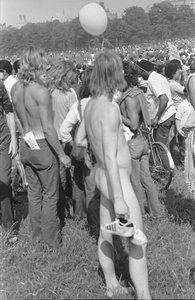
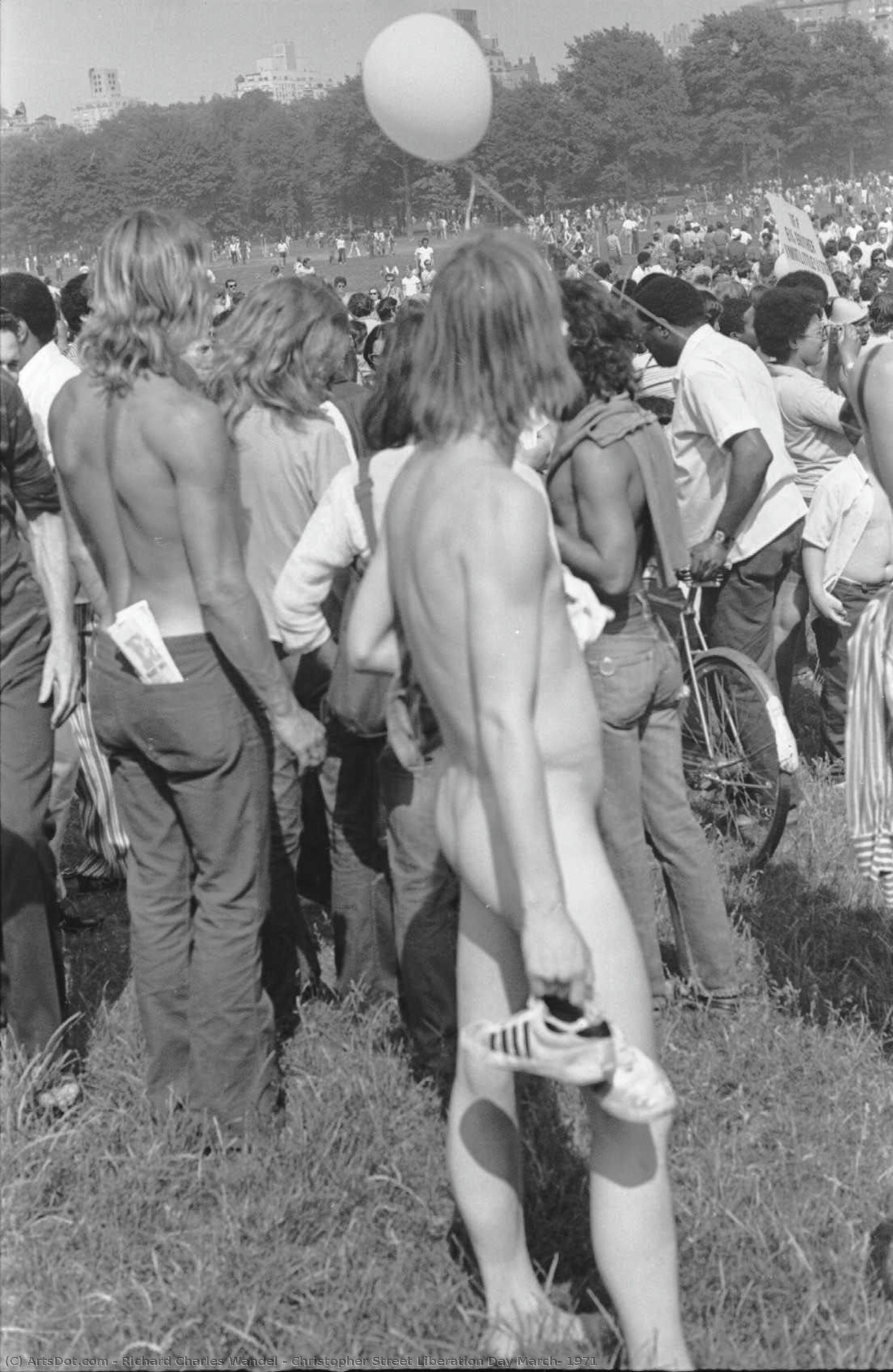
Christopher Street Liberation Day March, 1971

 Read More
Hand Made Oil Reproduction
Hand-painted oil on canvas in your size and frame, made to order by our artists. ( Buy Print Buy Image)




































Pick from our preset sizes that match the artwork's original proportions.

You may enter your own dimensions to fit a specific frame or space. If your selected size does not match the original image's proportions, we will either crop the artwork or extend the painting with additional hand-painted elements. A digital mockup will be sent for your approval before production begins.
Please note that the on-screen preview does not reflect the actual cropping or extension. Only the mockup will accurately show the final composition.
While custom sizes are available, we recommend selecting a dimension from the predefined list to preserve the original proportions.
After order, ArtsDot.com team will email client for instructions and provide a mockup preview
Worldwide Delivery () in 3/4 weeks instead of standard 5 weeks. (27 August). No compromise on quality.

Free Worldwide Express Shipping

High-Quality Linen Canvas

Full Shipping Insurance

Customs Tax Refund Guarantee

True Color Matching Guarantee

60-Day Return Policy (Defects Only)

100% Money-Back Guarantee

Bulk Discount Offer
 Glass option is only available in size under 110 CM

Christopher Street Liberation Day March, 1971
Reproduction Medium
Reproduction Size
-


Total Price
$ 613
Related Artworks






Artist Biography
A Lens on Activism: The Life and Legacy of Richard Charles Wandel
In the vibrant, often turbulent tapestry of twentieth-century American history, few figures captured the pulse of social transformation with as much quiet, steadfast devotion as Richard Charles Wandel. Born in New York City in 1938, Wandel did not merely observe the shifting tides of culture; he became a vital witness to them. His life’s work represents a profound intersection between the artistic eye and the archival impulse, where the camera served as both a tool for documentation and a weapon for social justice. Through his lens, the ephemeral moments of protest, celebration, and community gathering were transformed into permanent historical landmarks.
Wandel’s artistic development was deeply rooted in the burgeoning counterculture of the 1960s and early 1970s. As New York City became a crucible for radical new ideas regarding civil rights and personal liberation, Wandel honed a photographic style characterized by its raw, documentary power. He possessed an innate ability to find the profound narrative within the grainy textures of street photography, capturing the energy of a generation in flux. His work was never about mere aesthetic perfection; rather, it sought to convey the visceral emotion and the urgent political stakes of the era.
Documenting the Struggle for Equality
The most enduring chapter of Wandel’s career is inextricably linked to his involvement with the Gay Activists Alliance (GAAA). As a founding member of the organization's photography committee, he recognized early on that the fight for LGBTQ+ rights required a visual vocabulary—a way to make the invisible visible to a skeptical public. His photographs from this period are more than just images; they are historical artifacts that document the birth of modern queer activism.
His photographic archive includes several seminal works that capture the spirit of resistance and community:
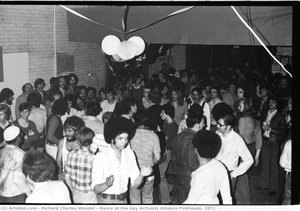
- Dance at the Gay Activists Alliance Firehouse, 1971: A poignant glimpse into the joy and solidarity found within the movement's safe spaces.
- Christopher Street Liberation Day March, 1971: An expansive look at the public reclamation of space and identity.
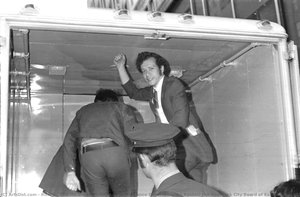
- Gay Activists Alliance Demonstration Against the New York City Board of Examiners, 1971: A stark documentation of the organized political friction of the era.
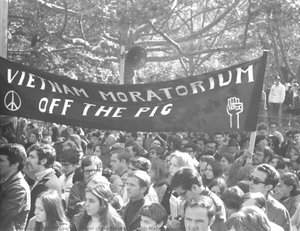
- Protesters at Vietnam War Moratorium, 1969: Evidence of his broader engagement with the anti-war sentiment and the interconnectedness of various social justice movements.
These images, often marked by a gritty, authentic texture, serve to bridge the gap between the past and the present, allowing contemporary viewers to feel the tension and the triumph of those early marches and rallies.
The Archivist’s Vision and Historical Preservation
Beyond the immediate impact of his photography, Wandel’s contribution to American history was solidified through his professional life as an archivist at the Library of Congress. This role allowed him to apply the same meticulous attention to detail found in his photography to the preservation of the nation's collective memory. His career as an archivist and his work as a photographer were two sides of the same coin: both were dedicated to the protection of truth and the prevention of historical erasure.
Wandel understood that for a movement to succeed, its history must be preserved with accuracy and accessibility. His dual identity as an artist and a custodian of records ensured that the struggles of the LGBTQ+ community and the broader civil rights movements were not lost to time. He approached the archive with a profound respect for historical context, ensuring that the voices captured in his photographs would remain available for scholarly study and public inspiration for generations to come. In the legacy of Richard Charles Wandel, we find a rare harmony between the creative act of seeing and the disciplined act of remembering.
richard charles wandel
1938 - 2017 , United States of America
Quick Facts
- Artistic Movement Or Style: Documentary Photography
- Date Of Birth: 1938
- Date Of Death: 2017
- Full Name: Richard Charles Wandel
- Nationality: American
- Notable Artworks: ['Dance at the Gay Activists Alliance Firehouse, 1971']
- Place Of Birth: New York City, United States