

 Preview
 Send
Send Share
Share
 Details

 Download
 Similars
 X-Ray
X-Ray Diaporama
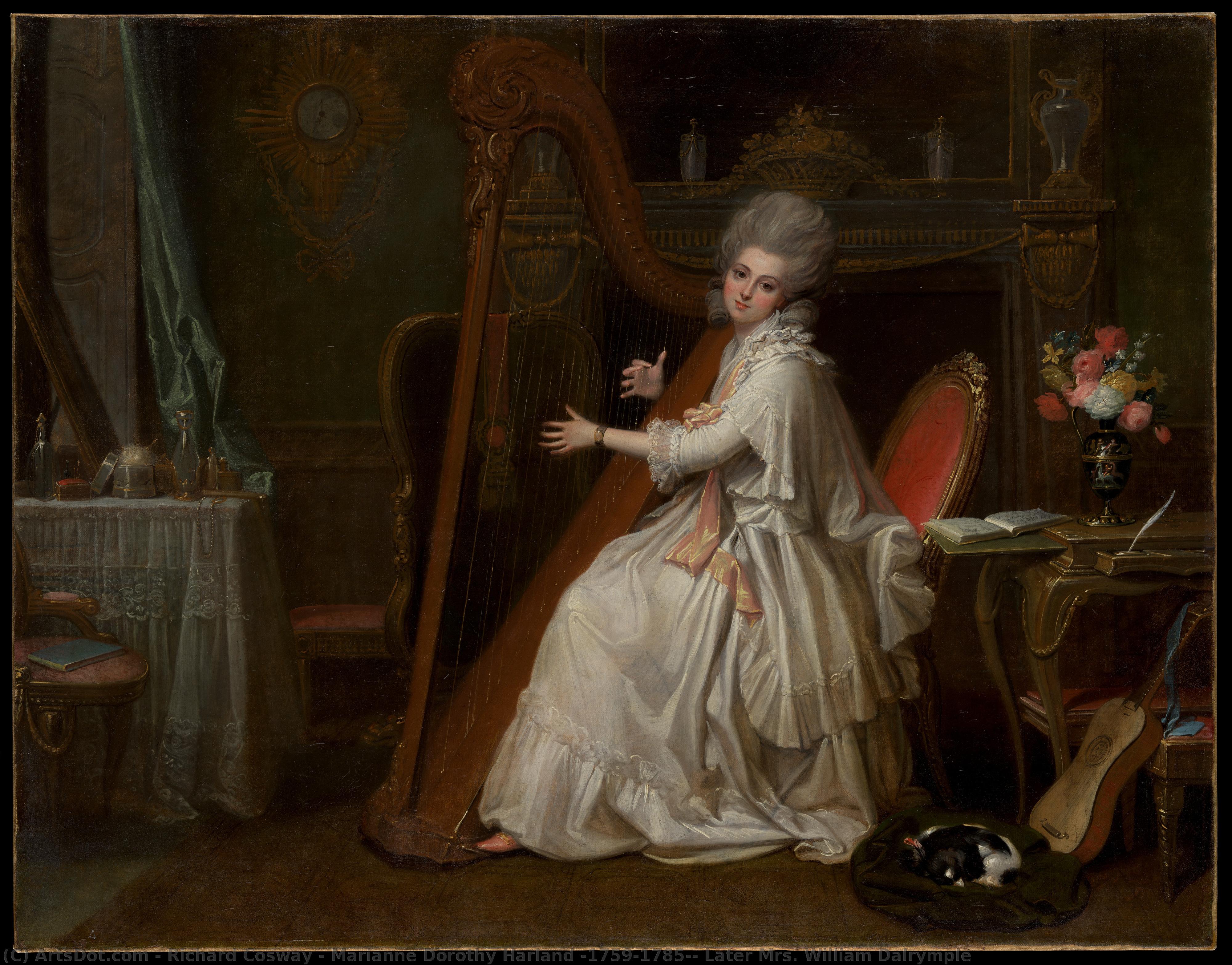
Marianne Dorothy Harland (1759–1785), Later Mrs. William Dalrymple
 Oil On Canvas
- WallArt
- Rococo Decorative Style
 Early Modern
 71.0 x 92.0 cm
 Metropolitan Museum of Art
 Read More
Purchase a high-resolution, enhanced digital image, far superior to the online preview.
Each file is meticulously prepared by our in-house specialists using advanced tools and expert manual retouching. We ensure every image has exceptional clarity, precise color accuracy, and fine detail.
The final file is delivered via email within 72 hours, optimized for immediate use in professional, editorial, and print environments. This is the same quality trusted by top-tier design studios, publishers, and galleries.
Digital Image
Download a high-resolution file for personal display, printing, and creative projects. ( Buy Print Buy Hand Made Painting)
Included in Every Digital Image Order
Expert Digital Delivery, Guaranteed
When you choose ArtsDot.com, you're not just getting an image - you're receiving a professionally enhanced digital artwork, crafted with precision and backed by a satisfaction guarantee. Here's everything that comes with your order, automatically:

Fast Email Delivery
Your high-resolution digital image file will be emailed to you within 72 hours of ordering - ready for immediate use.

AI-Enhanced Digital File
Your artwork is professionally optimized using advanced AI tools and manual editing, ensuring maximum detail, clarity, and color accuracy.

Free Lifetime Re-Delivery
Accidentally deleted or lost your file? No worries - we'll resend it to you anytime, free of charge.

No Import Fees - Ever
Enjoy your artwork instantly with zero customs, duties, or delivery fees - digital downloads are always tax-free.

Color Accuracy Guarantee
We ensure your digital image reflects the original colors as closely as possible using professional tools and color management.

60-Day Satisfaction Guarantee
If you're not satisfied with your digital image, we'll revise it or refund 100% within 60 days - no questions asked.

100% Money-Back Guarantee
Not satisfied? Get a full refund within 60 days of receiving your digital file - no questions asked.

Bulk Order Discounts
Buy 3 images, save 10% - Buy 5, save 15% - Buy 10+, save 20%. Great for creative projects, galleries, and agencies.
Collectible Description
A Symphony of Rococo Grace
In the delicate brushstrokes of Richard Cosway’s portrait of Marianne Dorothy Harland, we find more than a mere likeness; we encounter a window into the refined soul of the Georgian era. This exquisite oil on canvas, which once graced the halls of the Royal Academy in 1779, captures Marianne—later the Countess of Stair—in a moment of profound, quiet intimacy. As she sits cradling her harp, the instrument held close to her chest, there is an immediate sense of melodic stillness. The painting does not demand attention through grand, sweeping gestures but rather invites the viewer into a private sanctuary, where the soft light of a domestic afternoon seems to linger eternally upon the sitter.
Cosway, a master of the miniature and a titan of Regency portraiture, employs a style that epitomizes Rococo elegance. His technique is characterized by an uncanny ability to render textures that feel almost tactile to the touch. One can almost sense the weight of the draped fabrics, the smoothness of the porcelain scent bottles, and the delicate grain of the wooden harp. Through a masterful use of chiaroscuro, Cosway sculpts Marianne’s form against the warmth of the room, using dramatic contrasts between light and shadow to create a three-dimensional depth that breathes life into the composition. The interplay of light across her skin and the surrounding objects lends the piece an ethereal, dreamlike quality that is both captivating and soothing.
Symbolism and the Art of Domesticity
Beyond its aesthetic splendor, the portrait serves as a meticulously crafted microcosm of 18th-century social aspirations. Every object placed within this feminine sphere has been chosen with deliberate intent. The presence of the harp is particularly poignant; in the late Georgian period, the ability to play such an instrument was a hallmark of the accomplished lady, symbolizing both cultural refinement and emotional sensitivity. This musical motif is echoed by the scattered books and the quiet atmosphere of study and leisure that permeates the scene.
Cosway’s attention to detail—which some contemporary critics at the time famously labeled as "painful and minute"—is precisely what gives the work its enduring charm for the modern collector. The dressing table, adorned with a pincushion brimming with blossoms and delicate scent bottles, speaks to the ritual of feminine care and the opulent comforts of the era. Even the fireplace in the background contributes to a sense of cozy sophistication, grounding the ethereal beauty of the subject in a tangible, warm reality. For the interior designer or art enthusiast, this painting offers a rich tapestry of textures and themes that can anchor a room with historical gravity and a sense of timeless luxury.
An Enduring Legacy for the Discerning Collector
To possess a reproduction of this masterpiece is to bring a piece of British art history into the contemporary home. The emotional impact of Marianne Harland’s portrait lies in its ability to evoke nostalgia for an age of grace and understated splendor. It is a work that transcends time, offering a sense of tranquility that is increasingly rare in our fast-paced world. Whether placed in a sunlit library or a formal dining room, the painting acts as a focal point of conversation, sparking inquiries into the lives of the figures it depicts and the masterful hand that immortalized them.
For those seeking to curate an environment of intellectual depth and aesthetic refinement, Cosway’s work provides unparalleled inspiration. It is not merely a decoration but an experience—a continuous loop of beauty, history, and emotion that enriches any space it inhabits. This portrait remains a testament to the power of art to capture the fleeting essence of a human soul, preserved forever in a dance of light, shadow, and silk.
Related Artworks

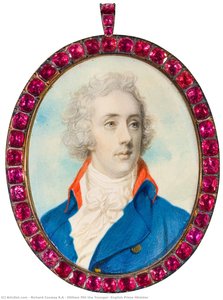
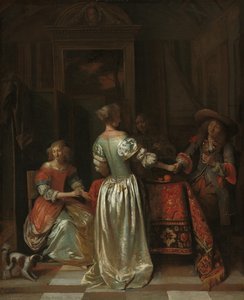
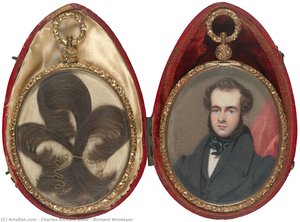
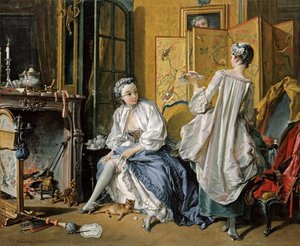
Artist Biography
A Life in Miniature: The World of Richard Cosway
Richard Cosway, born in the quiet Devon town of Tiverton in 1742, ascended to become one of the most celebrated portrait miniaturists of his age. His journey began with a precocious talent recognized early on; at twelve years old, he was already demonstrating artistic promise significant enough to warrant a move to London for formal training. He studied under Thomas Hudson and William Shipley, foundational figures who instilled in him not only technical skill but also an entrepreneurial spirit that would define his career. Even before establishing his own business by 1760, Cosway had secured recognition from the Society of Arts, foreshadowing the acclaim he would soon garner within London’s vibrant artistic circles. This early success wasn't merely about talent; it was a testament to ambition and a keen understanding of the burgeoning market for portraiture during the Georgian era.The Regency Era’s Premier Portraitist
Cosway quickly distinguished himself through his exquisite miniatures, a particularly popular art form in an age captivated by elegance and personal representation. His style was characterized by a refined attention to detail, subtle yet luminous color palettes, and an almost uncanny ability to capture not just likeness but the very essence of his sitters. He wasn’t simply painting faces; he was crafting intimate glimpses into character and social standing. This talent brought him to the attention of the aristocracy, becoming their favored portraitist. Notable commissions included portraits of Arthur Wellesley, later the Duke of Wellington, showcasing Cosway's skill in conveying both power and personality. A particularly poignant work is his miniature depicting Midshipman Isaac Smith aboard HMS Endeavour, a captivating snapshot of maritime life that transcends mere portraiture to become a historical document. His ability to capture the nuances of human expression, combined with technical mastery, cemented his reputation as *the* miniaturist of the Regency period.Recognition and Royal Patronage
Cosway’s artistic prowess was formally acknowledged by the establishment when he was elected an Associate Member of the Royal Academy in 1770, swiftly followed by full membership in 1771. This inclusion placed him amongst the leading artists of his day, as immortalized in Johan Zoffany's famous group portrait of Royal Academy members – a testament to his peers’ respect and admiration. However, it was his appointment as Painter to the Prince of Wales in 1785 that truly signified the pinnacle of his career. This wasn’t merely a title; it represented royal patronage, prestige, and access to an exclusive circle of influence. It also allowed him to sign his works with the impressive designation *Primarius Pictor Serenissimi Walliae Principis* – Principal Painter to His Most Serene Highness the Prince of Wales – a bold declaration of his status. He moved in sophisticated circles alongside artists like John Smart and George Engleheart, contributing to a dynamic artistic community that thrived on innovation and mutual inspiration.A Complex Legacy
The personal life of Richard Cosway was as captivating as his art. His marriage in 1781 to Maria Hadfield, herself an accomplished artist, was marked by both collaboration and complexity. Their home became a fashionable salon, attracting prominent figures from the arts and society, fostering intellectual exchange and creative energy. However, later in life, Cosway experienced periods of mental instability that ultimately led to institutionalization. Despite these challenges, his artistic legacy endures. His miniatures are highly valued not only for their technical brilliance but also for the historical insights they offer into the social and cultural landscape of the Regency era. The Witts Family Group, for example, is a masterpiece of composition and character study. Cosway’s influence can be seen in subsequent generations of miniature artists, solidifying his place as a pivotal figure in British art history. He remains a symbol of an age defined by elegance, refinement, and the enduring power of portraiture to capture the spirit of an era.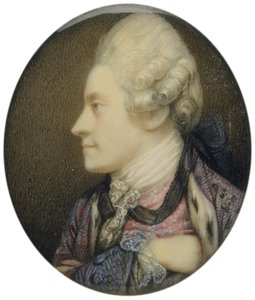
Richard Cosway
1742 - 1821 , United Kingdom
Quick Facts
- Artistic Movement Or Style: Regency portrait miniatures
- Artists Or Movements Influenced By This Artist:
- Charles Richard Bone
- Charles Shirreff
- Artists Who Influenced This Artist:
- Thomas Hudson
- William Shipley
- Date Of Birth: 1742
- Date Of Death: 1821
- Full Name: Richard Cosway RA
- Nationality: British
- Notable Artworks:
- Mrs Siddons Reading In A Grotto
- Portrait Of Lady Almeria Carpenter
- A Young Gentleman Facing Right
- Place Of Birth: Tiverton, UK

