 Preview
 Send
Send Share
Share
 Details

 Download
 Similars
 X-Ray
X-Ray Diaporama
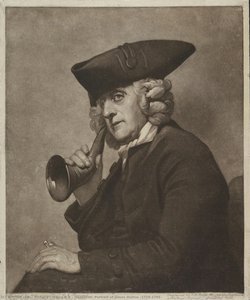
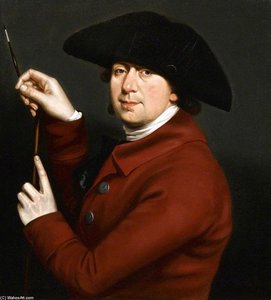
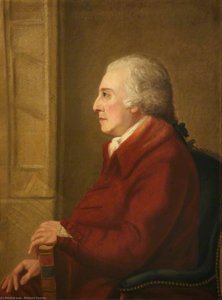
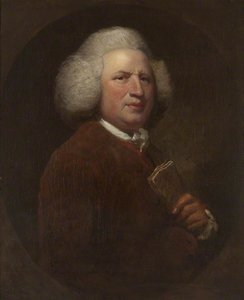
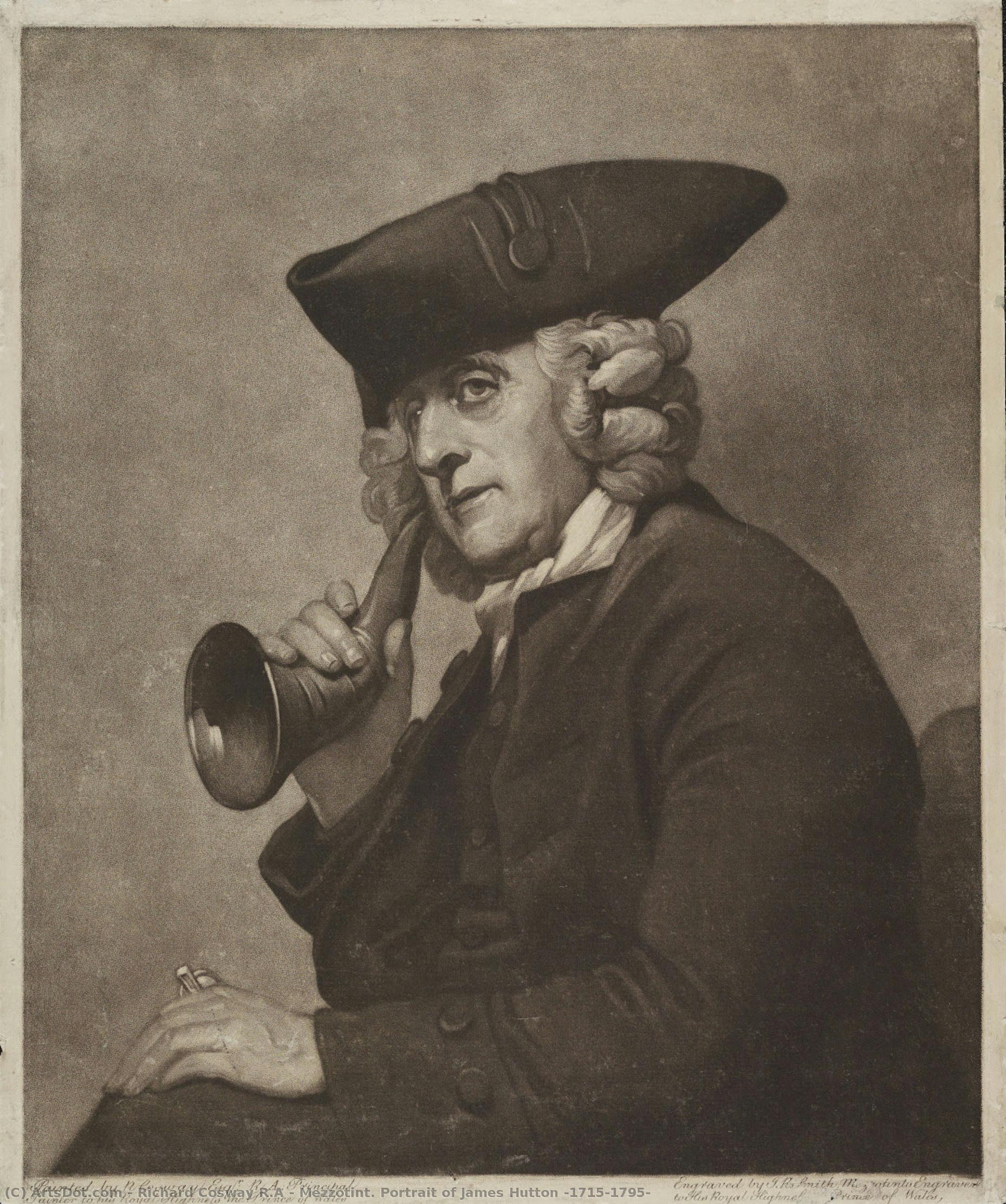
Mezzotint. Portrait of James Hutton (1715-1795)


 Read More
Giclée / Art Print
Museum-quality giclée or canvas print with fast production and flexible finish options. ( Buy Hand Made Painting Buy Image)




P118B $10

P118H $10

P118W $10

P438Z $10

P508JH $12

P508YH $12

P805H $10

P805Z $10

P919BZ $10

P919G $10

P919XJ $10

P959ZH $10

P968JZ $12

W106C $8

W218G $10

W218JH $8

W218Y $10

W307PJ $10

W316G $10

W316PJ $8

W316Y $10

W398PJ $8

W4111J $10

W500HY $15

W500JH $15

W692G $12

W849H $8

W940BG $15

W953PJ $8




Pick from our preset sizes that match the artwork's original proportions.

You may enter your own dimensions to fit a specific frame or space. If your selected size does not match the original image's proportions, we will either crop the artwork or extend the image with a mirrored or solid-fill edge. A digital mockup will be sent for your approval before production begins.
Please note that the on-screen preview does not reflect the actual cropping or extension. Only the mockup will accurately show the final composition.
While custom sizes are available, we recommend selecting a dimension from the predefined list to preserve the original proportions.
Worldwide Delivery () in 2 weeks instead of standard 4/5 weeks. (3 September)

Free Worldwide Express Shipping

High-Quality Linen Canvas

Full Shipping Insurance

Customs Tax Refund Guarantee

True Color Matching Guarantee

60-Day Return Policy (Defects Only)

100% Money-Back Guarantee

Bulk Discount Offer
 Glass option is only available in size under 110 CM

Mezzotint. Portrait of James Hutton (1715-1795)
Giclée / Art Print
Reproduction Size
-


Total Price
$ 63
Mezzotint Portrait of James Hutton: A Window Into Enlightenment Thought
The artwork in question is a mezzotint portrait depicting James Hutton (1715-1795), Secretary of the Moravian Society, executed by John Raphael Smith after Richard Cosway in 1786. This striking image captures not merely a likeness but embodies the intellectual fervor and artistic sensibilities of the Regency era—a period defined by scientific inquiry and aristocratic patronage.A Masterpiece of Technique
Smith’s masterful engraving demonstrates the pinnacle of mezzotint printing, a technique pioneered in the mid-18th century that relies on tonal shading achieved through multiple passes with hardened copper rollers bearing recessed lines. Cosway's original watercolor sketch served as the basis for this meticulous process, resulting in an image characterized by subtle gradations of grey and black—a deliberate choice reflecting Hutton’s role as a geologist who championed the concept of uniformitarianism: the belief that geological processes operate consistently throughout time without intervention from divine forces. The artist skillfully rendered Hutton's facial features with remarkable accuracy, capturing his gaze directed off-camera – an element intended to convey thoughtfulness and contemplation.Historical Context: Enlightenment Ideals Embodied
The portrait emerges from a broader cultural landscape shaped by the Enlightenment—a movement prioritizing reason and observation over dogma. Hutton’s affiliation with the Moravian Society, known for its commitment to humanitarian principles and scientific experimentation, aligns perfectly with these intellectual currents. Cosway's artistic reputation rested on his ability to portray prominent figures of the time with dignity and nuance, elevating them into symbols of virtue and erudition. The inclusion of a trumpet or horn symbolizes Hutton’s dedication to disseminating knowledge and upholding moral standards—a visual metaphor resonating powerfully within the context of 18th-century society.Symbolism: Beyond Appearance
The composition itself speaks volumes about Cosway's artistic intentions. Hutton is seated formally, dressed in opulent attire indicative of his social standing, yet his gaze focuses outwards, suggesting an engagement with ideas beyond the confines of his immediate surroundings. The powdered wig and tricorn hat—fashion staples of the aristocracy—represent status and tradition alongside a preoccupation with intellectual pursuits. Furthermore, Smith’s careful attention to detail underscores the importance of observation and empirical evidence – core tenets of Hutton's groundbreaking geological theories.Emotional Impact: A Portrait of Integrity
Ultimately, this portrait transcends mere representation; it conveys an enduring sense of integrity and intellectual curiosity. Cosway successfully captures Hutton’s inner life—his contemplative gaze hinting at profound thought and unwavering conviction. The image invites viewers to contemplate the legacy of a scientist who fundamentally reshaped our understanding of Earth's history and championed humanist values, solidifying his place as one of the most influential figures of his time. It remains an exquisite testament to both artistic skill and intellectual enlightenment—a timeless masterpiece that continues to inspire admiration for its beauty and insight.Related Artworks
Artist Biography
A Life in Miniature: The World of Richard Cosway
Richard Cosway, born in the quiet Devon town of Tiverton in 1742, ascended to become one of the most celebrated portrait miniaturists of his age. His journey began with a precocious talent recognized early on; at twelve years old, he was already demonstrating artistic promise significant enough to warrant a move to London for formal training. He studied under Thomas Hudson and William Shipley, foundational figures who instilled in him not only technical skill but also an entrepreneurial spirit that would define his career. Even before establishing his own business by 1760, Cosway had secured recognition from the Society of Arts, foreshadowing the acclaim he would soon garner within London’s vibrant artistic circles. This early success wasn't merely about talent; it was a testament to ambition and a keen understanding of the burgeoning market for portraiture during the Georgian era.The Regency Era’s Premier Portraitist
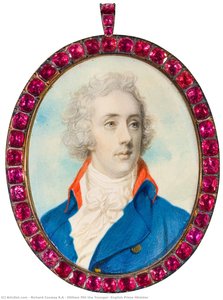
Cosway quickly distinguished himself through his exquisite miniatures, a particularly popular art form in an age captivated by elegance and personal representation. His style was characterized by a refined attention to detail, subtle yet luminous color palettes, and an almost uncanny ability to capture not just likeness but the very essence of his sitters. He wasn’t simply painting faces; he was crafting intimate glimpses into character and social standing. This talent brought him to the attention of the aristocracy, becoming their favored portraitist. Notable commissions included portraits of Arthur Wellesley, later the Duke of Wellington, showcasing Cosway's skill in conveying both power and personality. A particularly poignant work is his miniature depicting Midshipman Isaac Smith aboard HMS Endeavour, a captivating snapshot of maritime life that transcends mere portraiture to become a historical document. His ability to capture the nuances of human expression, combined with technical mastery, cemented his reputation as *the* miniaturist of the Regency period.Recognition and Royal Patronage
Cosway’s artistic prowess was formally acknowledged by the establishment when he was elected an Associate Member of the Royal Academy in 1770, swiftly followed by full membership in 1771. This inclusion placed him amongst the leading artists of his day, as immortalized in Johan Zoffany's famous group portrait of Royal Academy members – a testament to his peers’ respect and admiration. However, it was his appointment as Painter to the Prince of Wales in 1785 that truly signified the pinnacle of his career. This wasn’t merely a title; it represented royal patronage, prestige, and access to an exclusive circle of influence. It also allowed him to sign his works with the impressive designation *Primarius Pictor Serenissimi Walliae Principis* – Principal Painter to His Most Serene Highness the Prince of Wales – a bold declaration of his status. He moved in sophisticated circles alongside artists like John Smart and George Engleheart, contributing to a dynamic artistic community that thrived on innovation and mutual inspiration.A Complex Legacy
The personal life of Richard Cosway was as captivating as his art. His marriage in 1781 to Maria Hadfield, herself an accomplished artist, was marked by both collaboration and complexity. Their home became a fashionable salon, attracting prominent figures from the arts and society, fostering intellectual exchange and creative energy. However, later in life, Cosway experienced periods of mental instability that ultimately led to institutionalization. Despite these challenges, his artistic legacy endures. His miniatures are highly valued not only for their technical brilliance but also for the historical insights they offer into the social and cultural landscape of the Regency era. The Witts Family Group, for example, is a masterpiece of composition and character study. Cosway’s influence can be seen in subsequent generations of miniature artists, solidifying his place as a pivotal figure in British art history. He remains a symbol of an age defined by elegance, refinement, and the enduring power of portraiture to capture the spirit of an era.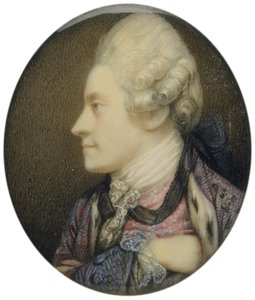
Richard Cosway
1742 - 1821 , United Kingdom
Quick Facts
- Artistic Movement Or Style: Regency portrait miniatures
- Artists Or Movements Influenced By This Artist:
- Charles Richard Bone
- Charles Shirreff
- Artists Who Influenced This Artist:
- Thomas Hudson
- William Shipley
- Date Of Birth: 1742
- Date Of Death: 1821
- Full Name: Richard Cosway RA
- Nationality: British
- Notable Artworks:
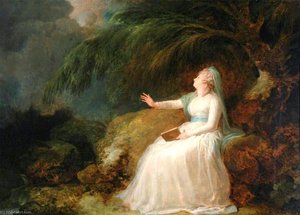
- Mrs Siddons Reading In A Grotto
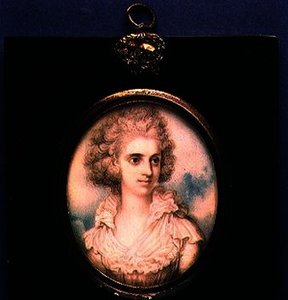
- Portrait Of Lady Almeria Carpenter
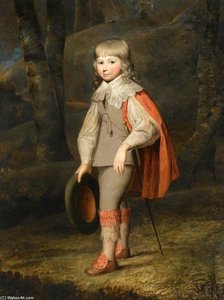
- A Young Gentleman Facing Right
- Place Of Birth: Tiverton, UK
Related Articles

Whistler's Masterpieces: Explore 25 Iconic Paintings & Aesthetic Art for Your Home
Journey through 25 iconic James Abbott McNeill Whistler paintings! Explore his masterpieces of Aestheticism, from 'Nocturne in Black and Gold' to captivating portraits. Find museum-quality art reproductions & elevate your home decor with ArtsDot.com. Discover the full collection online.
Sir Alfred Munnings' Masterpieces: 25 Paintings That Define Equine Art | ArtsDot
Explore 25 iconic Sir Alfred Munnings paintings! Discover the beauty of British Impressionism, equine art & rural England. Find museum-quality reproductions and elevate your home decor with ArtsDot. Explore the full collection online.

Giclée Prints: Archival Quality & Aesthetic Nuances for the Discerning Collector
Explore the world of giclée prints with ArtsDot. Learn about archival quality, aesthetic nuances & investment potential. Expert guidance for discerning art collectors seeking museum-quality reproductions and lasting value.
Richard Cosway: Capturing Regency Elegance & Intimacy Through Portraiture
Explore the captivating world of Richard Cosway, Regency society's celebrated portrait miniaturist. Discover his exquisite art, aristocratic patrons & lasting legacy with ArtsDot.

The Enduring Legacy of Fine Art Prints: Technique, History & Aesthetic Impact
Explore the rich history & techniques of fine art prints. Discover investment potential, assess authenticity, and learn how to preserve your collection with expert guidance. Trusted insights for discerning collectors.