

 Send
Send Share
Share
 Details

 Download
 Similars
 Diaporama
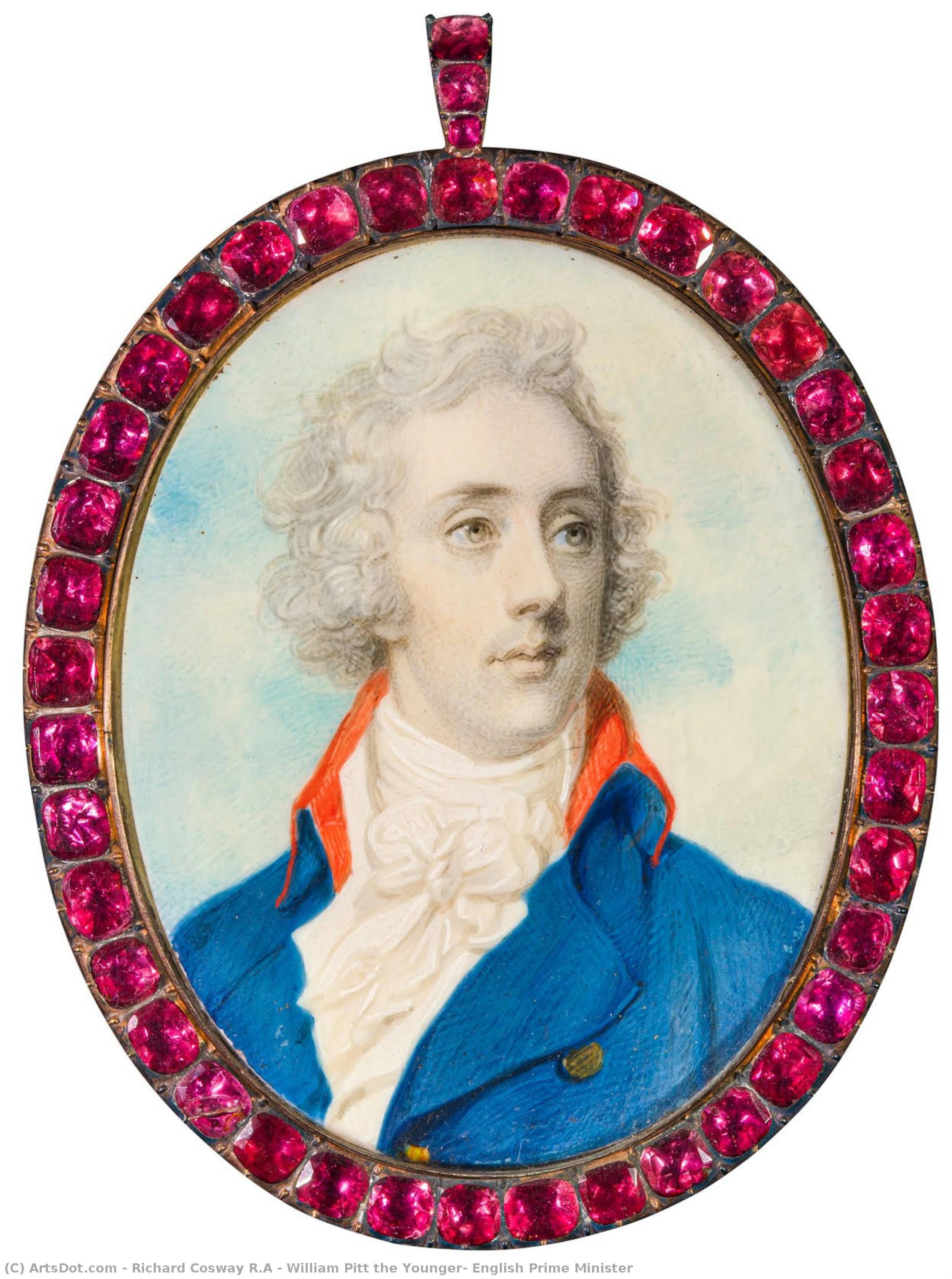
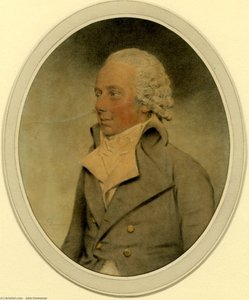
William Pitt the Younger, English Prime Minister


 Read More
Purchase a high-resolution, enhanced digital image, far superior to the online preview.
Each file is meticulously prepared by our in-house specialists using advanced tools and expert manual retouching. We ensure every image has exceptional clarity, precise color accuracy, and fine detail.
The final file is delivered via email within 72 hours, optimized for immediate use in professional, editorial, and print environments. This is the same quality trusted by top-tier design studios, publishers, and galleries.
Digital Image
Download a high-resolution file for personal display, printing, and creative projects. ( Buy Print Buy Hand Made Painting)
Included in Every Digital Image Order
Expert Digital Delivery, Guaranteed
When you choose ArtsDot.com, you're not just getting an image - you're receiving a professionally enhanced digital artwork, crafted with precision and backed by a satisfaction guarantee. Here's everything that comes with your order, automatically:

Fast Email Delivery
Your high-resolution digital image file will be emailed to you within 72 hours of ordering - ready for immediate use.

AI-Enhanced Digital File
Your artwork is professionally optimized using advanced AI tools and manual editing, ensuring maximum detail, clarity, and color accuracy.

Free Lifetime Re-Delivery
Accidentally deleted or lost your file? No worries - we'll resend it to you anytime, free of charge.

No Import Fees - Ever
Enjoy your artwork instantly with zero customs, duties, or delivery fees - digital downloads are always tax-free.

Color Accuracy Guarantee
We ensure your digital image reflects the original colors as closely as possible using professional tools and color management.

60-Day Satisfaction Guarantee
If you're not satisfied with your digital image, we'll revise it or refund 100% within 60 days - no questions asked.

100% Money-Back Guarantee
Not satisfied? Get a full refund within 60 days of receiving your digital file - no questions asked.

Bulk Order Discounts
Buy 3 images, save 10% - Buy 5, save 15% - Buy 10+, save 20%. Great for creative projects, galleries, and agencies.
Collectible Description
Richard Cosway: The Master of Miniature Portraiture
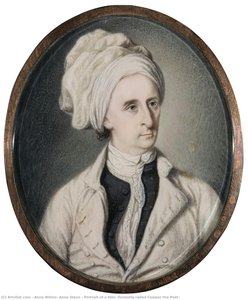
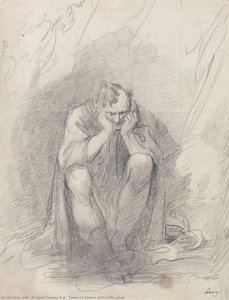
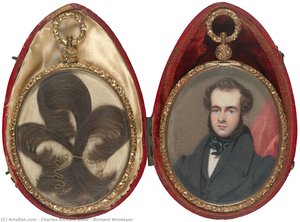
Richard Cosway’s legacy rests firmly within the realm of miniature portraiture—a deceptively small art form that commanded immense prestige and influence during the Georgian era. Born in Tiverton, Devon, in 1742, Cosway ascended to become arguably the most fashionable miniature painter in England from the 1780s into the early 1800s, establishing himself as a titan of artistic taste and innovation. His success wasn’t merely about technical prowess; it was rooted in an astute understanding of his clientele—wealthy aristocrats eager to adorn their homes with symbols of status and refinement—and a masterful ability to cultivate relationships that ensured commissions flowed steadily into his studio. Cosway's career began modestly, securing recognition from the Society of Arts before embarking on a path toward unparalleled renown through collaborations with influential figures like Thomas Jefferson and the Prince Regent (later George IV).A Technique Born of Elegance: Transparent Pigments and Ivory Luminosity
Cosway’s distinctive approach to miniature painting distinguished him from his contemporaries. Unlike many artists who favored opaque pigments—resulting in flat, lifeless surfaces—Cosway pioneered the use of transparent pigments that allowed the natural luminosity of ivory to shine through. This revolutionary technique demanded meticulous preparation and painstaking execution; Cosway painstakingly ground down powdered minerals into a fine paste, applying them with delicate brushes onto thin sheets of ivory or vellum. The resulting images possessed an ethereal quality, capturing not merely likeness but also conveying subtle nuances of mood and emotion—a testament to Cosway’s artistic sensitivity and his mastery of visual illusion. This method was particularly favored by portraitists who wished to portray their subjects in a manner that reflected the grandeur and sophistication of aristocratic life.The Patronage of Royalty: Shaping Portraiture's Narrative
Cosway’s career flourished under the patronage of the British monarchy, notably George IV, whose fervent admiration for Cosway fueled an astonishing outpouring of commissions—nearly fifty portraits executed over several decades. This royal endorsement solidified Cosway’s reputation as the premier portraitist of his time and ensured that his work would be viewed by the most discerning audiences. The Prince Regent's fascination with miniature painting mirrored a broader cultural preoccupation with visual representation during the Regency, reflecting anxieties about social status and the importance of projecting an image of power and prestige. Cosway skillfully navigated this complex landscape, crafting portraits that simultaneously honored tradition while embracing innovation—a hallmark of his artistic vision.Symbolism Within Miniature Scale: Reflecting Status and Emotion
Beyond mere likeness, Cosway’s miniatures communicated profound symbolic meanings reflecting the social hierarchy and emotional aspirations of their subjects. The choice of materials—ivory, silk, jewels—served as visual shorthand for wealth and nobility, conveying messages of prestige and refinement. Hairstyles, clothing, and jewelry were meticulously rendered to express individuality while adhering to established conventions of aristocratic taste. Cosway’s portraits captured not only physical appearance but also psychological states—a feat achieved through subtle gestures, expressions, and poses that conveyed emotion with remarkable precision. These details underscored the miniature's capacity to encapsulate a complex tapestry of social and personal significance.A Legacy Enduring Through Reproduction: Bringing Cosway's Vision to Modern Homes
Today, Richard Cosway’s masterpieces continue to inspire artists and collectors alike—preserved in museums across Europe and America—and reproduced faithfully by ArtsDot.com. The ethereal beauty of his technique—characterized by transparent pigments and ivory luminosity—remains captivating, offering a glimpse into the artistic sensibilities of a bygone era. By commissioning high-quality reproductions from ArtsDot.com, enthusiasts can experience Cosway’s vision firsthand, transforming their homes into spaces imbued with elegance, sophistication, and an appreciation for the enduring power of miniature portraiture.Related Artworks

Artist Biography
A Life in Miniature: The World of Richard Cosway
Richard Cosway, born in the quiet Devon town of Tiverton in 1742, ascended to become one of the most celebrated portrait miniaturists of his age. His journey began with a precocious talent recognized early on; at twelve years old, he was already demonstrating artistic promise significant enough to warrant a move to London for formal training. He studied under Thomas Hudson and William Shipley, foundational figures who instilled in him not only technical skill but also an entrepreneurial spirit that would define his career. Even before establishing his own business by 1760, Cosway had secured recognition from the Society of Arts, foreshadowing the acclaim he would soon garner within London’s vibrant artistic circles. This early success wasn't merely about talent; it was a testament to ambition and a keen understanding of the burgeoning market for portraiture during the Georgian era.The Regency Era’s Premier Portraitist
Cosway quickly distinguished himself through his exquisite miniatures, a particularly popular art form in an age captivated by elegance and personal representation. His style was characterized by a refined attention to detail, subtle yet luminous color palettes, and an almost uncanny ability to capture not just likeness but the very essence of his sitters. He wasn’t simply painting faces; he was crafting intimate glimpses into character and social standing. This talent brought him to the attention of the aristocracy, becoming their favored portraitist. Notable commissions included portraits of Arthur Wellesley, later the Duke of Wellington, showcasing Cosway's skill in conveying both power and personality. A particularly poignant work is his miniature depicting Midshipman Isaac Smith aboard HMS Endeavour, a captivating snapshot of maritime life that transcends mere portraiture to become a historical document. His ability to capture the nuances of human expression, combined with technical mastery, cemented his reputation as *the* miniaturist of the Regency period.Recognition and Royal Patronage
Cosway’s artistic prowess was formally acknowledged by the establishment when he was elected an Associate Member of the Royal Academy in 1770, swiftly followed by full membership in 1771. This inclusion placed him amongst the leading artists of his day, as immortalized in Johan Zoffany's famous group portrait of Royal Academy members – a testament to his peers’ respect and admiration. However, it was his appointment as Painter to the Prince of Wales in 1785 that truly signified the pinnacle of his career. This wasn’t merely a title; it represented royal patronage, prestige, and access to an exclusive circle of influence. It also allowed him to sign his works with the impressive designation *Primarius Pictor Serenissimi Walliae Principis* – Principal Painter to His Most Serene Highness the Prince of Wales – a bold declaration of his status. He moved in sophisticated circles alongside artists like John Smart and George Engleheart, contributing to a dynamic artistic community that thrived on innovation and mutual inspiration.A Complex Legacy
The personal life of Richard Cosway was as captivating as his art. His marriage in 1781 to Maria Hadfield, herself an accomplished artist, was marked by both collaboration and complexity. Their home became a fashionable salon, attracting prominent figures from the arts and society, fostering intellectual exchange and creative energy. However, later in life, Cosway experienced periods of mental instability that ultimately led to institutionalization. Despite these challenges, his artistic legacy endures. His miniatures are highly valued not only for their technical brilliance but also for the historical insights they offer into the social and cultural landscape of the Regency era. The Witts Family Group, for example, is a masterpiece of composition and character study. Cosway’s influence can be seen in subsequent generations of miniature artists, solidifying his place as a pivotal figure in British art history. He remains a symbol of an age defined by elegance, refinement, and the enduring power of portraiture to capture the spirit of an era.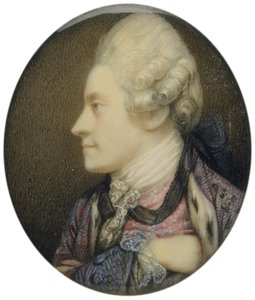
Richard Cosway
1742 - 1821 , United Kingdom
Quick Facts
- Artistic Movement Or Style: Regency portrait miniatures
- Artists Or Movements Influenced By This Artist:
- Charles Richard Bone
- Charles Shirreff
- Artists Who Influenced This Artist:
- Thomas Hudson
- William Shipley
- Date Of Birth: 1742
- Date Of Death: 1821
- Full Name: Richard Cosway RA
- Nationality: British
- Notable Artworks:
- Mrs Siddons Reading In A Grotto
- Portrait Of Lady Almeria Carpenter
- A Young Gentleman Facing Right
- Place Of Birth: Tiverton, UK

