 Preview
 Send
Send Share
Share
 Details

 Download
 Similars
 X-Ray
X-Ray Diaporama
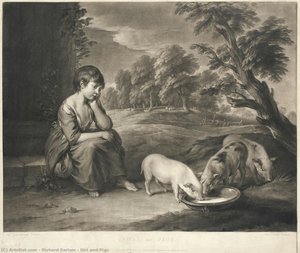
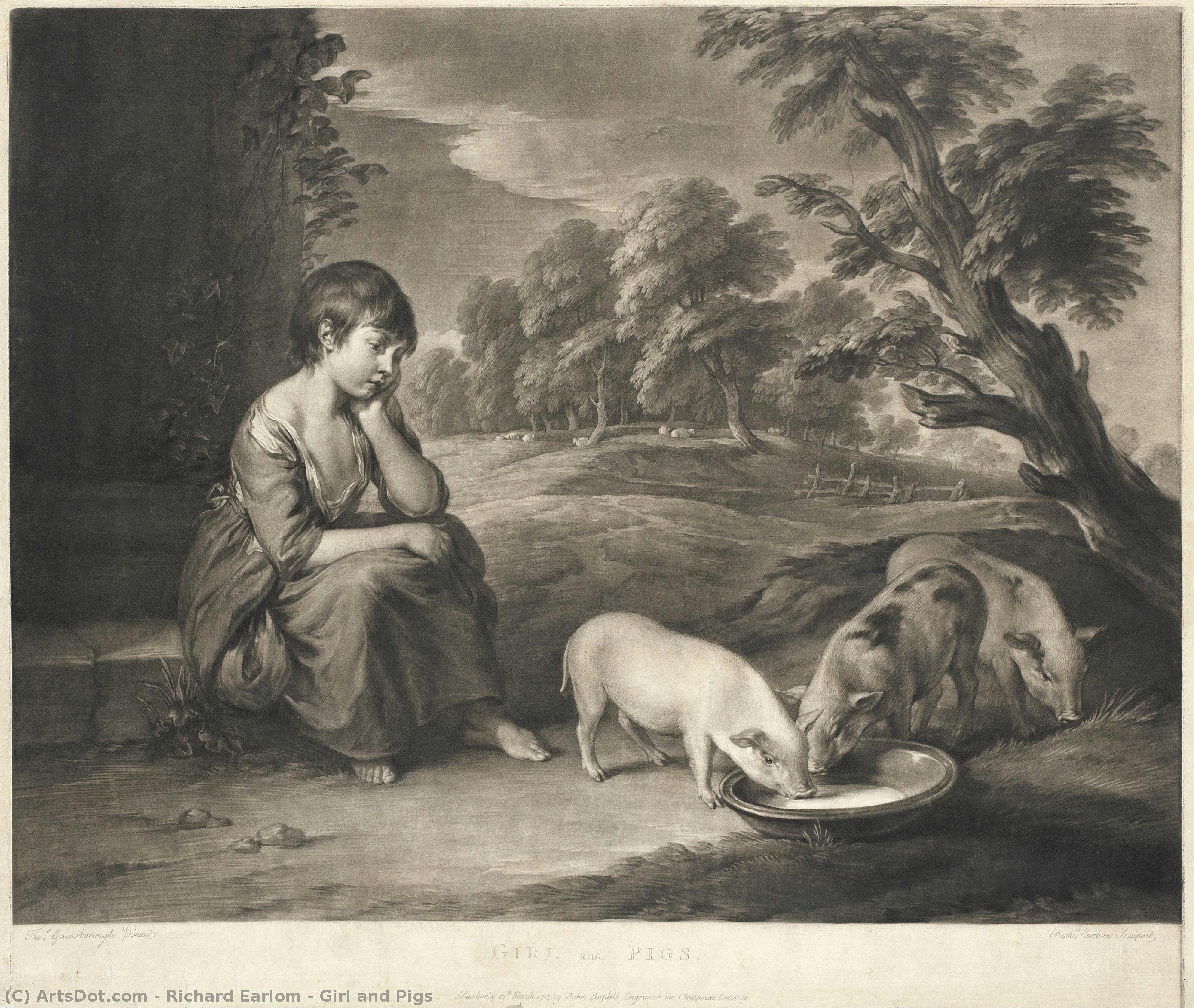
Girl and Pigs
 1783
1783 41.0 x 47.0 cm
 Los Angeles County Museum of Art
 Read More
Hand Made Oil Reproduction
Hand-painted oil on canvas in your size and frame, made to order by our artists. ( Buy Print Buy Image)




































Pick from our preset sizes that match the artwork's original proportions.

You may enter your own dimensions to fit a specific frame or space. If your selected size does not match the original image's proportions, we will either crop the artwork or extend the painting with additional hand-painted elements. A digital mockup will be sent for your approval before production begins.
Please note that the on-screen preview does not reflect the actual cropping or extension. Only the mockup will accurately show the final composition.
While custom sizes are available, we recommend selecting a dimension from the predefined list to preserve the original proportions.
After order, ArtsDot.com team will email client for instructions and provide a mockup preview
Worldwide Delivery () in 3/4 weeks instead of standard 5 weeks. (17 August). No compromise on quality.

Free Worldwide Express Shipping

High-Quality Linen Canvas

Full Shipping Insurance

Customs Tax Refund Guarantee

True Color Matching Guarantee

60-Day Return Policy (Defects Only)

100% Money-Back Guarantee

Bulk Discount Offer
 Glass option is only available in size under 110 CM

Girl and Pigs
Reproduction Medium
Reproduction Size
-


Total Price
$ 263
Related Artworks
Artist Biography
Nicolas Lancret: A Master of Parisian Fête Galante
Nicolas Lancret, born in Paris in 1690 and passing away there in 1743, stands as a pivotal figure within the vibrant world of French art during the late Baroque and early Rococo periods. While often overshadowed by the more celebrated Watteau, Lancret’s contribution to the *fête galante* genre is undeniable – he possessed a unique ability to capture the languid beauty and playful atmosphere of aristocratic leisure with remarkable precision and charm. His work isn't characterized by dramatic narratives or profound emotion; instead, it offers a delicate glimpse into the refined pleasures of the French court, filled with graceful figures, idyllic landscapes, and an exquisite attention to detail. Lancret’s artistic journey began under the tutelage of Claude Gillot, a respected painter who had previously instructed Watteau. This lineage immediately established Lancret within a circle deeply influenced by Watteau's innovative approach to depicting aristocratic life. However, Lancret quickly developed his own distinct style, one that leaned towards a more restrained elegance and a heightened sense of naturalism compared to Watteau’s often fantastical elements. He was formally admitted to the Académie Royale in 1719 as a painter of *fêtes galantes*, a category specifically created for Watteau just two years prior, signifying the court's desire to cultivate an artistic style reflecting the prevailing trends of aristocratic entertainment. His paintings weren’t grand historical scenes or religious allegories; they were intimate portrayals of picnics, hunts, and leisurely gatherings – moments of idyllic beauty designed to evoke a sense of refined pleasure. Lancret’s technical skill is immediately apparent in his meticulous rendering of fabrics, foliage, and the subtle nuances of light and shadow. He was particularly adept at capturing the textures of silk gowns and velvet cushions, imbuing them with an almost tactile quality. His landscapes are equally impressive, showcasing a keen understanding of perspective and color theory. He avoided overly dramatic compositions, favoring instead a balanced arrangement of figures and elements that created a harmonious and visually pleasing whole. Despite being considered “prosaic” by some critics compared to Watteau’s more flamboyant style, Lancret's work possesses an undeniable charm and a remarkable ability to transport the viewer to a world of understated elegance and refined enjoyment. His career was successful, reflecting his talent and the court’s appreciation for his distinctive vision.The Influence of Watteau and the Rise of *Fête Galante*
Understanding Lancret's work requires acknowledging its deep connection to the legacy of Jean-Honoré Watteau. Watteau essentially invented the *fête galante*, a genre that depicted scenes of aristocratic leisure, often set in idyllic landscapes or during outdoor festivities. He established conventions – graceful figures in flowing gowns, delicate floral arrangements, and a general atmosphere of dreamy beauty – which Lancret wholeheartedly embraced. However, Lancret didn’t simply imitate Watteau; he subtly refined and adapted the style to his own sensibilities. While Watteau frequently incorporated fantastical elements and mythological references, Lancret tended towards a more grounded realism, focusing on capturing the genuine pleasures of courtly life. The *fête galante* genre itself was a product of its time – the late 18th century in France – reflecting a shift away from the grandeur of the Baroque period and toward a greater emphasis on pleasure, leisure, and the refinement of taste. It was a deliberate attempt to portray the aristocracy not as warriors or saints, but as individuals enjoying the simple pleasures of life. Lancret’s paintings perfectly embody this ethos, offering a glimpse into a world where beauty, grace, and refined enjoyment were paramount. The genre's popularity reflected a broader cultural shift towards valuing aesthetic experience and cultivating a sophisticated sensibility.Nicolai Abildgaard: A Danish Master Inspired by Lancret
Moving across the continent to Denmark, we encounter Nicolai Abildgaard (1743-1809), a painter whose work demonstrates a clear debt to both Lancret and Watteau. Abildgaard, a Royal Danish Academy professor, was deeply influenced by the French *fête galante* tradition, particularly the works of Lancret. His paintings often feature similar themes – elegant figures in idyllic settings, delicate color palettes, and an emphasis on capturing the beauty of nature. However, Abildgaard’s style is characterized by a greater sense of drama and emotional intensity than that of Lancret. He employed bolder brushstrokes and more dramatic lighting to create a heightened sense of atmosphere and evoke powerful emotions. Abildgaard's travels to Italy provided him with invaluable artistic experience, exposing him to the works of classical masters and inspiring him to develop his own unique style. He was particularly drawn to the landscapes of the Italian countryside, which he frequently incorporated into his paintings. His work reflects a fascination with mythology and folklore, often depicting scenes from ancient Greek and Roman legends. While Abildgaard’s artistic vision differed significantly from Lancret's, both artists shared a commitment to capturing the beauty of nature and portraying the pleasures of aristocratic life – a testament to the enduring influence of the *fête galante* genre.Lancret’s Legacy: A Subtle Master of Parisian Elegance
Nicolas Lancret’s contribution to French art is often understated, overshadowed by the more flamboyant figures of Watteau and Boucher. However, his meticulous technique, refined sensibility, and ability to capture the essence of *fête galante* have secured his place as a significant artist of the Rococo period. His paintings offer a delicate and intimate glimpse into the world of Parisian aristocracy, revealing a sophisticated appreciation for beauty, grace, and the simple pleasures of life. Lancret’s legacy lies not in grand gestures or dramatic narratives, but in the quiet elegance and understated charm of his *fêtes galantes*, which continue to delight viewers today with their exquisite detail and timeless appeal. His work serves as a reminder that true artistry often resides in the subtle nuances of observation and the ability to capture the essence of a moment – a lesson echoed throughout the history of art.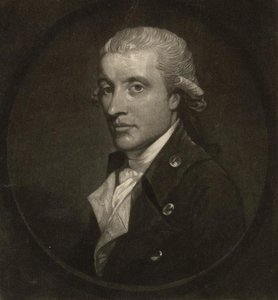
richard earlom
1743 - 1822 , United Kingdom
Quick Facts
- Artistic Movement Or Style: Neoclassical, History painting
- Artists Or Movements Influenced By This Artist: ['Royal Danish Academy']
- Artists Who Influenced This Artist:
- François Boucher
- Claude Lorrain
- Nicolas Poussin
- Johan Edvard Mandelberg
- Date Of Birth: September 11, 1743
- Date Of Death: June 4, 1809
- Full Name: Nicolai Abraham Abildgaard
- Nationality: Danish
- Notable Artworks:
- Christiansborg Frieze
- Fredensborg Hall
- Levetzau Hall
- Place Of Birth: Copenhagen, Denmark