 Preview
 Send
Send Share
Share
 Details

 Download
 Similars
 X-Ray
X-Ray Diaporama
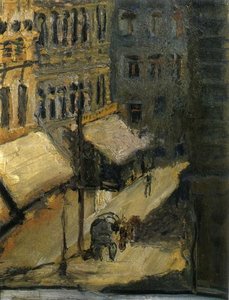
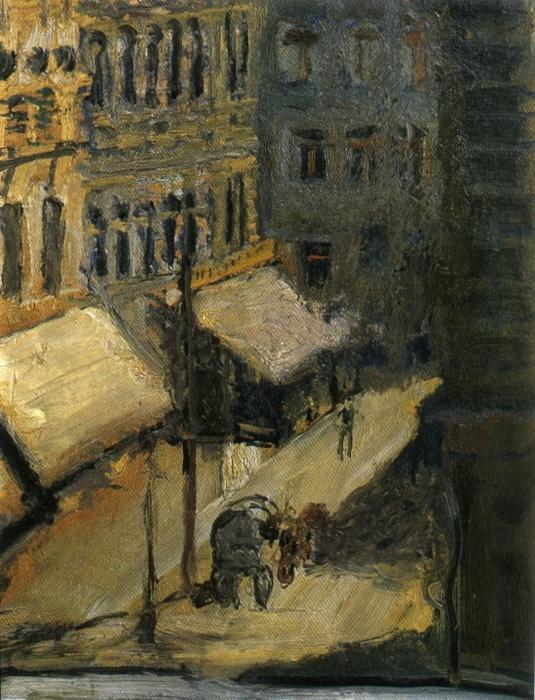
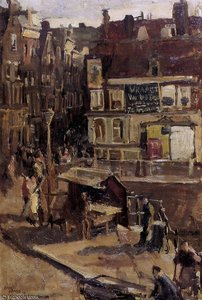
Small street (Nußdorferstraße)


 Read More
Giclée / Art Print
Museum-quality giclée or canvas print with fast production and flexible finish options. ( Buy Hand Made Painting Buy Image)




































Pick from our preset sizes that match the artwork's original proportions.

You may enter your own dimensions to fit a specific frame or space. If your selected size does not match the original image's proportions, we will either crop the artwork or extend the image with a mirrored or solid-fill edge. A digital mockup will be sent for your approval before production begins.
Please note that the on-screen preview does not reflect the actual cropping or extension. Only the mockup will accurately show the final composition.
While custom sizes are available, we recommend selecting a dimension from the predefined list to preserve the original proportions.
Worldwide Delivery () in 2 weeks instead of standard 4/5 weeks. (17 August)

Free Worldwide Express Shipping

High-Quality Linen Canvas

Full Shipping Insurance

Customs Tax Refund Guarantee

True Color Matching Guarantee

60-Day Return Policy (Defects Only)

100% Money-Back Guarantee

Bulk Discount Offer
 Glass option is only available in size under 110 CM

Small street (Nußdorferstraße)
Giclée / Art Print
Reproduction Size
-


Total Price
$ 63
Collectible Description
A Winter's Embrace: Richard Gerstl’s "Small Street (Nußdorferstraße)"
- Subject & Setting: This evocative painting captures a quintessential Viennese winter scene, depicting the Nußdorferstraße – a street in Vienna’s 19th district. The artwork focuses on the stark beauty of a snow-covered urban landscape, showcasing tall buildings lining a narrow cobblestone street blanketed in fresh snowfall. A solitary figure, bundled against the cold, walks along the path, adding a touch of human presence to the otherwise desolate scene.
Style & Technique: Impressionistic Echoes and Expressionist Undertones
- Impressionistic Influence: Gerstl’s work demonstrates a clear connection to Impressionism, particularly in his use of loose brushstrokes and an emphasis on capturing the fleeting effects of light and atmosphere. The snow isn't rendered with precise detail but rather suggested through textured layers of paint.
- Expressionistic Depth: However, "Small Street" transcends mere impressionism. Gerstl’s psychological insight and emotionally charged portrayal foreshadow Expressionist tendencies. The muted color palette – predominantly grays, whites, and browns – contributes to a sense of melancholy and isolation that goes beyond simply depicting the weather.
- Materials & Technique: Executed in oil paints on canvas, Gerstl’s technique involves layering paint, allowing it to dry slightly between applications. This creates a textured surface that enhances the visual impact of the snow and the rough stone facades of the buildings. The visible brushstrokes contribute to the painting's overall dynamism.
Historical Context & Artistic Significance
- Vienna at the Turn of the Century: Painted in 1908, this work reflects a period of significant social and artistic change in Vienna. The city was experiencing rapid urbanization and industrialization, leading to feelings of alienation and displacement among some artists and intellectuals.
- Gerstl’s Short but Impactful Career: Richard Gerstl (1883-1908) remains a tragically overlooked figure in Austrian art history. His career was cut short by his suicide at the age of 25, leaving behind a relatively small body of work that nevertheless demonstrates remarkable artistic maturity and psychological depth. He briefly studied with Gustav Klimt but developed his own distinct style.
- Influence on Expressionism: While Gerstl didn't live to witness the full development of Expressionism, his focus on subjective experience and emotional intensity anticipates many of its key characteristics. His portraits, in particular, are renowned for their penetrating psychological insight.
Symbolism & Emotional Impact
- Isolation and Urban Life: The solitary figure walking through the snow-covered street symbolizes a sense of isolation within the urban environment. The towering buildings create a feeling of enclosure, emphasizing the individual's vulnerability against the vastness of the city.
- The Power of Nature: The heavy snowfall represents the overwhelming power of nature and its ability to transform even familiar landscapes into something stark and unfamiliar. It evokes a sense of stillness and quietude, but also hints at an underlying tension.
- A Mood of Melancholy: Overall, "Small Street (Nußdorferstraße)" conveys a mood of melancholy and introspection. The painting invites viewers to contemplate the human condition in the face of urban life and the forces of nature – a poignant reflection on the complexities of modern existence.
Related Artworks
Artist Biography
Richard Gerstl: A Tragic Pioneer of Expressionism
- Born: Vienna, Austria (1883)
- Died: Vienna, Austria (1908)
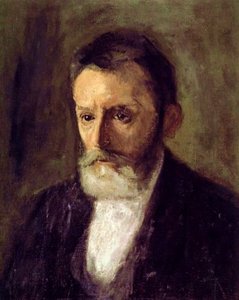
Richard Gerstl was an Austrian painter and draughtsman whose brief but intense career placed him at the forefront of early Expressionism. Despite achieving little recognition during his lifetime, he is now considered a pivotal figure in Viennese modern art, known for his psychologically insightful portraits and landscapes that anticipated later developments in German Expressionism. His life was tragically cut short by suicide following a scandalous affair, an event which profoundly impacted his contemporary Arnold Schoenberg.
Early Life and Artistic Development
Born into a prosperous Jewish merchant family, Gerstl’s early life took an unexpected turn when he declared his intention to become an artist. This decision was met with disapproval from his father, leading to a degree of familial tension. After struggling in the traditional Viennese Piaristengymnasium and being expelled for disciplinary issues, Gerstl received private tutoring while pursuing his artistic ambitions. In 1898, at fifteen, he entered the Academy of Fine Arts Vienna under the demanding Christian Griepenkerl. Gerstl quickly grew disillusioned with the academic style and the prevailing trends of the Vienna Secession, famously provoking a harsh rebuke from Griepenkerl.
Artistic Influences and Style
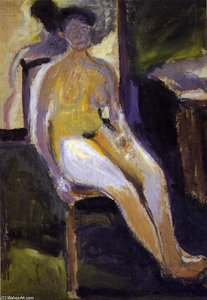
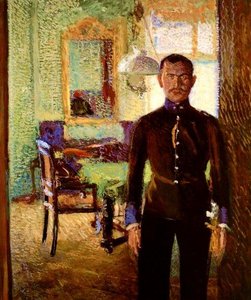
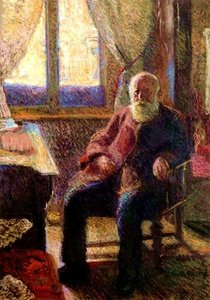
Following his departure from the Academy, Gerstl embarked on a period of self-directed study. Summers spent under Simon Hollósy in Nagybánya exposed him to more liberal artistic approaches. However, further clashes with authority, including a refusal to participate in an imperial procession, led to his expulsion from Hollósy’s studio as well. Gerstl's style was characterized by a raw intensity and psychological depth that set him apart. He rejected the decorative aesthetic of the Secession, opting instead for bold colors, distorted forms, and expressive brushwork. His portraits, in particular, reveal a keen understanding of human psychology, capturing not just physical likeness but also underlying emotional states. Influences can be seen in earlier masters, but Gerstl developed a uniquely personal style that foreshadowed Expressionism’s focus on subjective experience.
Relationships with Schoenberg and the Tragic End
Around 1907, Gerstl became associated with composers Arnold Schoenberg and Alexander von Zemlinsky, who lived in the same building. A close friendship developed between Gerstl and Schoenberg, with Gerstl reportedly instructing Schoenberg in art. This period saw Gerstl produce a series of portraits of Schoenberg, his family, and friends, including several striking depictions of Schoenberg’s wife, Mathilde. A passionate affair ensued between Gerstl and Mathilde, culminating in her departure from Schoenberg in the summer of 1908. Devastated by this loss and facing isolation and a lack of artistic recognition, Gerstl destroyed most of his personal papers and artwork in a desperate act. He subsequently hanged himself in front of a mirror, also inflicting a stab wound upon himself.
Legacy and Historical Significance
Gerstl’s suicide had a profound impact on Schoenberg, inspiring his “drama with music,” Die glückliche Hand (The Lucky Hand). For many years after his death, Gerstl's work remained largely unknown. It was not until 1930 or 1931 that art dealer Otto Kallir organized a posthumous exhibition of his paintings at the Neue Galerie in Vienna. Despite facing challenges from the rising Nazi presence in Austria, Gerstl’s reputation gradually grew, and his importance as a precursor to Expressionism became increasingly recognized. Today, approximately sixty-six paintings and eight drawings are attributed to him. His work is now celebrated for its innovative approach to portraiture and landscape painting, and his tragic life continues to fascinate art historians and enthusiasts alike. Gerstl's legacy lies in his pioneering spirit and his contribution to the development of a new artistic language that prioritized emotional expression over traditional aesthetic conventions.
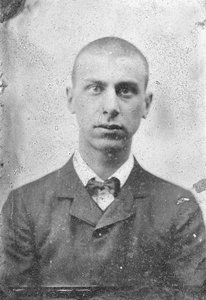
Richard Gerstl
1883 - 1908 , Austria
Quick Facts
- Artistic Movement Or Style: Expressionism
- Artists Or Movements Influenced By This Artist:
- German Expressionism
- Oskar Kokoschka
- Date Of Birth: 1883
- Date Of Death: 1908
- Full Name: Richard Gerstl
- Nationality: Austrian
- Notable Artworks:
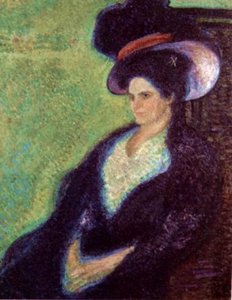
- Portrait of Mother
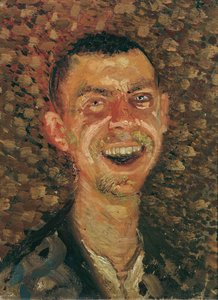
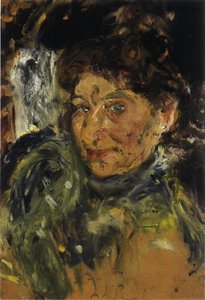
- Self-Portrait Laughing
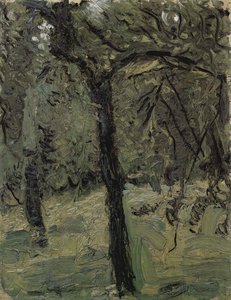
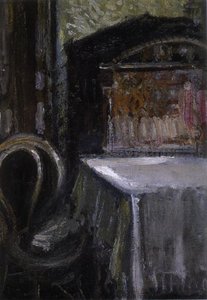
- Study of tree
- Small street (Nußdorferstraße)
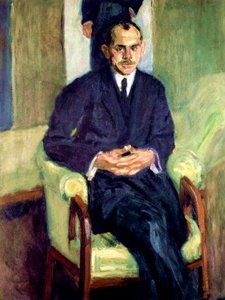
- Waldemar Unger II
- Place Of Birth (City And Country): Vienna, Austria
Related Articles

Beyond the Horizon: 10 Landscape Masterpieces for Your Home Decor
Journey through 10 breathtaking landscape paintings by Monet, Van Gogh & more! Explore iconic artworks, artistic techniques & find inspiration for your home decor. Museum-quality reproductions at ArtsDot.com. Discover all masterpieces on ArtsDot.com

Evocations of Place: A Historical Journey Through Landscape Art
Explore the rich history of landscape art with ArtsDot. Discover renowned artists, movements like Impressionism & Romanticism, and expert guidance for collecting timeless pieces. Find your perfect serene escape today!

Cézanne's Masterpieces: 25 Iconic Artworks to Transform Your Space
Journey through 25 iconic artworks by Paul Cézanne – a master of Impressionism and Post-Impressionism. Explore his landscapes, still lifes, and the stories behind these timeless masterpieces. Discover museum-quality reproductions & curated decor at ArtsDot.com.

Evocations of Place: A Historical Journey Through Landscape Art
Explore the rich history of landscape art with ArtsDot. Discover renowned artists, movements like Impressionism & tonalism, and expert guidance for collecting timeless pieces. Find your perfect serene escape today!

Impressionistic Landscapes: 10 Masterpieces That Changed Art & Decor
Journey into the heart of Impressionism! Explore 10 masterpieces by Monet, Renoir & Degas that revolutionized landscape art. Discover their stories, techniques & find museum-quality reproductions to elevate your home decor on ArtsDot.com.