 Preview
 Send
Send Share
Share
 Details

 Download
 Similars
 X-Ray
X-Ray Diaporama
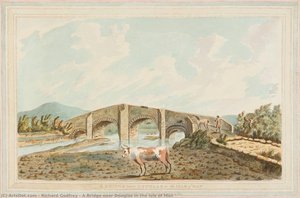
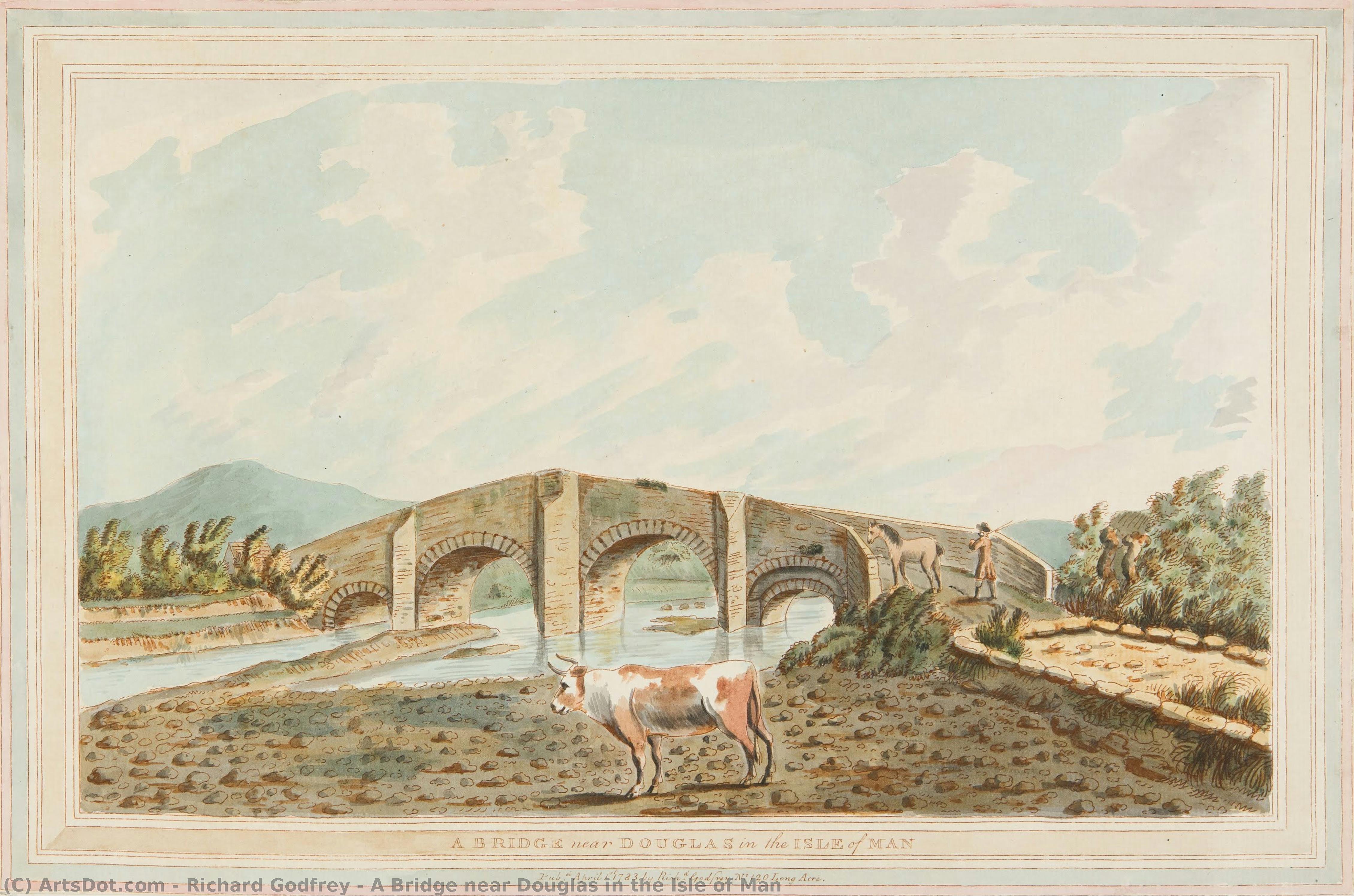
A Bridge near Douglas in the Isle of Man
 1700
1700 36.0 x 26.0 cm
 Manx National Heritage
 Read More
Hand Made Oil Reproduction
Hand-painted oil on canvas in your size and frame, made to order by our artists. ( Buy Print Buy Image)




































Pick from our preset sizes that match the artwork's original proportions.

You may enter your own dimensions to fit a specific frame or space. If your selected size does not match the original image's proportions, we will either crop the artwork or extend the painting with additional hand-painted elements. A digital mockup will be sent for your approval before production begins.
Please note that the on-screen preview does not reflect the actual cropping or extension. Only the mockup will accurately show the final composition.
While custom sizes are available, we recommend selecting a dimension from the predefined list to preserve the original proportions.
After order, ArtsDot.com team will email client for instructions and provide a mockup preview
Worldwide Delivery () in 3/4 weeks instead of standard 5 weeks. (7 September). No compromise on quality.

Free Worldwide Express Shipping

High-Quality Linen Canvas

Full Shipping Insurance

Customs Tax Refund Guarantee

True Color Matching Guarantee

100-Day Return Policy (Defects Only)

100% Money-Back Guarantee

Bulk Discount Offer
 Glass option is only available in size under 110 CM

A Bridge near Douglas in the Isle of Man
Reproduction Medium
Reproduction Size
-


Total Price
$ 263
Related Artworks









Artist Biography
The Soul of the Clay: The Artistic Journey of Richard Godfrey
In the quiet, verdant landscapes of Devon, a unique voice emerged in the British ceramics movement, one that found profound beauty in the intersection of the natural world and the humble objects of everyday life. Richard Godfrey (1949–2014) was not merely a potter; he was a visual storyteller who used white earthenware as his canvas to capture the vibrant essence of his surroundings. His journey began with formal rigor at the Bristol School of Art, where graduating in 1972 under the influential guidance of Gillian Lowndes, he developed a technical foundation that would later support his more experimental and whimsical explorations. This early training instilled in him a respect for the medium's structural integrity, even as his creative spirit sought to break free from traditional boundaries.
The years between 1973 and 1981 marked a period of profound personal and professional synthesis. Serving as the Head of Art and Deputy Headmaster at Battisborough International School, Godfrey lived in a state of constant observation. This role, deeply connected to the educational philosophy of Kurt Hahn, fostered a deep-seated connection with nature that would become the heartbeat of his studio practice. It was during these formative years that he began to cultivate an eye for the found object—the discarded, the weathered, and the overlooked—seeing in them a latent aesthetic power waiting to be resurrected through fire and glaze.
Technique and the Alchemy of Color
Godfrey’s mastery lay in his ability to blend the disciplined art of throwing on the wheel with the spontaneous, tactile nature of hand-building. His work was characterized by a striking use of composite underglaze patterns, which allowed him to infuse his earthenware with a kaleidoscope of colors. These were not merely decorative flourishes; they were rhythmic, energetic applications that gave his pieces a sense of life and movement. One of the most enchanting aspects of his repertoire was his approach to teapots, where he utilized non-traditional press-molding techniques, sometimes even employing cut cardboard boxes to shape his forms, bridging the gap between high art and folk ingenuity.
The tactile quality of his work often invited a sense of joy and whimsy. As the potter Hannah McAndrew so poignantly described, his creations were like "bright beasts, immaculately made, vibrant and smiling." This duality—the precision of his execution paired with the exuberant spirit of his designs—is what set him apart in the crowded landscape of contemporary British studio pottery. Whether working with the simplicity of white earthenware or complex, multi-layered textures, Godfrey remained committed to an honesty of material that resonated with both critics and collectors alike.
Legacy and Recognition
Throughout his career, Godfrey’s contributions to the ceramic arts were recognized on both national and international stages. His ability to command attention through color and form earned him prestigious accolades, including:
- The Bronze Award at the European Ceramics Competition in Athens (2004), which solidified his standing within the global ceramics community.
- The Valentine Clays Peers Award for Best Contribution at the Art in Clay Festival in 2013, a distinction voted upon by his fellow artists and professionals.
- A Fellowship with the Craft Potters Association, reflecting his deep integration into the fabric of British craft heritage.
Beyond the physical objects he left behind, Godfrey’s legacy lives on in the way he taught us to look at the world. He demonstrated that art is not found only in the grand or the monumental, but in the careful observation of a leaf, the texture of a stone, or the unexpected shape of a piece of refuse. Through his television documentaries and wide-reaching exhibitions, he shared this philosophy of mindful creation, ensuring that his vibrant, smiling "beasts" would continue to inspire future generations of potters to find the extraordinary within the ordinary.
richard godfrey
1949 - 2014 , United Kingdom
Quick Facts
- Artistic Movement Or Style: Studio Pottery
- Artists Or Movements Influenced By This Artist: ['Contemporary Ceramics']
- Artists Who Influenced This Artist: ['Gillian Lowndes']
- Date Of Birth: 1949
- Date Of Death: 2014
- Full Name: Richard Godfrey
- Nationality: English
- Notable Artworks: ['Composite Underglaze']
- Place Of Birth: United Kingdom