 Preview
 Send
Send Share
Share
 Details

 Download
 Similars
 X-Ray
X-Ray Diaporama
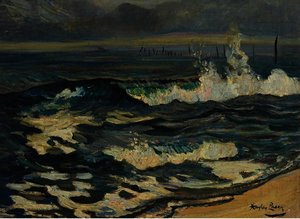
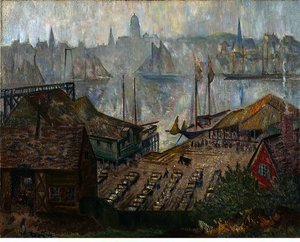
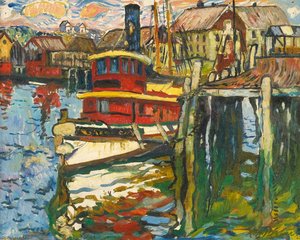
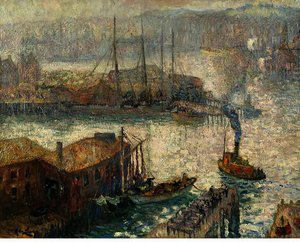
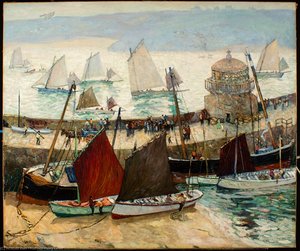
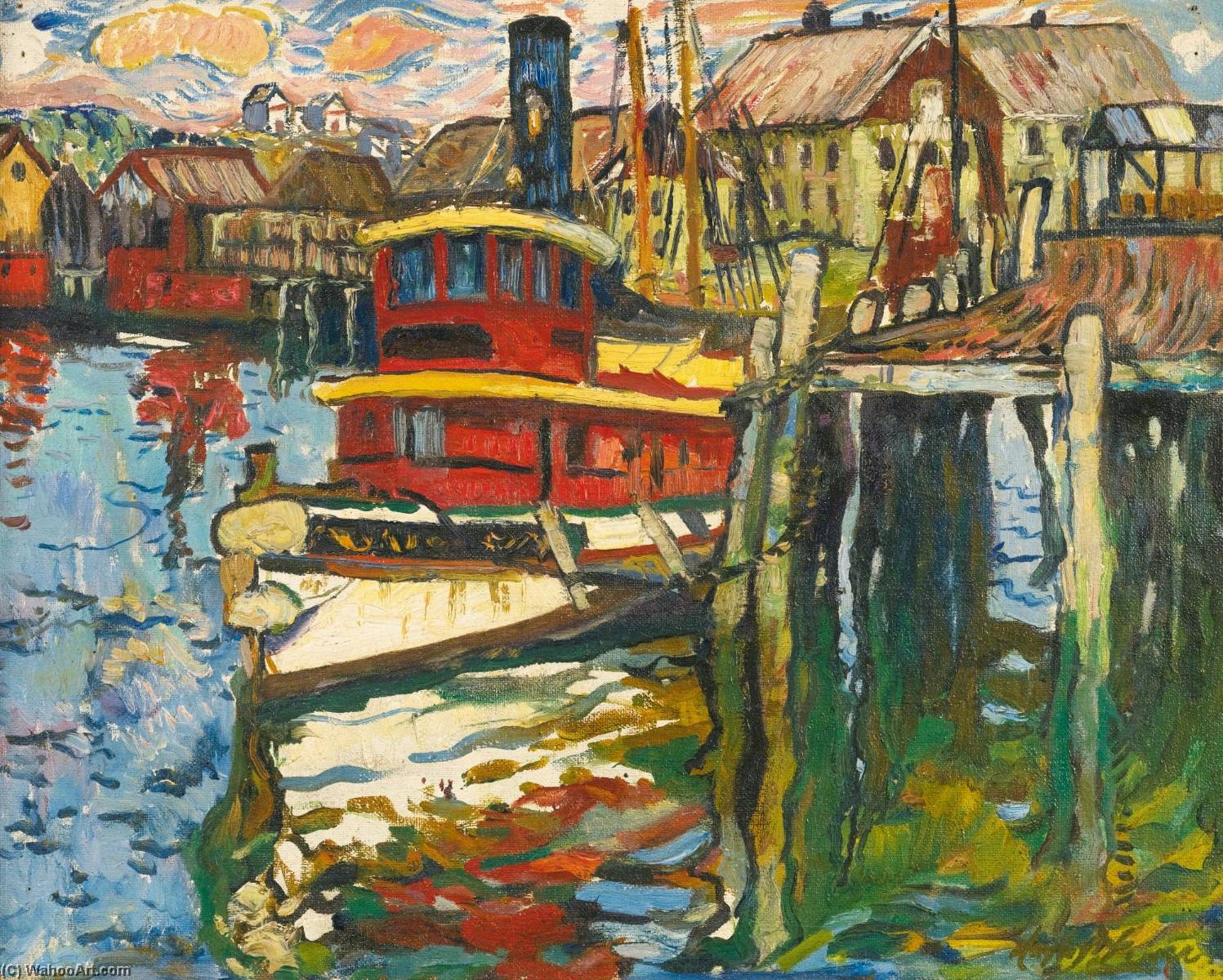
Gloucester, Massachusetts
 41.0 x 51.0 cm
 Read More
Hand Made Oil Reproduction
Hand-painted oil on canvas in your size and frame, made to order by our artists. ( Buy Print Buy Image)




































Pick from our preset sizes that match the artwork's original proportions.

You may enter your own dimensions to fit a specific frame or space. If your selected size does not match the original image's proportions, we will either crop the artwork or extend the painting with additional hand-painted elements. A digital mockup will be sent for your approval before production begins.
Please note that the on-screen preview does not reflect the actual cropping or extension. Only the mockup will accurately show the final composition.
While custom sizes are available, we recommend selecting a dimension from the predefined list to preserve the original proportions.
After order, ArtsDot.com team will email client for instructions and provide a mockup preview
Worldwide Delivery () in 3/4 weeks instead of standard 5 weeks. (17 August). No compromise on quality.

Free Worldwide Express Shipping

High-Quality Linen Canvas

Full Shipping Insurance

Customs Tax Refund Guarantee

True Color Matching Guarantee

60-Day Return Policy (Defects Only)

100% Money-Back Guarantee

Bulk Discount Offer
 Glass option is only available in size under 110 CM

Gloucester, Massachusetts
Reproduction Medium
Reproduction Size
-


Total Price
$ 263
Related Artworks


Artist Biography
A Life Painted in Light: Richard Hayley Lever and the Pursuit of Atmospheric Impressionism
Richard Hayley Lever, born in Bowden, South Australia in 1876, embarked on a journey that would carry him across continents and immerse him in the evolving currents of Post-Impressionist painting. His story is one of relentless artistic exploration, fueled by an early talent nurtured at Prince Alfred College under James Ashton and further honed within the vibrant art communities of England, France, and ultimately, America. Lever wasn’t merely a painter; he was a seeker of light, atmosphere, and the emotional resonance embedded within landscapes and marine scenes. The inheritance received after his maternal grandfather's death in 1882 provided the crucial opportunity for him to pursue formal training abroad, setting the stage for a career defined by both technical skill and an increasingly personal artistic vision.From Cornish Shores to Parisian Studios: Early Influences and Development
Lever’s initial foray into the art world led him to St. Ives, Cornwall in 1899—a fishing port already renowned as a haven for marine painters like Julius Olsson. This proved pivotal. He shared studio space with Frederick Judd Waugh and absorbed techniques from both Olsson and Algernon Talmage, figures who championed capturing the raw energy of the sea. The Cornish coast became his initial canvas, imbued with the spirit of Impressionism but already hinting at a bolder approach to color and form. A subsequent period in France, specifically in Douarnenez and Concarneau, Brittany, further solidified his understanding of light and its transformative power on the landscape. These early works demonstrate a commitment to *plein air* painting—a dedication to capturing the immediacy of observation directly from nature. However, Lever wasn’t content with mere replication; he sought to convey not just what he saw, but how it *felt*. A return trip to Adelaide in 1904 allowed him to exhibit and teach, briefly grounding him within his native Australia before a renewed pull towards Europe and the burgeoning artistic movements taking shape there. His marriage to Aida Smith Gale in St. Ives in 1906 marked a period of personal stability that coincided with an intensification of his artistic exploration, culminating in the evocative “Van Gogh’s Hospital, Holland” series of 1908—a clear indication of the profound influence Van Gogh's expressive use of color and emotion had on his developing style.The American Embrace: Finding a Voice in New England
A turning point arrived in 1911 when Ernest Lawson, an American Impressionist painter, encouraged Lever to relocate to the United States. Arriving in New York City in 1912, he initially focused on urban scenes—the bustling energy of Times Square and the serene expanse of Central Park. Yet, it was the discovery of the American East Coast, particularly Gloucester, Massachusetts, that truly ignited his artistic passion. He spent several summers painting there and at Marblehead, captivated by the rugged beauty of the coastline and the vibrant light reflecting off the water. This period saw Lever fully integrate into a circle of influential artists—Robert Henri, William Glackens, John Sloan, and George Bellows—who championed realism and direct engagement with American life. While exhibiting alongside these figures, he maintained his distinct voice, developing a spontaneous, bold style that blended Impressionistic techniques with a heightened sense of emotional intensity.Teaching and Legacy: A Philosophy of “Having a Good Time”
From 1919 to 1931, Lever dedicated himself to teaching at the Art Students League of New York, establishing a studio in Gloucester and continuing his travels throughout New England, Nantucket, and Martha’s Vineyard. His pedagogical approach was remarkably free-spirited, encapsulated by his belief that “Art is the re-creation of mood in line, form and color” and the simple yet profound assertion: “If I were confined to my own back yard for the rest of my life, I'd still have more pictures in my mind than I would have time to paint. Art is nothing but having a good time.” This philosophy encouraged his students to find inspiration within themselves and their surroundings, prioritizing emotional expression over rigid technique. Lever’s work gained recognition through numerous exhibitions—including the Pennsylvania Academy of Fine Arts Annual, Corcoran Gallery biennials, and the National Academy of Design—and found its way into prominent collections such as those of the Metropolitan Museum of Art, Brooklyn Museum, and even the White House, where he was commissioned to paint a portrait of the presidential yacht USS Mayflower in 1924.A Lasting Impression: Richard Hayley Lever’s Historical Significance
Richard Hayley Lever died in Mount Vernon, New York, in 1958, leaving behind a rich body of work that reflects his lifelong pursuit of atmospheric impressionism. He wasn't simply replicating scenes; he was translating emotions onto canvas—the power of the sea, the warmth of sunlight, the quiet beauty of coastal landscapes. His ability to blend Impressionistic techniques with a uniquely personal and expressive style cemented his place within American art history. Lever’s legacy lies not only in the captivating beauty of his paintings but also in his unwavering commitment to artistic freedom and the joy of creation. He stands as a testament to the enduring power of observation, emotion, and the transformative potential of light—a painter who truly lived and breathed the landscapes he so passionately depicted.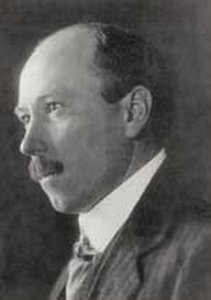
richard hayley lever
1876 - 1958
Quick Facts
- Artistic Movement Or Style: Post-Impressionism
- Artists Who Influenced This Artist:
- Vincent Van Gogh
- Julius Olsson
- Date Of Birth: September 28, 1876
- Date Of Death: December 6, 1958
- Full Name: Richard Hayley Lever
- Nationality: Australian/American
- Notable Artworks:
- Van Gogh's Hospital
- Swimming Hole
- Sunset on the Bay
- Place Of Birth: Bowden, Australia