 Preview
 Send
Send Share
Share
 Details

 Download
 Similars
 X-Ray
X-Ray Diaporama
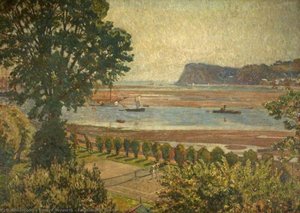
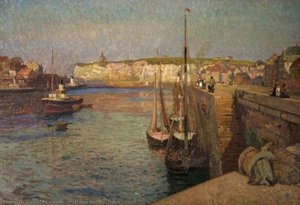
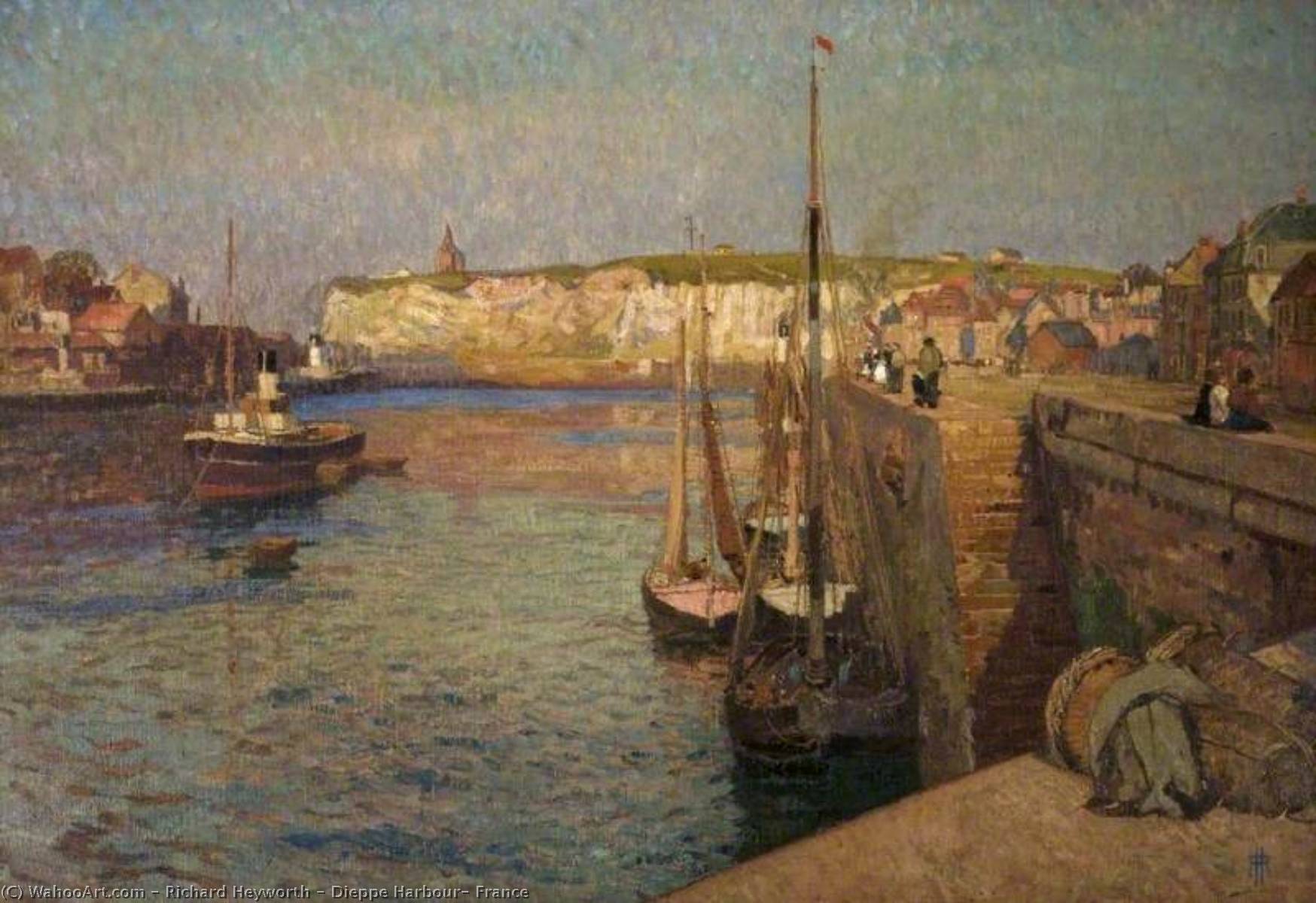
Dieppe Harbour, France
 105.0 x 153.0 cm
 Read More
Hand Made Oil Reproduction
Hand-painted oil on canvas in your size and frame, made to order by our artists. ( Buy Print Buy Image)




































Pick from our preset sizes that match the artwork's original proportions.

You may enter your own dimensions to fit a specific frame or space. If your selected size does not match the original image's proportions, we will either crop the artwork or extend the painting with additional hand-painted elements. A digital mockup will be sent for your approval before production begins.
Please note that the on-screen preview does not reflect the actual cropping or extension. Only the mockup will accurately show the final composition.
While custom sizes are available, we recommend selecting a dimension from the predefined list to preserve the original proportions.
After order, ArtsDot.com team will email client for instructions and provide a mockup preview
Worldwide Delivery () in 3/4 weeks instead of standard 5 weeks. (26 August). No compromise on quality.

Free Worldwide Express Shipping

High-Quality Linen Canvas

Full Shipping Insurance

Customs Tax Refund Guarantee

True Color Matching Guarantee

60-Day Return Policy (Defects Only)

100% Money-Back Guarantee

Bulk Discount Offer
 Glass option is only available in size under 110 CM

Dieppe Harbour, France
Reproduction Medium
Reproduction Size
-


Total Price
$ 288
Related Artworks









Artist Biography
The Luminous Legacy of Richard Heyworth
Richard Heyworth (1862 – 1941) stands as a significant figure in British landscape painting during the late Victorian era, particularly renowned for his meticulous depictions of rural England alongside an unexpected fascination with zoological illustration. While often overshadowed by contemporaries like Turner and Constable, Heyworth’s distinctive style—characterized by luminous color palettes and atmospheric perspective—offers a compelling glimpse into the artistic sensibilities of his time and reflects broader intellectual currents concerning scientific inquiry and aesthetic appreciation of nature.
Born in 1862, Richard Heyworth descended from a family with established connections to the Norfolk gentry. His father, Sir Richard Pease, was a prominent industrialist involved in coal mining ventures—a lineage that instilled in him an understanding of both social responsibility and practical observation. Recognizing his artistic talent early on, Heyworth pursued formal training at the Slade School of Fine Art in London, where he honed his skills under influential instructors like Frederic Leighton and William Holman Hunt. This grounding in academic tradition provided a framework for developing his distinctive visual language—one that prioritized accuracy alongside expressive beauty.
A Mastery of Light and Atmosphere
Heyworth’s artistic output firmly rooted itself within the Romantic landscape movement, inheriting its preoccupation with sublime vistas and emotional response to natural grandeur. Influenced by Turner's pioneering explorations of light and color, Heyworth skillfully employed atmospheric perspective to convey depth and luminosity—techniques that captured the ethereal qualities of English countryside scenes. His ability to manipulate light allowed him to transform ordinary landscapes into poetic meditations on time and nature.
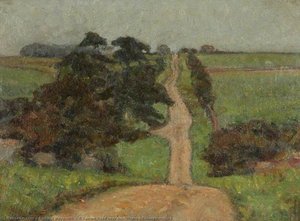
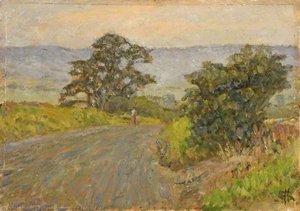
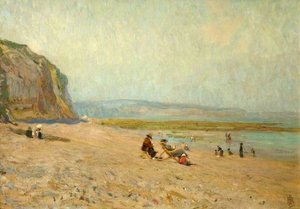
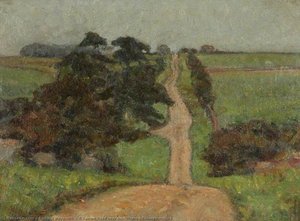
His works often capture a sense of quietude and temporal stillness. In masterpieces such as The Beach, Dieppe, he presents a tranquil coastal landscape bathed in diffused sunlight, reflecting the delicate interplay between sea and sky. Similarly, his depictions of more structured environments, such as Dieppe Harbour, France or A Roman Road near Northleach, Gloucestershire, demonstrate a profound ability to balance the ruggedness of historical terrain with a soft, painterly touch that invites the viewer into a state of contemplative wonder.
The Intersection of Art and Observation
Beyond the sweeping vistas of the English countryside, Heyworth’s oeuvre is marked by a unique duality. While his landscapes speak to the Romantic tradition, his work also reveals a disciplined eye for detail that suggests a deep connection to the natural sciences. This intersection of the aesthetic and the empirical is what defines his historical significance.
The breadth of his subject matter can be seen in the variety of his compositions:
- Coastal Serenity: Capturing the shifting light and salt-misted air of the French coastline.
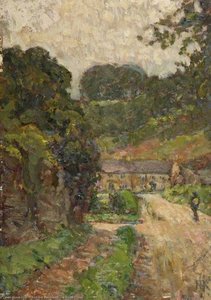
- Rural Nostalgia: Recreating the charm of English village life and ancient pathways through works like Village Scene.
- Topographical Precision: Merging the beauty of the landscape with a keen interest in the structural elements of the earth, such as Roman roads and harbors.
Ultimately, the work of Richard Heyworth serves as a bridge between the grand traditions of the past and the burgeoning scientific curiosity of the modern age. His paintings remain enduring testaments to a period when the artist's brush was used not only to capture beauty but to document the intricate, breathing reality of the natural world.
richard heyworth
1862 - 1941
Quick Facts
- Artistic Movement Or Style: Romantic Landscape Painting
- Artists Or Movements Influenced By This Artist: ['Hudson River School']
- Artists Who Influenced This Artist: ['William Trost Richards']
- Date Of Birth: 1862
- Full Name: Richard Heyworth
- Nationality: British
- Notable Artworks: ['The Beach, Dieppe']
- Place Of Birth: England