 Preview
 Send
Send Share
Share
 Details

 Download
 Similars
 X-Ray
X-Ray Diaporama
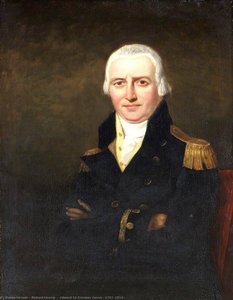
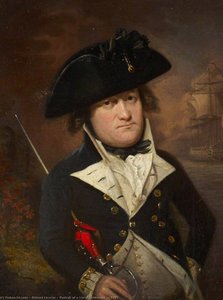
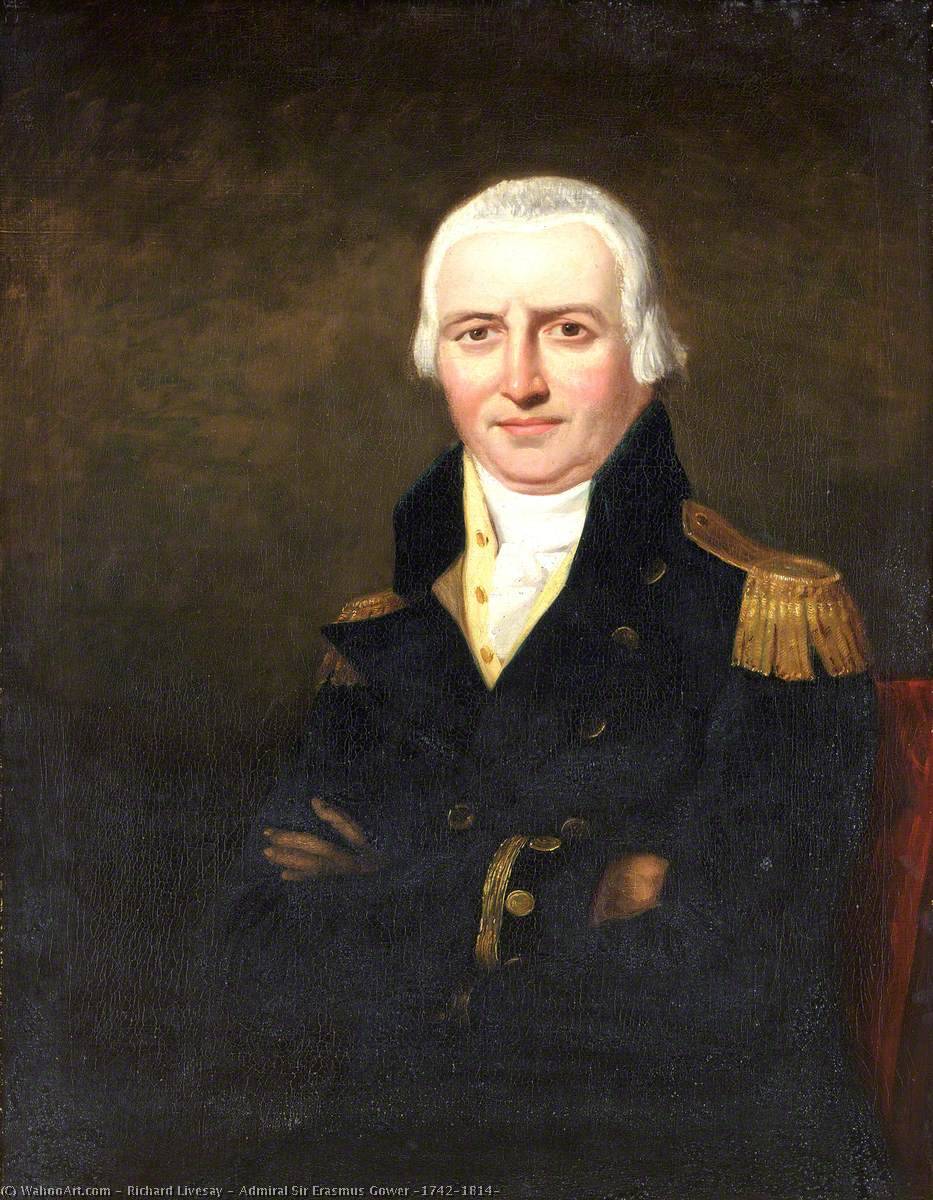
Admiral Sir Erasmus Gower (1742–1814)
 1799
1799 102.0 x 76.0 cm
 Read More
Hand Made Oil Reproduction
Hand-painted oil on canvas in your size and frame, made to order by our artists. ( Buy Print Buy Image)




































Pick from our preset sizes that match the artwork's original proportions.

You may enter your own dimensions to fit a specific frame or space. If your selected size does not match the original image's proportions, we will either crop the artwork or extend the painting with additional hand-painted elements. A digital mockup will be sent for your approval before production begins.
Please note that the on-screen preview does not reflect the actual cropping or extension. Only the mockup will accurately show the final composition.
While custom sizes are available, we recommend selecting a dimension from the predefined list to preserve the original proportions.
After order, ArtsDot.com team will email client for instructions and provide a mockup preview
Worldwide Delivery () in 3/4 weeks instead of standard 5 weeks. (25 August). No compromise on quality.

Free Worldwide Express Shipping

High-Quality Linen Canvas

Full Shipping Insurance

Customs Tax Refund Guarantee

True Color Matching Guarantee

60-Day Return Policy (Defects Only)

100% Money-Back Guarantee

Bulk Discount Offer
 Glass option is only available in size under 110 CM

Admiral Sir Erasmus Gower (1742–1814)
Reproduction Medium
Reproduction Size
-


Total Price
$ 263
Related Artworks







Artist Biography
Richard Livesay (1750–1826): A Painter of Royal Portraits and Eton Boys
Richard Livesay was a British portrait painter and engraver who achieved considerable renown during the Georgian era, primarily celebrated for his depictions of prominent figures – particularly members of the royal family and students at Eton College. His artistic legacy extends beyond mere likenesses; Livesay’s meticulous technique and sensitivity to detail established him as one of the leading artists of his time.
Born in Exeter around 1750, Livesay's early life remains somewhat obscure, though he received instruction from Benjamin West, a pivotal figure in British art history. This formative relationship profoundly shaped Livesay’s artistic sensibilities and propelled him towards a career dedicated to capturing the grandeur of aristocratic society.
Livesay began his professional journey in London, establishing himself as a draughtsman for West and quickly gaining recognition within the Royal Academy. His debut exhibition in 1776 marked the commencement of an illustrious artistic career characterized by commissions from influential patrons – including members of the aristocracy and the clergy – who sought to immortalize their status through portraiture.
His association with Jane Hogarth, whose husband William Hogarth was a celebrated satirist, proved particularly fruitful. Livesay collaborated closely with Hogarth on a series of facsimiles of Hogarth’s drawings, demonstrating his mastery of artistic replication and furthering his reputation as a skilled craftsman. This partnership cemented his position within the London art scene and solidified his commitment to preserving and disseminating artistic heritage.
Livesay's artistic output encompassed both portraiture and landscape painting, reflecting the broader trends of Georgian aesthetics. However, he is best remembered for his captivating portrayals of Eton boys – a genre that captured the spirit of youthful idealism and intellectual curiosity. His depictions of Eton students are notable for their precision and emotional resonance, conveying not only physical likeness but also psychological insight.
Among Livesay’s most celebrated achievements were his commissions from Queen Charlotte and Sir Erasmus Gower, admiral of the British Navy. These portraits exemplify Livesay's ability to convey dignity and authority through subtle artistic nuances—a testament to his technical prowess and artistic vision. Furthermore, his involvement in documenting the Eton boys’ annual review solidified his contribution to educational art history.
Livesay’s influence extended beyond his immediate contemporaries; he mentored younger artists and disseminated his knowledge of drawing techniques, fostering a tradition of excellence within British painting. His meticulous attention to detail and unwavering dedication to capturing the essence of his subjects ensured that Livesay's work continues to inspire admiration and scholarly study today.
Livesay died in Southsea in 1826, leaving behind a substantial body of artistic output—primarily portraits and landscapes—that reflects the cultural landscape of his era. His legacy resides not only in his individual masterpieces but also in his role as a teacher and innovator who helped shape the trajectory of British art.
richard livesay
1750 - 1823
Quick Facts
- Artistic Movement Or Style: Portrait Painting
- Artists Or Movements Influenced By This Artist: ['Romanticism']
- Artists Who Influenced This Artist: ['Benjamin West']
- Date Of Death: 1826
- Full Name: Richard Livesay
- Nationality: British
- Notable Artworks:
- Theobald Wolfe, Esquire
- Eton Boys going to Montem