

 Preview
 Send
Send Share
Share
 Details

 Download
 Similars
 X-Ray
X-Ray Diaporama
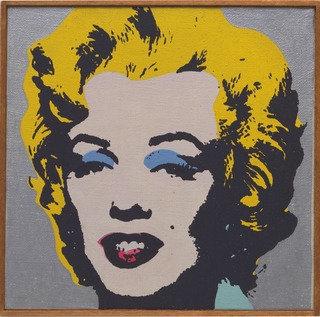
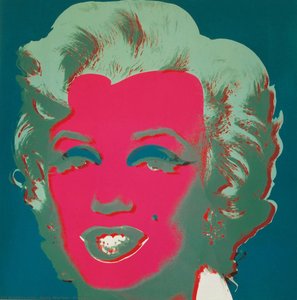
Andy Warhol, Marilyn Monroe, 1964
 1968
1968 13.0 x 13.0 cm
 Read More
Purchase a high-resolution, enhanced digital image, far superior to the online preview.
Each file is meticulously prepared by our in-house specialists using advanced tools and expert manual retouching. We ensure every image has exceptional clarity, precise color accuracy, and fine detail.
The final file is delivered via email within 72 hours, optimized for immediate use in professional, editorial, and print environments. This is the same quality trusted by top-tier design studios, publishers, and galleries.
Digital Image
Download a high-resolution file for personal display, printing, and creative projects. ( Buy Print Buy Hand Made Painting)
Included in Every Digital Image Order
Expert Digital Delivery, Guaranteed
When you choose ArtsDot.com, you're not just getting an image - you're receiving a professionally enhanced digital artwork, crafted with precision and backed by a satisfaction guarantee. Here's everything that comes with your order, automatically:

Fast Email Delivery
Your high-resolution digital image file will be emailed to you within 72 hours of ordering - ready for immediate use.

AI-Enhanced Digital File
Your artwork is professionally optimized using advanced AI tools and manual editing, ensuring maximum detail, clarity, and color accuracy.

Free Lifetime Re-Delivery
Accidentally deleted or lost your file? No worries - we'll resend it to you anytime, free of charge.

No Import Fees - Ever
Enjoy your artwork instantly with zero customs, duties, or delivery fees - digital downloads are always tax-free.

Color Accuracy Guarantee
We ensure your digital image reflects the original colors as closely as possible using professional tools and color management.

60-Day Satisfaction Guarantee
If you're not satisfied with your digital image, we'll revise it or refund 100% within 60 days - no questions asked.

100% Money-Back Guarantee
Not satisfied? Get a full refund within 60 days of receiving your digital file - no questions asked.

Bulk Order Discounts
Buy 3 images, save 10% - Buy 5, save 15% - Buy 10+, save 20%. Great for creative projects, galleries, and agencies.
Related Artworks
Artist Biography
Early Life and the Seeds of Subversion
Richard Pettibone emerged onto the art scene in 1938, a period steeped in pre-war anxieties that would subtly inform his later work. Though biographical details remain somewhat elusive – Pettibone himself has maintained a degree of privacy throughout his career – it’s clear his formative years were marked by an observant eye and a burgeoning skepticism towards established norms. He didn't come from a traditional art background, which perhaps contributed to the radical nature of his approach. Instead of formal training, he developed a unique visual language rooted in comic books, advertising imagery, and the pervasive culture of post-war America. This early exposure wasn’t merely aesthetic; it was a critical engagement with the very fabric of American society, its aspirations, and its underlying contradictions. He began to meticulously copy images from popular sources, but these weren't simple reproductions. They were acts of appropriation, subtly altered and imbued with a subversive energy that questioned their original context. This early practice laid the foundation for his signature style – small-scale paintings that pack a powerful punch through precise execution and pointed commentary.The Rise of Pop Art and Pettibone’s Distinct Voice
Pettibone found himself at the epicenter of the burgeoning Pop Art movement in the 1960s, alongside figures like Andy Warhol, Roy Lichtenstein, and Claes Oldenburg. However, while his contemporaries often celebrated consumer culture with a detached irony, Pettibone's approach was more pointedly critical. He wasn’t simply reflecting the world; he was dissecting it, exposing its vulnerabilities and hypocrisies. His paintings, typically small in scale – often mirroring the size of comic book panels – featured iconic imagery from American popular culture: superheroes, advertisements, and scenes from everyday life. But these images were rarely presented as straightforward celebrations. They were frequently fragmented, distorted, or juxtaposed with unsettling elements, creating a sense of unease and questioning the very narratives they represented.- A Keen Observer: Pettibone’s work often focused on themes of violence, mortality, and social control, subjects rarely addressed so directly within the Pop Art framework.
- Small Scale, Big Impact: The diminutive size of his paintings forced viewers to confront the imagery intimately, intensifying its psychological impact.
- Appropriation as Critique: His meticulous copying and alteration of existing images served as a powerful form of social commentary.
Themes of Violence, Mortality and Social Control
A recurring motif in Pettibone's oeuvre is the exploration of violence – not necessarily graphic depictions, but rather the subtle ways it permeates American society. He frequently depicted scenes of conflict, often drawn from comic books or historical events, but presented with a detached, almost clinical precision. This lack of emotional overture served to heighten the unsettling nature of the imagery, forcing viewers to confront the brutality beneath the surface of everyday life. Equally prominent is his preoccupation with mortality. Images of death and decay appear throughout his work, often juxtaposed with symbols of American optimism and progress. This juxtaposition creates a powerful tension, questioning the very foundations of the American Dream. He wasn’t simply depicting death as an end; he was exploring its presence within the cultural landscape, its impact on individual psychology, and its role in shaping societal values. Furthermore, Pettibone consistently addressed themes of social control – the ways in which power structures manipulate individuals and maintain order. His paintings often feature images of authority figures or scenes of surveillance, subtly hinting at the pervasive nature of control mechanisms within American society.Legacy and Historical Significance
Richard Pettibone’s contribution to Pop Art extends beyond his distinctive style and critical engagement with American culture. He challenged the conventional boundaries of the movement, pushing its thematic concerns into darker, more unsettling territory. While Warhol often focused on celebrity and consumerism, and Lichtenstein on the aesthetics of comic books, Pettibone delved into the psychological and social implications of these phenomena. His work anticipated many of the concerns that would come to dominate contemporary art in the decades that followed – issues of identity, power, and representation. Pettibone’s influence can be seen in the work of numerous artists who explore themes of appropriation, critique, and social commentary. He demonstrated the power of small-scale paintings to convey complex ideas and challenge established norms. His legacy lies not only in his iconic imagery but also in his unwavering commitment to questioning the very fabric of American society. He remains a vital figure in the history of Pop Art, a subversive voice who continues to resonate with audiences today.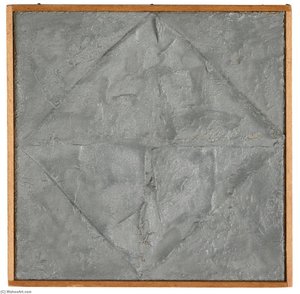
richard pettibone
1938 -

