 Preview
 Send
Send Share
Share
 Details

 Download
 Similars
 X-Ray
X-Ray Diaporama
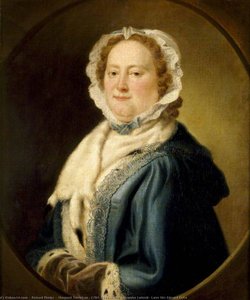
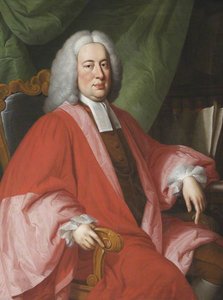
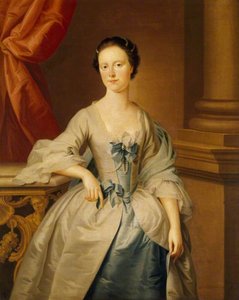
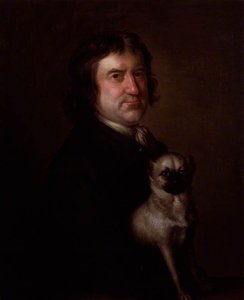
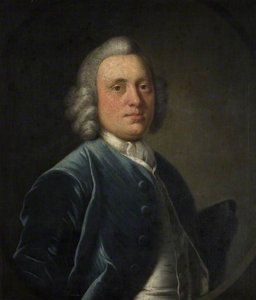
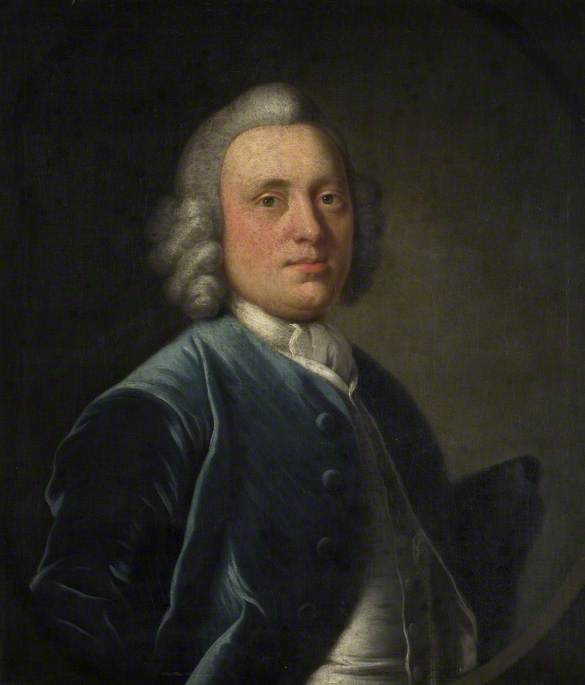
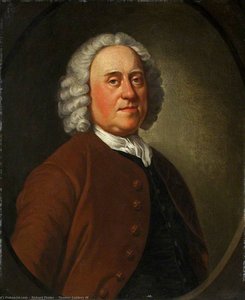
Portrait of an Unknown Gentleman
 1751
1751 76.0 x 64.0 cm
 Read More
Hand Made Oil Reproduction
Hand-painted oil on canvas in your size and frame, made to order by our artists. ( Buy Print Buy Image)




































Pick from our preset sizes that match the artwork's original proportions.

You may enter your own dimensions to fit a specific frame or space. If your selected size does not match the original image's proportions, we will either crop the artwork or extend the painting with additional hand-painted elements. A digital mockup will be sent for your approval before production begins.
Please note that the on-screen preview does not reflect the actual cropping or extension. Only the mockup will accurately show the final composition.
While custom sizes are available, we recommend selecting a dimension from the predefined list to preserve the original proportions.
After order, ArtsDot.com team will email client for instructions and provide a mockup preview
Worldwide Delivery () in 3/4 weeks instead of standard 5 weeks. (20 August). No compromise on quality.

Free Worldwide Express Shipping

High-Quality Linen Canvas

Full Shipping Insurance

Customs Tax Refund Guarantee

True Color Matching Guarantee

60-Day Return Policy (Defects Only)

100% Money-Back Guarantee

Bulk Discount Offer
 Glass option is only available in size under 110 CM

Portrait of an Unknown Gentleman
Reproduction Medium
Reproduction Size
-


Total Price
$ 263
Related Artworks
Artist Biography
Richard Phelps (1710-1785): A Portraitist of Somerset’s Gentry
Richard Phelps was a singular figure in the artistic landscape of 18th-century England, primarily recognized for his meticulous portraiture and significant contributions to landscape design—particularly at Dunster Castle. Born around 1710, Phelps emerged from Porlock, Somerset, establishing himself as a respected artist whose career spanned decades and yielded an impressive body of work encompassing portraits, landscapes, and decorative commissions. His artistic journey began under the tutelage of Thomas Hudson and Sir Joshua Reynolds, two titans of British painting who instilled in him foundational principles of observation and technique—skills that would define his distinctive style.- Early Training & Influences: Phelps’s formative years were spent honing his craft alongside Reynolds and Hudson, absorbing the stylistic nuances of Rococo and Neoclassical aesthetics. These masters championed idealized beauty and dramatic composition, shaping Phelps's artistic sensibilities profoundly.
- Dunster Castle Legacy: Perhaps Phelps’s most enduring achievement lies in his revitalization of Dunster Castle’s grounds for Henry Fownes Luttrell. He undertook a monumental task—transforming the castle’s sprawling estate into a harmonious blend of formal gardens and picturesque landscapes, reflecting the grandeur of Luttrell Manor and establishing Phelps as a leading landscape designer of his time.
- Portraiture & Patronage: Phelps cultivated relationships with prominent families across Somerset and beyond, securing commissions to depict members of the gentry—a genre characterized by its emphasis on dignity, restraint, and psychological insight. His portraits captured not merely likenesses but also conveyed character and social status, cementing his reputation as a skilled portraitist.
- Notable Works & Exhibitions: Phelps’s oeuvre includes celebrated canvases such as “Bampfylde Moore Carew,” engraved by Faber—a testament to his artistic prowess and the esteem in which he was held by fellow artists and connoisseurs. He exhibited regularly at the Society of Artists in London, showcasing his diverse talents and furthering his artistic visibility.
- Legacy & Recognition: Phelps’s meticulous drawings—including depictions of George, Thomas, Mrs Mary Carew, and Elizabeth Carew Bernard—are housed in the British Museum's extensive album, representing a remarkable record of his artistic output. His work continues to inspire admiration for its elegance, precision, and sensitivity to natural beauty.
A Landscape Designer Shaping Somerset’s Estate
Beyond his portraiture, Phelps possessed considerable skill in landscape design, notably demonstrated during his involvement with Dunster Castle. He skillfully blended formal gardens—designed for visual impact and social prestige—with informal landscapes that celebrated the region's natural splendor. This harmonious fusion exemplifies Phelps’s artistic vision—one rooted in observation, understanding of aesthetics, and a desire to elevate the environment.
The British Museum Album: A Treasure Trove of Drawings
- Composition & Technique: Phelps's drawings reveal an exceptional command of line and tonal gradation, reflecting Reynolds’s influence. His meticulous attention to detail—evident in sketches of John Popham—underscores his dedication to capturing the essence of his subjects with accuracy and nuance.
- Subjects & Themes: The British Museum album showcases Phelps's artistic range—spanning portraits of noblemen, self-portraits, landscapes imbued with atmospheric perspective, and genre scenes depicting everyday life. These works offer invaluable insights into the visual culture of the era.
Connections & Collaborations
Phelps’s artistic pursuits intersected with influential figures of his time—including Henry Luttrell and George Frideric Handel. His correspondence reveals a keen engagement with intellectual currents and artistic debates, demonstrating his role as a participant in the broader cultural landscape of 18th-century Britain.
richard phelps
1710 - 1785
Quick Facts
- Artistic Movement Or Style: Portraiture
- Artists Or Movements Influenced By This Artist: ['Highmore']
- Artists Who Influenced This Artist:
- Thomas Hudson
- Sir Joshua Reynolds
- Date Of Death: 1785
- Full Name: Richard Phelps
- Nationality: English
- Notable Artworks: ['Bampfylde Moore Carew']
- Place Of Birth: Porlock, England