 Preview
 Send
Send Share
Share
 Details

 Download
 Similars
 X-Ray
X-Ray Diaporama
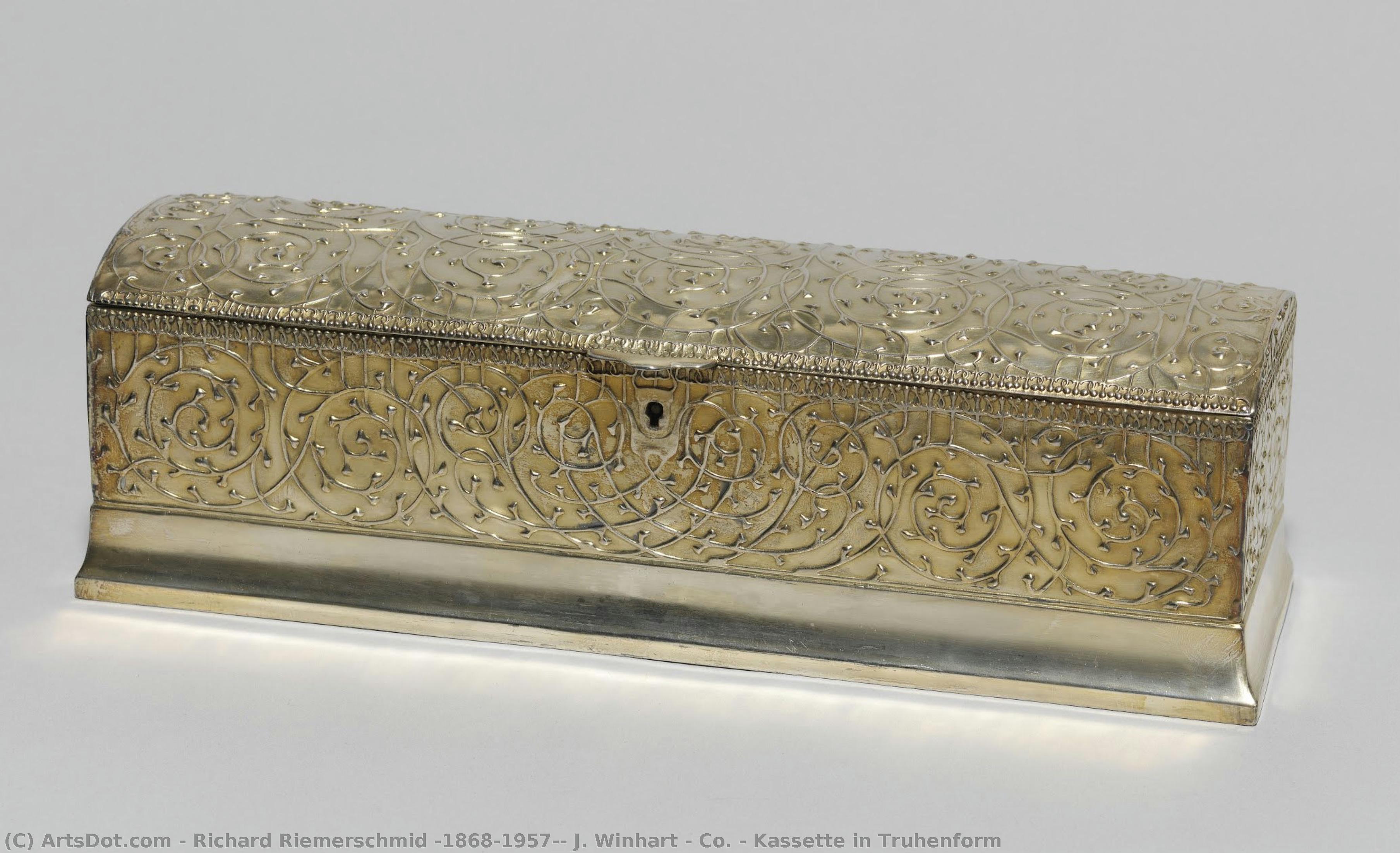
Kassette in Truhenform


 Read More
Hand Made Oil Reproduction
Hand-painted oil on canvas in your size and frame, made to order by our artists. ( Buy Print Buy Image)




































Pick from our preset sizes that match the artwork's original proportions.

You may enter your own dimensions to fit a specific frame or space. If your selected size does not match the original image's proportions, we will either crop the artwork or extend the painting with additional hand-painted elements. A digital mockup will be sent for your approval before production begins.
Please note that the on-screen preview does not reflect the actual cropping or extension. Only the mockup will accurately show the final composition.
While custom sizes are available, we recommend selecting a dimension from the predefined list to preserve the original proportions.
After order, ArtsDot.com team will email client for instructions and provide a mockup preview
Worldwide Delivery () in 3/4 weeks instead of standard 5 weeks. (25 August). No compromise on quality.

Free Worldwide Express Shipping

High-Quality Linen Canvas

Full Shipping Insurance

Customs Tax Refund Guarantee

True Color Matching Guarantee

60-Day Return Policy (Defects Only)

100% Money-Back Guarantee

Bulk Discount Offer
 Glass option is only available in size under 110 CM

Kassette in Truhenform
Reproduction Medium
Reproduction Size
-


Total Price
$ 263
Related Artworks



Artist Biography
Émile Bernard: A Pioneer of Synthetism and Breton Modernism
Émile Henri Bernard (1868-1941) was a French painter whose career, though relatively brief, profoundly impacted the trajectory of modern art. Born in Lille, France, into a family marked by hardship – his mother’s laundry business providing a modest but vital income – Bernard's early life instilled within him a deep appreciation for craftsmanship and a keen awareness of social realities. This background would later inform his artistic vision, shaping his commitment to portraying the lives of ordinary people and exploring themes of poverty, spirituality, and the transformative power of art itself. His journey through the vibrant Parisian art scene during the late 19th and early 20th centuries intertwined him with some of the most influential figures of the era, including Vincent van Gogh, Paul Gauguin, and Eugène Boch, ultimately leading him to develop a unique artistic style known as synthetism.Early Influences and Artistic Training
Bernard’s formal training began at the École des Arts Décoratifs in Paris, where he initially experimented with Impressionistic techniques under the guidance of Jean-Léon Gérôme. However, it was his time at the Atelier Cormon that proved pivotal. Here, he encountered a more radical approach to painting, influenced by the Pointillist theories of Georges Seurat and the burgeoning interest in Japanese art. This period saw him develop a meticulous attention to detail and an exploration of color theory, laying the groundwork for his later stylistic innovations. Crucially, it was during this time that Bernard formed close friendships with fellow artists Louis Anquetin and Henri de Toulouse-Lautrec, forging a network of artistic exchange that would prove invaluable throughout his career.The Rise of Synthetism and Breton Modernism
Bernard’s most significant contribution to the art world lies in the development of synthetism – a style characterized by its deliberate simplification of form, flattened perspective, and emphasis on color as an independent expressive element. Rejecting the Impressionist pursuit of capturing fleeting moments of light and atmosphere, Bernard sought to create paintings that were more akin to symbolic representations, conveying emotional states and spiritual ideas through abstract forms and vibrant hues. This approach aligned him with a group of artists known as “Breton Modernists,” including Gauguin, Boch, and van Gogh, who shared a desire to break free from traditional academic conventions and explore new modes of artistic expression. Bernard’s work became deeply intertwined with the burgeoning Breton avant-garde movement, which championed experimentation, social critique, and a rejection of bourgeois values. His paintings often depicted scenes of poverty and hardship, reflecting his own experiences and his empathy for the marginalized members of society.Key Works and Artistic Techniques
Bernard’s oeuvre is remarkably compact, considering the intensity of his artistic output during his relatively short career. Notable works include *Émile Bernard et Paul Gauguin à Atzè* (1897), a poignant depiction of his friendship with Gauguin in Tahiti; *The Breton Women in a Green Pasture* (1888), showcasing his early interest in depicting rural life; and numerous studies of the Parisian working class. His technique involved layering thin washes of color, often applied directly from the tube, to create luminous surfaces and achieve a sense of immediacy. He frequently employed a limited palette, prioritizing complementary colors to heighten visual impact. Bernard’s use of line was equally distinctive, characterized by bold, gestural strokes that conveyed both energy and emotional intensity.Legacy and Historical Significance
Despite his relatively short career, Émile Bernard left an indelible mark on the development of modern art. His pioneering work in synthetism paved the way for later abstract movements, while his commitment to social realism and Breton Modernism contributed significantly to the broader cultural context of the early 20th century. His exploration of spirituality and symbolism resonated with a generation grappling with profound societal changes and seeking new ways to express their beliefs. Today, Bernard’s paintings are recognized as important examples of late-19th and early-20th-century art, offering valuable insights into the complex dynamics of artistic innovation and social transformation. His legacy continues to inspire artists who seek to challenge conventional notions of representation and explore the expressive potential of color and form.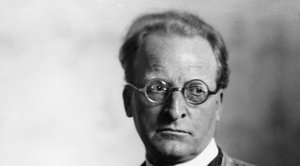
richard riemerschmid (1868–1957), j. winhart & co.
1868 - 1957 , Germany
Quick Facts
- Artistic Movement Or Style:
- Post-Impressionism
- Cloisonnism
- Synthetism
- Artists Or Movements Influenced By This Artist:
- André Derain
- Maurice Denis
- Artists Who Influenced This Artist:
- Vincent van Gogh
- Paul Gauguin
- Eugène Boch
- Paul Cézanne
- Date Of Birth: April 28, 1868
- Date Of Death: April 16, 1941
- Full Name: Émile Henri Bernard
- Nationality: French
- Notable Artworks:
- Émile Bernard in a Green Pasture
- The Breton Women in a Green Pasture
- Place Of Birth: Lille, France