

 Preview
 Send
Send Share
Share
 Details

 Download
 Similars
 X-Ray
X-Ray Diaporama
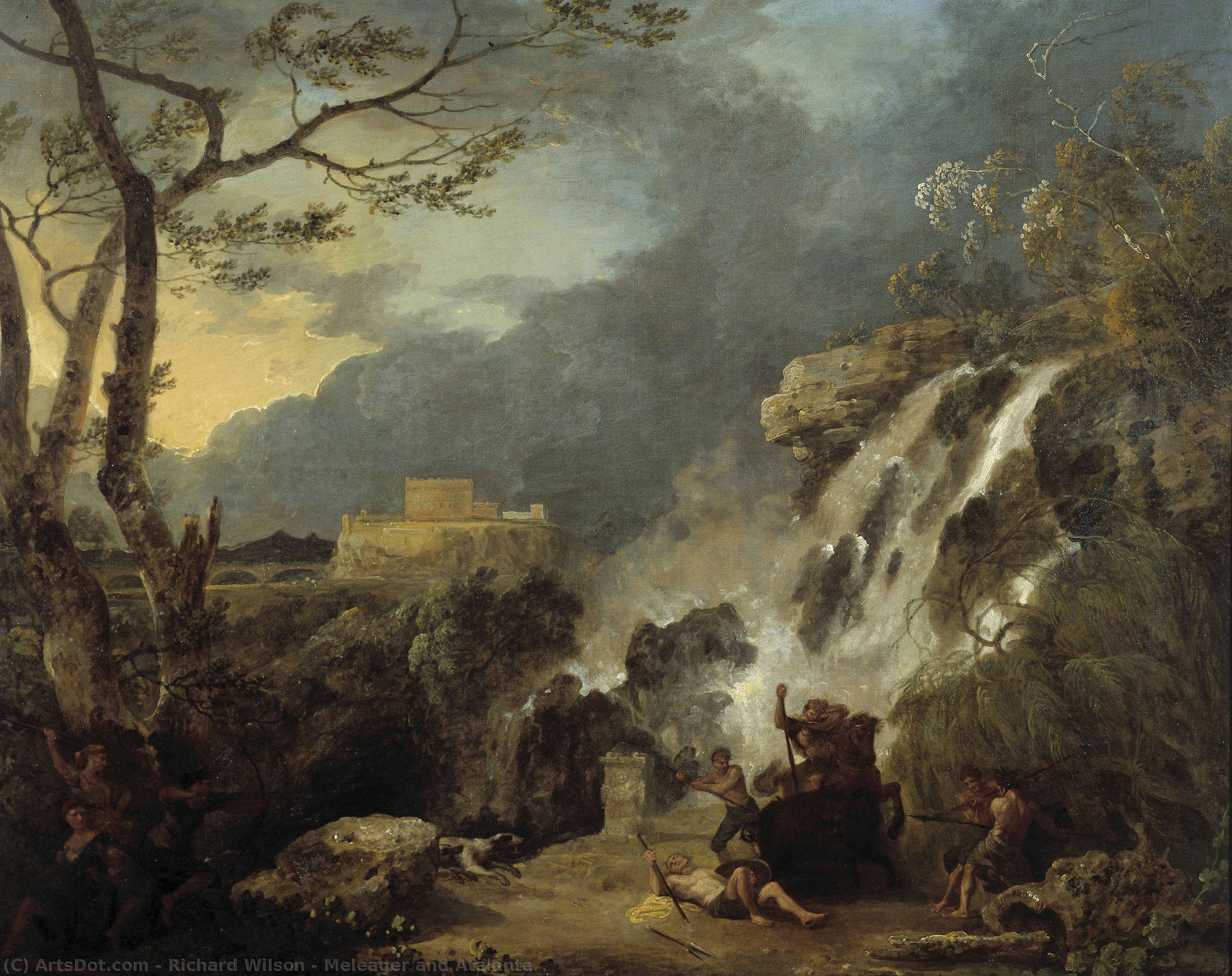
Meleager and Atalanta
 Oil On Canvas
- WallArt
- Romantic Landscape Painting
 1770
1770 129.0 x 104.0 cm
 Tate Britain
 Read More
Purchase a high-resolution, enhanced digital image, far superior to the online preview.
Each file is meticulously prepared by our in-house specialists using advanced tools and expert manual retouching. We ensure every image has exceptional clarity, precise color accuracy, and fine detail.
The final file is delivered via email within 72 hours, optimized for immediate use in professional, editorial, and print environments. This is the same quality trusted by top-tier design studios, publishers, and galleries.
Digital Image
Download a high-resolution file for personal display, printing, and creative projects. ( Buy Print Buy Hand Made Painting)
Included in Every Digital Image Order
Expert Digital Delivery, Guaranteed
When you choose ArtsDot.com, you're not just getting an image - you're receiving a professionally enhanced digital artwork, crafted with precision and backed by a satisfaction guarantee. Here's everything that comes with your order, automatically:

Fast Email Delivery
Your high-resolution digital image file will be emailed to you within 72 hours of ordering - ready for immediate use.

AI-Enhanced Digital File
Your artwork is professionally optimized using advanced AI tools and manual editing, ensuring maximum detail, clarity, and color accuracy.

Free Lifetime Re-Delivery
Accidentally deleted or lost your file? No worries - we'll resend it to you anytime, free of charge.

No Import Fees - Ever
Enjoy your artwork instantly with zero customs, duties, or delivery fees - digital downloads are always tax-free.

Color Accuracy Guarantee
We ensure your digital image reflects the original colors as closely as possible using professional tools and color management.

60-Day Satisfaction Guarantee
If you're not satisfied with your digital image, we'll revise it or refund 100% within 60 days - no questions asked.

100% Money-Back Guarantee
Not satisfied? Get a full refund within 60 days of receiving your digital file - no questions asked.

Bulk Order Discounts
Buy 3 images, save 10% - Buy 5, save 15% - Buy 10+, save 20%. Great for creative projects, galleries, and agencies.
Collectible Description
Richard Wilson’s “Meleager and Atalanta”: A Symphony of Light and Myth
Richard Wilson's "Meleager and Atalanta," completed around 1770, stands as a cornerstone of British landscape painting and embodies the Romantic spirit’s fascination with sublime beauty intertwined with narrative grandeur. Executed in oil on canvas, this monumental artwork depicts a dramatic scene from Greek mythology – the legendary pursuit of the Cretan Boar by Meleager, Atalanta, Hipparchus, and Damon – set against the backdrop of a breathtaking waterfall cascading into a tranquil pool. Wilson’s masterful handling of light and color elevates the depiction beyond mere topographical representation, transforming it into an emotional landscape that speaks to themes of heroism, perseverance, and the power of nature.A Visionary Landscape Painter: Wilson's Artistic Breakthrough
Before “Meleager and Atalanta,” Wilson primarily focused on portraiture, establishing himself as a respected artist within London’s social circles. However, this painting signaled a decisive shift in his artistic trajectory—a move away from formal commissions toward exploring the expressive potential of landscape. Influenced by artists like Claude Lorrain and Nicolas Poussin, Wilson meticulously studied classical compositions and techniques, adopting a pyramidal structure to guide the viewer's gaze and emphasizing atmospheric perspective to convey depth and grandeur. This deliberate stylistic evolution cemented his reputation as one of Britain’s foremost landscape painters and profoundly impacted subsequent generations of artists.The Mythological Narrative: Symbolism Within Scenic Beauty
The painting isn’t simply a picturesque vista; it’s steeped in symbolism rooted in Homer's Iliad and Odyssey. Meleager, Atalanta, Hipparchus, and Damon represent courage, cunning, and unwavering determination as they strive to capture the boar – a symbol of primal instinct and untamed wilderness – which threatens to destroy their community. The waterfall itself embodies purification and renewal, mirroring the heroic quest’s ultimate triumph over adversity. Wilson skillfully integrates these mythological elements into the landscape, creating an immersive experience that invites contemplation on themes of human resilience against natural forces.Technique and Impressionistic Light
Wilson's technique is characterized by a meticulous attention to detail combined with a groundbreaking approach to capturing light—a hallmark of early Romanticism. He employed glazing techniques, layering thin washes of color over underpaintings to achieve luminous effects that rivaled those of Claude Lorrain. The artist painstakingly rendered the textures of rock formations and foliage, demonstrating an unparalleled command of tonal gradation and atmospheric haze. This masterful manipulation of light creates a palpable sense of depth and luminosity, transporting viewers into the heart of the scene and conveying its emotional resonance with remarkable accuracy.Enduring Legacy: Inspiration for Artists and Collectors
“Meleager and Atalanta” continues to inspire artists and collectors alike. Its serene yet turbulent composition—the interplay of light and shadow across the waterfall—captures the sublime beauty championed by Romantic poets like Wordsworth and Coleridge. The painting’s enduring appeal lies in its ability to evoke feelings of awe, wonder, and contemplation – qualities that resonate deeply with those seeking artistic excellence and a connection to the grandeur of the natural world. It remains a testament to Wilson's genius and a pivotal work within British art history.Related Artworks
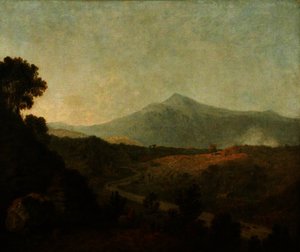
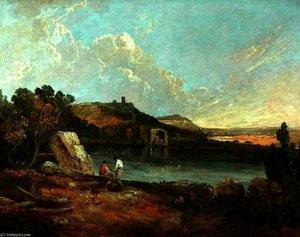
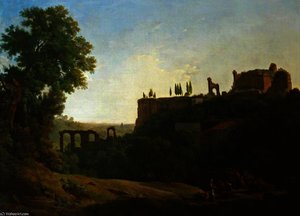
Artist Biography
Richard Wilson: A Pioneer of British Landscape Painting
Early Life and Training
Richard Wilson was born on July 24, 1713, in Islington, United Kingdom. Details regarding his early life remain scarce, but it is believed he received foundational artistic training. Wilson’s initial skills were likely developed through self-study and observation, as well as potentially from other artists of the time. His work demonstrates a strong grasp of classical techniques, suggesting a deliberate effort to master fundamental principles.
Artistic Career & Development
Wilson’s artistic journey unfolded in two distinct phases. He began his career as a portrait painter, but gradually transitioned towards landscape painting – the genre for which he is now celebrated. This shift marked a pivotal moment in British art history. His landscapes were not merely depictions of scenery; they were carefully constructed compositions imbued with atmosphere and emotion.
- Early Influences: Initially, Wilson’s portraits showed the influence of established artists like Godfrey Kneller.
- Transition to Landscape: His travels in Italy (around 1752) proved transformative. Exposure to Italianate landscapes and the works of Claude Lorrain profoundly impacted his style.
- Mature Style: Wilson developed a uniquely British approach to landscape, blending classical ideals with the specific qualities of the English countryside.
Influences & Artistic Style
The most significant influence on Richard Wilson was Thomas Gainsborough. He admired Gainsborough’s ability to capture light and atmosphere, and incorporated similar techniques into his own work. However, Wilson distinguished himself through a more deliberate compositional structure and a greater emphasis on idealized beauty.
- Classical Composition: Wilson often employed classical principles of balance and harmony in his landscapes.
- Atmospheric Perspective: He skillfully used atmospheric perspective to create a sense of depth and distance.
- Golden Light: His paintings are characterized by a warm, golden light that evokes a feeling of tranquility.
Notable Works & Achievements
Several works exemplify Wilson’s mastery.
- Meleager and Atalanta (c. 1743): This painting showcases his skill in capturing the essence of the British countryside.
- The Hengö Watch (1756-57): A masterpiece demonstrating Wilson’s ability to balance light, color and composition.
- Numerous other landscapes: He produced a substantial body of work depicting various locations throughout Britain and Italy.
Historical Significance & Legacy
Richard Wilson is considered a pivotal figure in the development of British landscape painting. He paved the way for future generations of artists, including Francis Cotes, by demonstrating the artistic potential of the British countryside. His emphasis on capturing the beauty and tranquility of nature helped to establish a distinctively British tradition of landscape art.
- Breaking from Portraiture: Wilson’s focus on landscape challenged the prevailing dominance of portraiture in British art.
- National Identity: His paintings contributed to a growing sense of national identity and pride in the beauty of the British Isles.
- Lasting Influence: Wilson’s work continues to inspire artists and art lovers today, solidifying his place as a key figure in art history.
Museum Collections
Wilson's works can be found in prominent museums including:
- Tate Britain, London, United Kingdom
- Walker Art Gallery, Liverpool, United Kingdom
- National Museum of Wales, Cardiff, United Kingdom
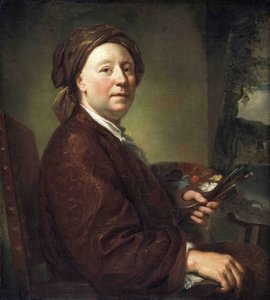
richard wilson
1713 - 1782 , United Kingdom
Quick Facts
- Birth_Date: July 24, 1713
- Birth_Place: Islington, United Kingdom
- Death_Date: 1782
- Influenced: ['Francis Cotes']
- Influenced_By: Thomas Gainsborough
- Movement: British Landscape Painting
- Name: Richard Wilson
- Nationality: British
- Notable_Works:
- Meleager and Atalanta
- The Hengö Watch

