 Preview
 Send
Send Share
Share
 Details

 Download
 Similars
 X-Ray
X-Ray Diaporama
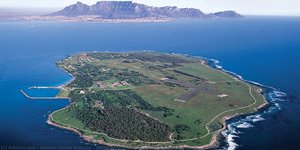
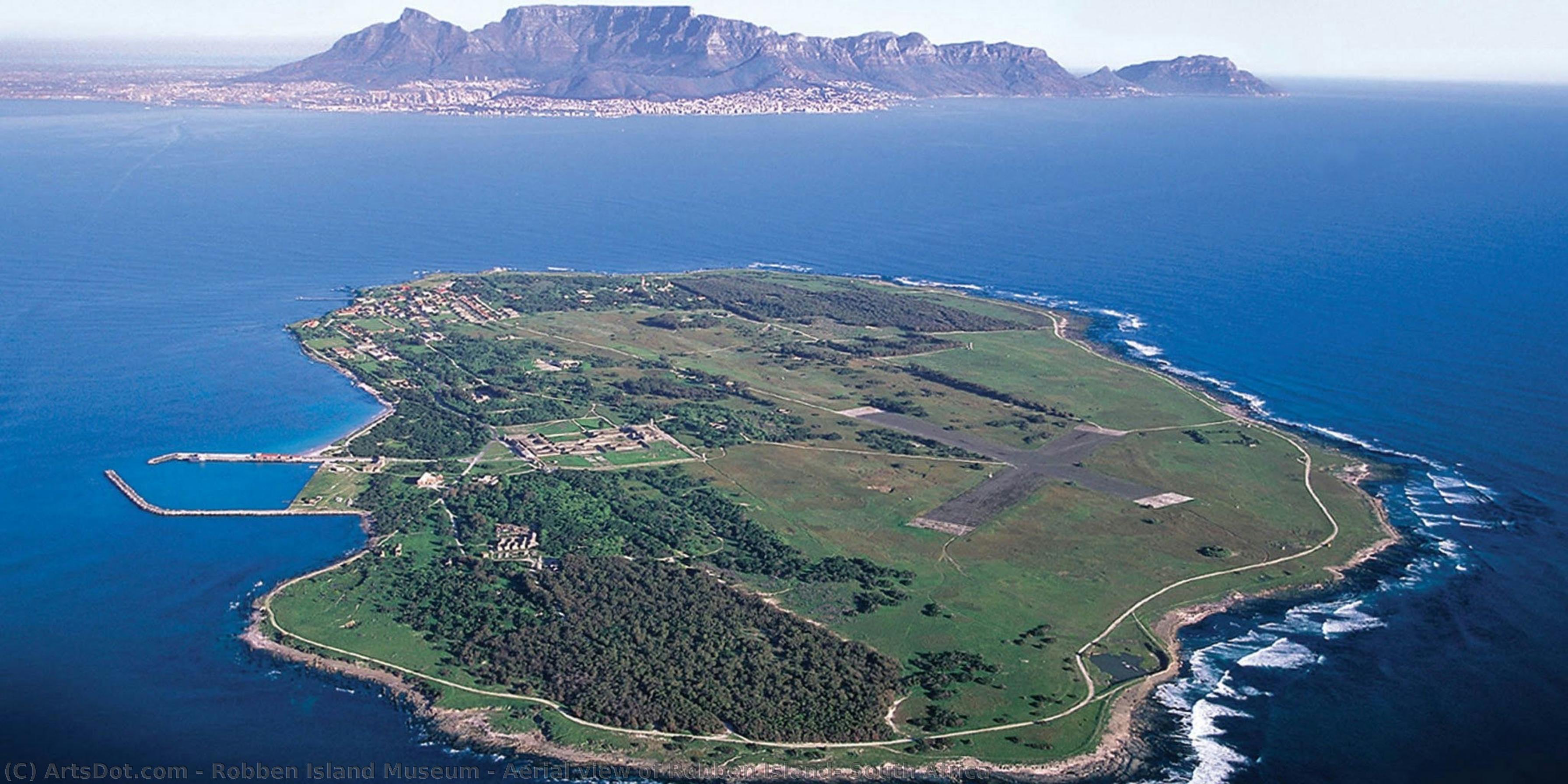
Aerial view of Robben Island, South Africa

 Read More
Hand Made Oil Reproduction
Hand-painted oil on canvas in your size and frame, made to order by our artists. ( Buy Print Buy Image)




































Pick from our preset sizes that match the artwork's original proportions.

You may enter your own dimensions to fit a specific frame or space. If your selected size does not match the original image's proportions, we will either crop the artwork or extend the painting with additional hand-painted elements. A digital mockup will be sent for your approval before production begins.
Please note that the on-screen preview does not reflect the actual cropping or extension. Only the mockup will accurately show the final composition.
While custom sizes are available, we recommend selecting a dimension from the predefined list to preserve the original proportions.
After order, ArtsDot.com team will email client for instructions and provide a mockup preview
Worldwide Delivery () in 3/4 weeks instead of standard 5 weeks. (7 September). No compromise on quality.

Free Worldwide Express Shipping

High-Quality Linen Canvas

Full Shipping Insurance

Customs Tax Refund Guarantee

True Color Matching Guarantee

100-Day Return Policy (Defects Only)

100% Money-Back Guarantee

Bulk Discount Offer
 Glass option is only available in size under 110 CM

Aerial view of Robben Island, South Africa
Reproduction Medium
Reproduction Size
-


Total Price
$ 263
Related Artworks










Artist Biography
A Bastion of Memory: The Robben Island Museum
The Robben Island Museum is unlike any other art institution in the world. It isn’t a gallery showcasing paintings or sculptures, but rather a living testament to human endurance and the unwavering pursuit of freedom. Located just off the coast of Cape Town, South Africa, this UNESCO World Heritage Site stands as a powerful symbol of resistance against apartheid and a poignant reminder of the sacrifices made in the struggle for equality. Established in 1997 by the Department of Arts and Culture, the museum’s core mission is to preserve, develop, and present Robben Island not merely as a historical location, but as a deeply resonant national estate. To understand the ‘artwork’ of Robben Island – its buildings, its landscape, its very atmosphere – one must first grasp the weight of its past. For centuries, this small, flat island served as a place of exile, isolation, and brutal imprisonment, holding within its walls individuals who dared to challenge the oppressive regime. The museum doesn't present artifacts *of* art in the traditional sense; it presents the very architecture of oppression, transformed into an enduring monument to hope.From Isolation Ward to Icon of Resistance
The history of Robben Island is a layered one, stretching back to the 17th century. Initially used as a Dutch penal colony and later by the British, its purpose remained consistently punitive. However, it was during the apartheid era that Robben Island became synonymous with political imprisonment. From the 1960s onwards, anti-apartheid activists, including Nelson Mandela, Walter Sisulu, and many others, were incarcerated here. The conditions were harsh – cramped cells, minimal food, forced labor in the limestone quarry, and systematic attempts to break their spirits. Yet, it was within these very walls that a remarkable spirit of resistance flourished. Political prisoners established clandestine educational programs, smuggled literature, and maintained unwavering solidarity. They transformed their confinement into an opportunity for self-improvement and collective empowerment. The island’s bleak landscape became a canvas for coded messages, whispered histories, and the quiet determination to dismantle apartheid from within.The Architecture of Oppression: A Silent Narrative
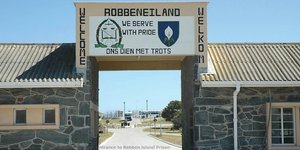
The physical structures of Robben Island – the prison complex itself, the church, the hospital, the superintendent's house – are integral to the museum’s narrative. The B-Section, where Mandela spent much of his imprisonment, is particularly evocative. Its small cells, barely large enough for a single person, speak volumes about the dehumanizing conditions endured by prisoners. The limestone quarry, where prisoners were forced to perform backbreaking labor under the scorching sun, stands as a stark reminder of their physical suffering. Even the seemingly innocuous buildings like the church and hospital reveal layers of complexity; they were spaces where both oppression and subtle acts of defiance played out. The museum’s approach is not simply to display these structures but to allow them to *speak* – to convey the stories of those who lived within them through guided tours led by former political prisoners, offering firsthand accounts that bring history vividly to life.Preserving a Legacy: Education and Remembrance
The Robben Island Museum’s work extends far beyond preservation; it is deeply committed to education and remembrance. The museum offers a range of programs designed to engage visitors with the island's complex history, fostering critical thinking about apartheid, human rights, and social justice. Tours are not merely historical recitations but immersive experiences that encourage empathy and understanding.- Guided tours led by former political prisoners: These provide invaluable firsthand accounts.
- Educational workshops and seminars: Aimed at students, educators, and the wider public.
- Exhibitions showcasing historical documents and photographs: Offering a deeper understanding of the apartheid era.
robben island museum
South Africa