

 Preview
 Send
Send Share
Share
 Details

 Download
 Similars
 X-Ray
X-Ray Diaporama
Christians and Christians
 Oil On Canvas
- WallArt
- Contemporary Realism
 1869
1869 142.0 x 212.0 cm
 Walker Art Gallery
 Read More
Purchase a high-resolution, enhanced digital image, far superior to the online preview.
Each file is meticulously prepared by our in-house specialists using advanced tools and expert manual retouching. We ensure every image has exceptional clarity, precise color accuracy, and fine detail.
The final file is delivered via email within 72 hours, optimized for immediate use in professional, editorial, and print environments. This is the same quality trusted by top-tier design studios, publishers, and galleries.
Digital Image
Download a high-resolution file for personal display, printing, and creative projects. ( Buy Print Buy Hand Made Painting)
Included in Every Digital Image Order
Expert Digital Delivery, Guaranteed
When you choose ArtsDot.com, you're not just getting an image - you're receiving a professionally enhanced digital artwork, crafted with precision and backed by a satisfaction guarantee. Here's everything that comes with your order, automatically:

Fast Email Delivery
Your high-resolution digital image file will be emailed to you within 72 hours of ordering - ready for immediate use.

AI-Enhanced Digital File
Your artwork is professionally optimized using advanced AI tools and manual editing, ensuring maximum detail, clarity, and color accuracy.

Free Lifetime Re-Delivery
Accidentally deleted or lost your file? No worries - we'll resend it to you anytime, free of charge.

No Import Fees - Ever
Enjoy your artwork instantly with zero customs, duties, or delivery fees - digital downloads are always tax-free.

Color Accuracy Guarantee
We ensure your digital image reflects the original colors as closely as possible using professional tools and color management.

60-Day Satisfaction Guarantee
If you're not satisfied with your digital image, we'll revise it or refund 100% within 60 days - no questions asked.

100% Money-Back Guarantee
Not satisfied? Get a full refund within 60 days of receiving your digital file - no questions asked.

Bulk Order Discounts
Buy 3 images, save 10% - Buy 5, save 15% - Buy 10+, save 20%. Great for creative projects, galleries, and agencies.
Collectible Description
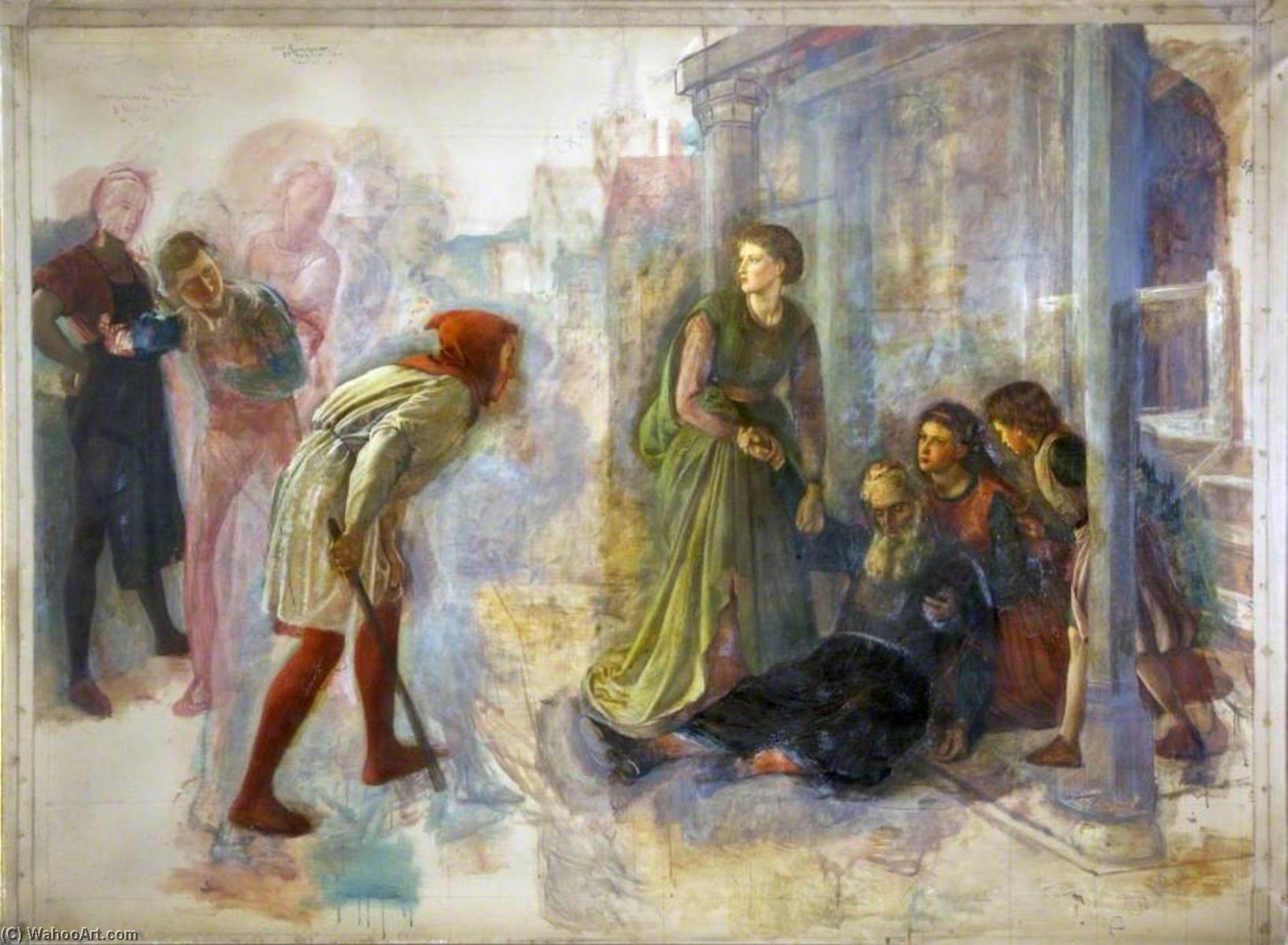
A Portrait of Victorian Moral Concern: Examining Robert Braithwaite Martineau’s ‘Christians and Christians’
The Walker Art Gallery in Liverpool houses a remarkable oil on canvas painting by Robert Braithwaite Martineau, titled ‘Christians and Christians,’ completed in 1869. This artwork transcends mere visual representation; it embodies the anxieties and moral considerations characteristic of Victorian England, offering a poignant glimpse into societal tensions surrounding religious belief and social responsibility. Measuring 142 x 212 cm, Martineau’s masterpiece commands attention with its masterful composition and nuanced depiction of human interaction.Composition and Narrative Tension
At first glance, the painting presents a seemingly simple tableau: a woman kneeling on the ground, surrounded by several men. However, beneath this surface lies a palpable sense of unease. The positioning of the figures—particularly the woman’s posture—suggests vulnerability and distress, prompting immediate questions about power dynamics and ethical obligations. Two birds are strategically placed within the frame – one perched atop the left shoulder and another hovering near the bottom right corner – adding an element of symbolic richness that elevates the artwork beyond a straightforward depiction of circumstance. These avian figures aren’t merely decorative; they represent freedom and spiritual aspiration, subtly countering the prevailing tension within the scene.Technique and Artistic Style: Victorian Realism Refined
Martineau's artistic style aligns firmly with Victorian realism, yet distinguishes itself through an exceptional sensitivity to emotional expression. He employs oil paint on canvas—a technique favored by artists of his era—allowing for a luminous palette and capturing subtle gradations of light and shadow that imbue the painting with depth and atmosphere. Martineau’s meticulous attention to detail is evident in the rendering of facial expressions, conveying profound sorrow and apprehension. The artist skillfully utilizes chiaroscuro – dramatic contrasts between light and dark – to heighten the emotional impact of the scene and draw the viewer's gaze toward the central figure. This masterful technique underscores Martineau’s commitment to portraying human psychology with unflinching honesty.Historical Context: Victorian Moral Debate
‘Christians and Christians’ emerged during a period marked by intense debate concerning social morality and religious faith within Victorian society. The painting reflects anxieties surrounding issues of justice, compassion, and the responsibility of individuals—particularly men—to protect vulnerable women. Martineau's work engages directly with the broader cultural conversations of his time, prompting contemplation on ethical dilemmas and challenging viewers to confront uncomfortable truths about human behavior. It’s a testament to Martineau’s ability to distill complex philosophical ideas into a powerfully emotive visual experience.Symbolism: Birds as Agents of Hope
The inclusion of birds carries significant symbolic weight within the artwork. Traditionally associated with spirituality, freedom, and divine grace, these avian figures serve as beacons of optimism amidst the prevailing gloom. Their presence suggests that despite hardship and oppression, there remains an enduring possibility for redemption—a notion central to Victorian moral philosophy. Martineau’s deliberate choice reinforces this message, inviting viewers to consider the transformative potential of compassion and ethical conduct.Concluding Reflection: An Enduring Legacy
Robert Braithwaite Martineau's ‘Christians and Christians’ stands as a compelling example of Victorian art’s capacity for conveying profound emotional resonance alongside intellectual engagement. Its meticulous technique, evocative composition, and symbolic richness continue to captivate audiences today—a testament to Martineau’s enduring artistic vision and his contribution to the visual record of a pivotal era in British history. Explore more about Robert Braithwaite Martineau and his works on ArtsDot.com. Discover other notable artists and their paintings, such as Edgar Degas and his Woman Ironing, on ArtsDot.com.Related Artworks

Artist Biography
A Life Immersed in Victorian Realism
Robert Braithwaite Martineau, a name perhaps less instantly recognizable than some of his Pre-Raphaelite contemporaries, nevertheless occupies a significant and compelling niche within the landscape of 19th-century British art. Born in London in 1826 into a family bridging the worlds of law and artistic inclination – his father a master in chancery, his mother descended from a physician who also pursued painting – Martineau’s path wasn't immediately destined for canvas. He initially followed a conventional route, training as a lawyer before ultimately succumbing to the allure of art. This early exposure to legal frameworks perhaps subtly informed his later work, imbuing it with a sense of narrative precision and moral scrutiny that would become hallmarks of his style. His formal artistic education began at the Royal Academy, where he demonstrated promise, earning a silver medal that signaled his burgeoning talent. However, it was his subsequent association with William Holman Hunt that truly set the course for his artistic development.The Pre-Raphaelite Embrace and Artistic Development
Martineau’s pivotal encounter with William Holman Hunt proved transformative. He became a pupil of Hunt's, even sharing studio space with the leading figure of the Pre-Raphaelite Brotherhood. This immersion into the movement’s ethos profoundly shaped his artistic sensibilities. The Pre-Raphaelites championed a return to detailed realism, vibrant color, and narrative storytelling rooted in literature, history, or moral themes – principles that resonated deeply with Martineau. He absorbed their commitment to truthfulness in representation, rejecting the idealized conventions of academic painting in favor of meticulous observation and emotional depth. Martineau wasn’t merely mimicking a style; he was internalizing a philosophy. This influence is evident in his careful attention to detail, his use of symbolic imagery, and his willingness to tackle complex subjects with honesty and nuance. He moved away from the grand historical narratives favored by some Victorian artists, instead focusing on scenes of everyday life imbued with psychological insight and social commentary.Narratives of Victorian Life: Major Works and Themes
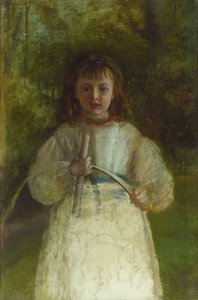
Martineau’s paintings are not simply visual representations; they are windows into the lives, anxieties, and moral dilemmas of Victorian society. He possessed a remarkable ability to tell stories through his art, often choosing subjects that provoked thought and challenged conventional norms. Perhaps his most celebrated work, The Last Day in the Old Home (1864), exemplifies this approach. The painting depicts Colonel John Leslie Toke, a friend of Martineau’s, facing the ruinous consequences of gambling away his family estate. It's a powerful and unflinching portrayal of loss, regret, and the fragility of social standing. Beyond this iconic piece, Martineau explored a diverse range of themes in works like Girl with a Hoop, A Woman of San Germano, Picciola, and Kit’s Writing Lesson. These paintings demonstrate his versatility, encompassing intimate domestic scenes, historical narratives, and explorations of childhood innocence. Recurring motifs in his work include social realism, the complexities of morality, the impact of loss, and the shifting dynamics within Victorian families and communities. He didn't shy away from depicting uncomfortable truths, offering a critical perspective on the societal pressures and inequalities of his time.Legacy and Historical Significance
Though Robert Braithwaite Martineau’s life was tragically cut short at the age of 43 in 1869, his artistic legacy continues to resonate. While he may not have achieved the widespread fame of some of his Pre-Raphaelite peers during his lifetime, his work has garnered increasing recognition in recent decades. His paintings are now held in prominent collections such as the Tate Gallery (London), the Ashmolean Museum (Oxford), and the Liverpool Art Gallery, testament to their enduring artistic merit and historical importance. Martineau’s willingness to address difficult social issues through his art sets him apart. He provided valuable insights into the values, anxieties, and realities of 19th-century England, offering a nuanced portrayal of Victorian life that transcends mere aesthetic beauty. His paintings serve as poignant reminders of the human cost of societal failings and the enduring power of storytelling to illuminate the complexities of the human condition. He left behind not just beautiful images but also compelling narratives that continue to engage and provoke viewers today.Personal Life
In 1865, Martineau married Maria Wheeler, and together they had two children. He is laid to rest in Kensal Green Cemetery, a final resting place for many notable figures of the Victorian era. His life, though relatively brief, was one dedicated to artistic pursuit and a commitment to portraying the world around him with honesty and empathy – qualities that ensure his continued relevance within the canon of British art.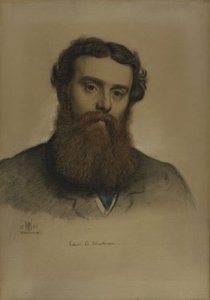
Robert Braithwaite Martineau
1826 - 1869 , United Kingdom
Quick Facts
- Artistic Movement Or Style: Pre-Raphaelite, Realism
- Artists Who Influenced This Artist: ['William Holman Hunt']
- Date Of Birth: 1826
- Date Of Death: 1869
- Full Name: Robert Braithwaite Martineau
- Nationality: British
- Notable Artworks:
- The Last Day in the Old Home
- Girl with a Hoop
- Kit’s Writing Lesson
- Place Of Birth: London, UK

