 Preview
 Send
Send Share
Share
 Details

 Download
 Similars
 X-Ray
X-Ray Diaporama
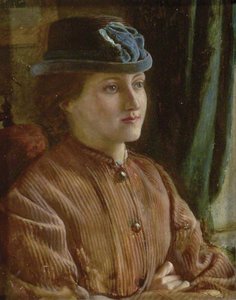
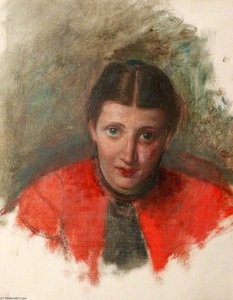
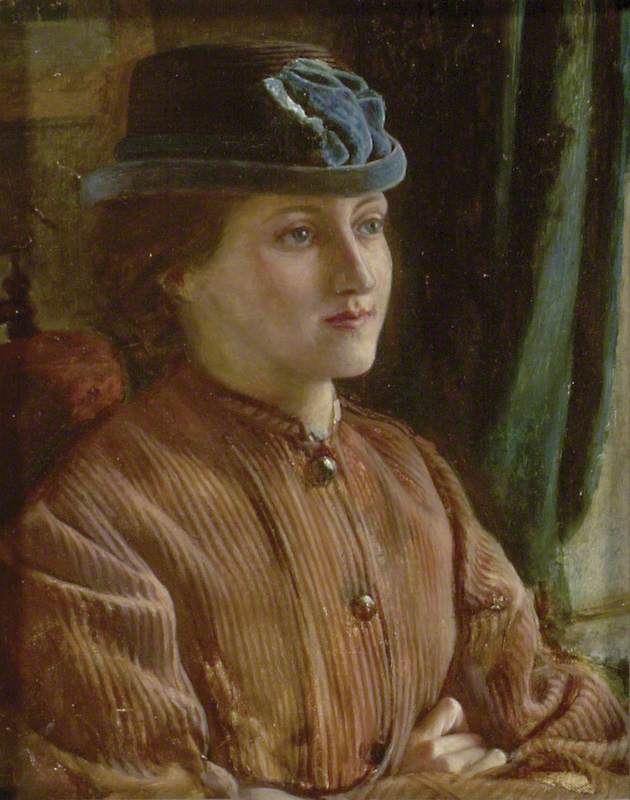
The Artist's Wife
 Acrylic On Canvas
- WallArt
- Pre-Raphaelite
 1865
1865 35.0 x 29.0 cm
 The Ashmolean Museum of Art And Archaeology
 Read More
Giclée / Art Print
Museum-quality giclée or canvas print with fast production and flexible finish options. ( Buy Hand Made Painting Buy Image)




P118B $10

P118H $10

P118W $10

P438Z $10

P508JH $12

P508YH $12

P805H $10

P805Z $10

P919BZ $10

P919G $10

P919XJ $10

P959ZH $10

P968JZ $12

W106C $8

W218G $10

W218JH $8

W218Y $10

W307PJ $10

W316G $10

W316PJ $8

W316Y $10

W398PJ $8

W4111J $10

W500HY $15

W500JH $15

W692G $12

W849H $8

W940BG $15

W953PJ $8




Pick from our preset sizes that match the artwork's original proportions.

You may enter your own dimensions to fit a specific frame or space. If your selected size does not match the original image's proportions, we will either crop the artwork or extend the image with a mirrored or solid-fill edge. A digital mockup will be sent for your approval before production begins.
Please note that the on-screen preview does not reflect the actual cropping or extension. Only the mockup will accurately show the final composition.
While custom sizes are available, we recommend selecting a dimension from the predefined list to preserve the original proportions.
Worldwide Delivery () in 2 weeks instead of standard 4/5 weeks. (29 August)

Free Worldwide Express Shipping

High-Quality Linen Canvas

Full Shipping Insurance

Customs Tax Refund Guarantee

True Color Matching Guarantee

60-Day Return Policy (Defects Only)

100% Money-Back Guarantee

Bulk Discount Offer
 Glass option is only available in size under 110 CM

The Artist's Wife
Giclée / Art Print
Reproduction Size
-


Total Price
$ 63
A Moment Frozen in Time: Robert Braithwaite Martineau’s “The Artist’s Wife”
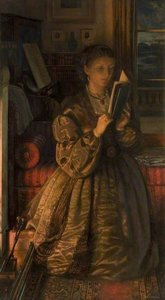
Robert Braithwaite Martineau's "The Artist’s Wife," painted in 1865, is more than just a portrait; it’s a carefully constructed tableau of Victorian domesticity imbued with an undercurrent of melancholy and quiet contemplation. This intimate scene, rendered in the meticulous style characteristic of the Pre-Raphaelites, offers a glimpse into the life of a woman caught between artistic aspiration and the constraints of her role within a patriarchal society. The painting immediately draws the eye to its central figure – a woman seated by a window, bathed in soft light that suggests both warmth and isolation. Her posture is relaxed yet subtly poised, her gaze directed outwards as if lost in thought, perhaps reflecting on the creative endeavors of her husband or simply absorbing the beauty of the surrounding landscape.
Style and Technique: Pre-Raphaelite Precision
Martineau’s artistic approach firmly aligns with the tenets of the Pre-Raphaelites, a movement that championed truth to nature and a rejection of academic art conventions. Notice the painstaking detail in the rendering of fabrics – the delicate folds of her dress, the subtle sheen of the shawl draped across her shoulders. The artist employs a rich palette dominated by muted blues, greens, and browns, creating an atmosphere of subdued elegance. His brushwork is precise yet expressive, capturing not just the likeness of his subject but also her emotional state with remarkable sensitivity. The use of light and shadow is particularly noteworthy; it’s diffused and atmospheric, contributing to the painting's overall mood of quiet introspection. Martineau masterfully utilizes color to evoke a sense of depth and realism, grounding the scene in tangible reality while simultaneously hinting at an underlying dreamlike quality.
Symbolism and Narrative Context
Beyond its immediate visual appeal, “The Artist’s Wife” is rich with symbolic meaning. The window itself serves as a powerful motif – a portal to the outside world, representing both opportunity and confinement. The woman's contemplative gaze suggests a yearning for something beyond her domestic sphere, perhaps reflecting the artistic ambitions of women during this era who were often denied formal training or recognition. The umbrella, positioned near the bottom left corner, adds another layer of interpretation; it could symbolize protection from the elements, but also a barrier between the subject and the viewer, reinforcing her sense of isolation. The painting’s creation coincided with a period of significant social change in Britain – the rise of industrialization, increasing urbanization, and growing calls for women's rights. Martineau’s work subtly engages with these broader societal currents, offering a poignant commentary on the challenges faced by women within the Victorian context.
Emotional Resonance and Lasting Impact
“The Artist’s Wife” possesses a remarkable ability to evoke empathy and introspection. The woman's pensive expression invites viewers to contemplate her inner world, prompting questions about her hopes, dreams, and unspoken desires. There is a palpable sense of vulnerability in her posture, suggesting a quiet strength beneath the surface. This painting isn’t merely a depiction of a woman; it’s an exploration of the complexities of human experience – the delicate balance between duty and aspiration, tradition and innovation. The work's enduring appeal lies in its ability to transcend time, offering a timeless portrait of a woman caught in the currents of her era, a silent witness to the shifting landscape of Victorian society. A hand-painted reproduction captures this exquisite detail and emotional depth, bringing Martineau’s evocative vision to life for contemporary audiences.
- Artist: Robert Braithwaite Martineau
- Year: 1865
- Medium: Oil on canvas
- Size: 35 x 29 cm
Related Artworks
Artist Biography
A Life Immersed in Victorian Realism
Robert Braithwaite Martineau, a name perhaps less instantly recognizable than some of his Pre-Raphaelite contemporaries, nevertheless occupies a significant and compelling niche within the landscape of 19th-century British art. Born in London in 1826 into a family bridging the worlds of law and artistic inclination – his father a master in chancery, his mother descended from a physician who also pursued painting – Martineau’s path wasn't immediately destined for canvas. He initially followed a conventional route, training as a lawyer before ultimately succumbing to the allure of art. This early exposure to legal frameworks perhaps subtly informed his later work, imbuing it with a sense of narrative precision and moral scrutiny that would become hallmarks of his style. His formal artistic education began at the Royal Academy, where he demonstrated promise, earning a silver medal that signaled his burgeoning talent. However, it was his subsequent association with William Holman Hunt that truly set the course for his artistic development.The Pre-Raphaelite Embrace and Artistic Development
Martineau’s pivotal encounter with William Holman Hunt proved transformative. He became a pupil of Hunt's, even sharing studio space with the leading figure of the Pre-Raphaelite Brotherhood. This immersion into the movement’s ethos profoundly shaped his artistic sensibilities. The Pre-Raphaelites championed a return to detailed realism, vibrant color, and narrative storytelling rooted in literature, history, or moral themes – principles that resonated deeply with Martineau. He absorbed their commitment to truthfulness in representation, rejecting the idealized conventions of academic painting in favor of meticulous observation and emotional depth. Martineau wasn’t merely mimicking a style; he was internalizing a philosophy. This influence is evident in his careful attention to detail, his use of symbolic imagery, and his willingness to tackle complex subjects with honesty and nuance. He moved away from the grand historical narratives favored by some Victorian artists, instead focusing on scenes of everyday life imbued with psychological insight and social commentary.Narratives of Victorian Life: Major Works and Themes
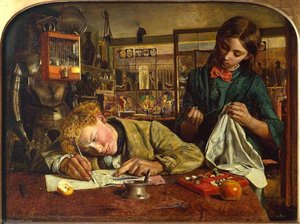
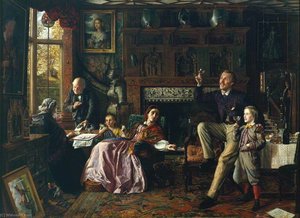
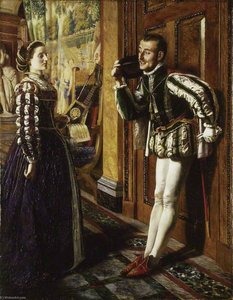
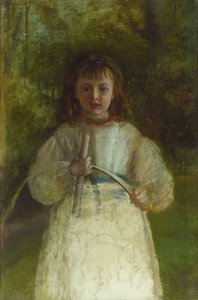
Martineau’s paintings are not simply visual representations; they are windows into the lives, anxieties, and moral dilemmas of Victorian society. He possessed a remarkable ability to tell stories through his art, often choosing subjects that provoked thought and challenged conventional norms. Perhaps his most celebrated work, The Last Day in the Old Home (1864), exemplifies this approach. The painting depicts Colonel John Leslie Toke, a friend of Martineau’s, facing the ruinous consequences of gambling away his family estate. It's a powerful and unflinching portrayal of loss, regret, and the fragility of social standing. Beyond this iconic piece, Martineau explored a diverse range of themes in works like Girl with a Hoop, A Woman of San Germano, Picciola, and Kit’s Writing Lesson. These paintings demonstrate his versatility, encompassing intimate domestic scenes, historical narratives, and explorations of childhood innocence. Recurring motifs in his work include social realism, the complexities of morality, the impact of loss, and the shifting dynamics within Victorian families and communities. He didn't shy away from depicting uncomfortable truths, offering a critical perspective on the societal pressures and inequalities of his time.Legacy and Historical Significance
Though Robert Braithwaite Martineau’s life was tragically cut short at the age of 43 in 1869, his artistic legacy continues to resonate. While he may not have achieved the widespread fame of some of his Pre-Raphaelite peers during his lifetime, his work has garnered increasing recognition in recent decades. His paintings are now held in prominent collections such as the Tate Gallery (London), the Ashmolean Museum (Oxford), and the Liverpool Art Gallery, testament to their enduring artistic merit and historical importance. Martineau’s willingness to address difficult social issues through his art sets him apart. He provided valuable insights into the values, anxieties, and realities of 19th-century England, offering a nuanced portrayal of Victorian life that transcends mere aesthetic beauty. His paintings serve as poignant reminders of the human cost of societal failings and the enduring power of storytelling to illuminate the complexities of the human condition. He left behind not just beautiful images but also compelling narratives that continue to engage and provoke viewers today.Personal Life
In 1865, Martineau married Maria Wheeler, and together they had two children. He is laid to rest in Kensal Green Cemetery, a final resting place for many notable figures of the Victorian era. His life, though relatively brief, was one dedicated to artistic pursuit and a commitment to portraying the world around him with honesty and empathy – qualities that ensure his continued relevance within the canon of British art.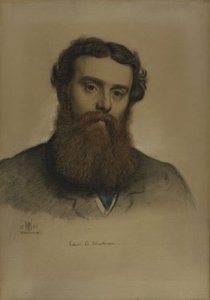
Robert Braithwaite Martineau
1826 - 1869 , United Kingdom
Quick Facts
- Artistic Movement Or Style: Pre-Raphaelite, Realism
- Artists Who Influenced This Artist: ['William Holman Hunt']
- Date Of Birth: 1826
- Date Of Death: 1869
- Full Name: Robert Braithwaite Martineau
- Nationality: British
- Notable Artworks:
- The Last Day in the Old Home
- Girl with a Hoop
- Kit’s Writing Lesson
- Place Of Birth: London, UK
Related Articles
Dante Gabriel Rossetti's 25 Masterpieces: A Journey Through Victorian Art & Symbolism | ArtsDot
Explore 25 iconic artworks by Dante Gabriel Rossetti, a leading Pre-Raphaelite artist. Discover the stories behind masterpieces like 'Proserpine' & 'Beata Beatrix'. Find museum-quality art reproductions and elevate your home decor with ArtsDot.com.
Slate Blue Masterpieces: 10 Iconic Paintings & Timeless Home Decor Ideas
Immerse yourself in the captivating world of slate blue! Explore 10 iconic paintings by Monet, Van Gogh & Renoir. Discover their stories, techniques & find museum-quality art reproductions for your home at .
Sir John Everett Millais: Pre-Raphaelite Rebellion & Victorian Narrative Detail
Explore the revolutionary art of Sir John Everett Millais & the Pre-Raphaelite Brotherhood. Discover their radical realism, symbolic narratives, and lasting impact on Victorian aesthetics. A deep dive into 19th-century masterpieces.
Ford Madox Brown: Pre-Raphaelite Visionary & Victorian Social Commentary
Explore the life & art of Ford Madox Brown, a pivotal Pre-Raphaelite painter renowned for his powerful social commentary and masterpiece 'Work'. Discover his lasting influence on British art history.
Arthur Hughes: Pre-Raphaelite Visions of Beauty & Melancholy
Explore the captivating world of Arthur Hughes (1832-1915), a leading Pre-Raphaelite painter. Discover his dreamy landscapes, poetic narratives & iconic Victorian artworks. Learn about his life, style & collecting today.