 Preview
 Send
Send Share
Share
 Details

 Download
 Similars
 X-Ray
X-Ray Diaporama
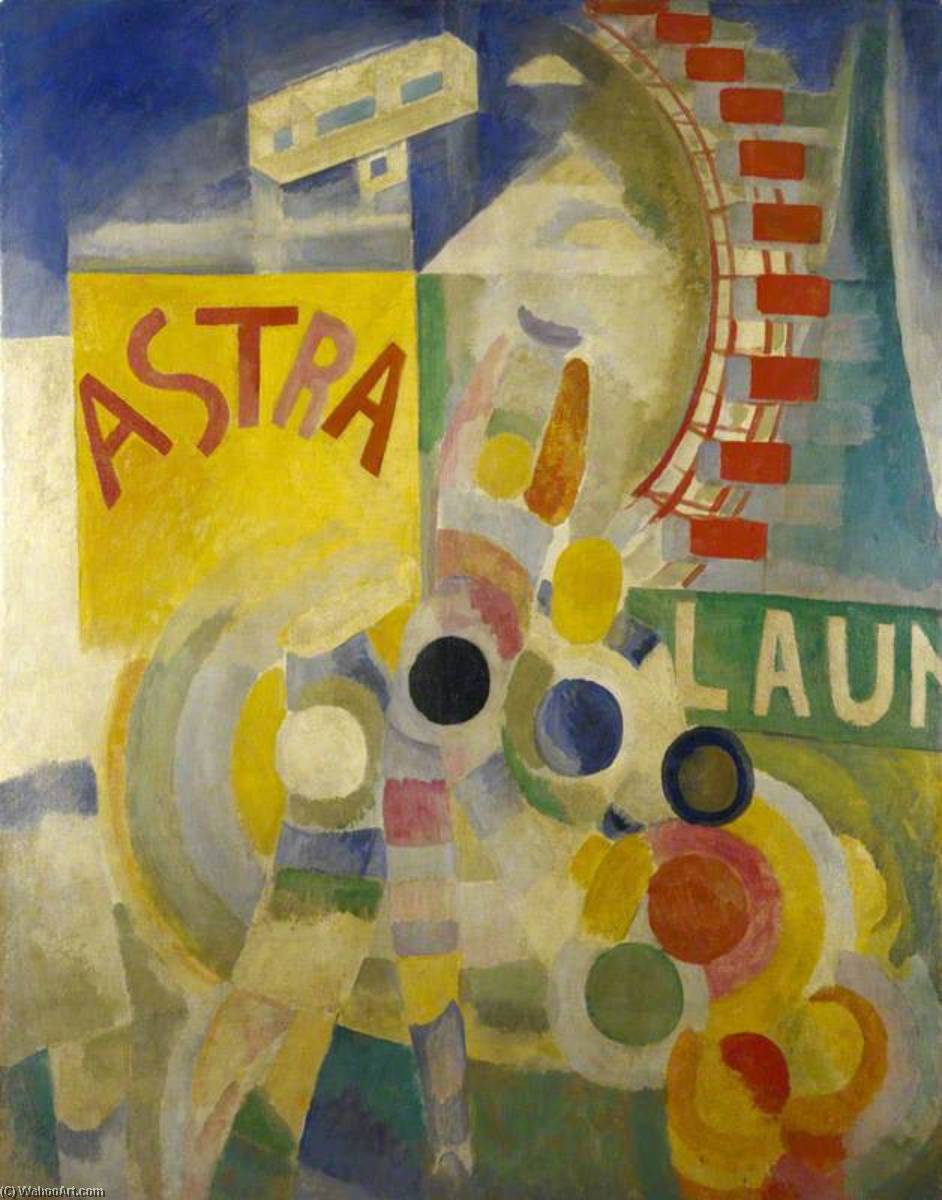
L'équipe de Cardiff (The Cardiff Team)
 Cubism
 1923
1923- Early Modern
 147.0 x 114.0 cm
 Read More
Giclée / Art Print
Museum-quality giclée or canvas print with fast production and flexible finish options. ( Buy Hand Made Painting Buy Image)




P118B $10

P118H $10

P118W $10

P438Z $10

P508JH $12

P508YH $12

P805H $10

P805Z $10

P919BZ $10

P919G $10

P919XJ $10

P959ZH $10

P968JZ $12

W106C $8

W218G $10

W218JH $8

W218Y $10

W307PJ $10

W316G $10

W316PJ $8

W316Y $10

W398PJ $8

W4111J $10

W500HY $15

W500JH $15

W692G $12

W849H $8

W940BG $15

W953PJ $8




Pick from our preset sizes that match the artwork's original proportions.

You may enter your own dimensions to fit a specific frame or space. If your selected size does not match the original image's proportions, we will either crop the artwork or extend the image with a mirrored or solid-fill edge. A digital mockup will be sent for your approval before production begins.
Please note that the on-screen preview does not reflect the actual cropping or extension. Only the mockup will accurately show the final composition.
While custom sizes are available, we recommend selecting a dimension from the predefined list to preserve the original proportions.
Worldwide Delivery () in 2 weeks instead of standard 4/5 weeks. (16 August)

Free Worldwide Express Shipping

High-Quality Linen Canvas

Full Shipping Insurance

Customs Tax Refund Guarantee

True Color Matching Guarantee

60-Day Return Policy (Defects Only)

100% Money-Back Guarantee

Bulk Discount Offer
 Glass option is only available in size under 110 CM

L'équipe de Cardiff (The Cardiff Team)
Giclée / Art Print
Reproduction Size
-


Total Price
$ 63
Collectible Description
L’Équipe de Cardiff (The Cardiff Team) – A Cubist Symphony of Sport and Modernity
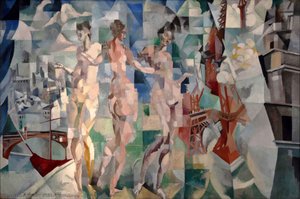
Robert Delaunay's L’équipe de Cardiff, painted in 1923, is more than just a depiction of a rugby match; it’s a vibrant explosion of color and geometric form that encapsulates the spirit of early 20th-century modernism. This remarkable canvas, now measuring 147 x 114 cm, offers a captivating glimpse into Delaunay's innovative approach to capturing not just visual reality but the very essence of movement and energy – a hallmark of his Orphist style.
The scene itself is dominated by the action of a Cardiff rugby team in full flight. Six players, rendered with dynamic lines and bold color blocks, are frozen mid-play, their movements suggested through fragmented forms and overlapping planes. The composition isn’t concerned with photographic realism; instead, Delaunay employs a deliberately distorted perspective, prioritizing the expressive power of shape and color over strict representational accuracy. Notice how the figures aren't fully defined – they dissolve into geometric elements, echoing the broader trends within Cubism and Fauvism.
A Fusion of Sport, Technology, and Orphism
The painting’s subject matter is deeply intertwined with the cultural landscape of 1923 France. Rugby was experiencing a period of immense popularity, fueled by growing interest in British sports and a burgeoning sense of national identity. Delaunay cleverly incorporates this sporting fervor into his artistic vision. However, he elevates it beyond mere illustration; the rugby scene becomes a vehicle for exploring broader themes of modernity, technological advancement, and the very nature of perception.
Observe the prominent ‘ASTRA’ signage – a reference to a brand associated with travel and exploration, subtly suggesting the dynamism of movement and the allure of distant lands. Behind the players, Delaunay includes iconic symbols of the era: a biplane soaring through the sky and a rollercoaster, representing the rapid technological innovations transforming society. These elements aren't merely decorative; they contribute to the painting’s overall commentary on the changing world.
Technique and Color – The Heart of Orphism
Delaunay’s masterful technique is immediately apparent in the textured brushstrokes and layered application of paint. Executed in oil on canvas, the artwork showcases a deliberate roughness, adding to its visual intensity. The color palette—a bold combination of yellows, blues, greens, reds, and browns—is central to Delaunay's Orphist philosophy. He believed that color itself possessed an independent existence and could be used to evoke emotion and create harmony.
The simultaneous arrangement of colors, a key element of Orphism, is brilliantly realized here. The fragmented shapes don’t simply represent objects; they are imbued with color, creating a dynamic interplay of light and shadow that pulsates with energy. This technique, alongside the flattened perspective, creates an immersive experience for the viewer, inviting them to participate in Delaunay's exploration of visual perception.
A Legacy of Innovation
L’équipe de Cardiff stands as a pivotal work in Robert Delaunay’s career and a testament to his pioneering role in modern art. It exemplifies the radical experimentation that defined Orphism, influencing generations of artists who sought to break free from traditional representational conventions. This reproduction offers an exceptional opportunity to own a piece of this artistic history – a vibrant, dynamic artwork that continues to resonate with its bold vision and innovative spirit.
Related Artworks
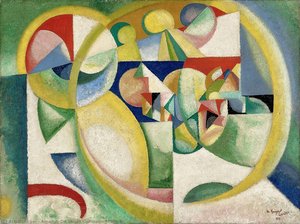
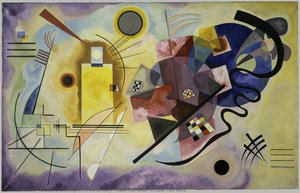
Artist Biography
A Pioneer of Abstract Color: The Life and Art of Robert Delaunay
Robert Delaunay, born in Paris in 1885, emerged as a pivotal figure in the radical artistic shifts of the early twentieth century. Though initially drawn to more traditional forms of painting, his journey led him toward an exploration of color and light that would ultimately define his legacy and contribute significantly to the birth of abstract art. Delaunay wasn’t merely interested in *representing* the world; he sought to capture its very essence through a vibrant language of geometric shapes and luminous hues, co-founding the Orphism movement with his wife, Sonia Delaunay, and others who shared their vision. His early life was marked by a degree of instability – his parents divorced when he was young, and he was raised by relatives – but this perhaps fostered an independent spirit that would serve him well in challenging artistic conventions. He initially pursued decorative arts, but quickly gravitated towards painting, exhibiting at the Salon des Indépendants as early as 1904, demonstrating a burgeoning talent and ambition.From Divisionism to the Dawn of Orphism
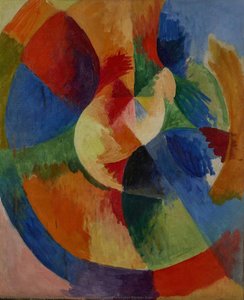
Delaunay’s artistic development was characterized by constant experimentation. He initially engaged with Neo-Impressionism, or Divisionism, absorbing its principles of applying small, distinct dots of color to create a shimmering effect. However, he soon moved beyond simply replicating optical phenomena; he began to investigate the expressive potential of color itself. A crucial friendship with Jean Metzinger proved formative during this period, as they explored the possibilities of fragmented forms and mosaic-like compositions. These early collaborations laid groundwork for their later involvement in Cubism, though Delaunay would ultimately diverge from its more analytical approach. He wasn’t interested in dissecting objects into geometric components; rather, he sought to synthesize them into dynamic arrangements of color and light. This shift culminated in the development of Orphism – a term coined by the poet Guillaume Apollinaire – which aimed to create a purely abstract art that evoked emotional responses through its chromatic intensity. Simultaneous Contrasts: Sun and Moon, exemplifies this approach, showcasing Delaunay’s masterful manipulation of color to convey a sense of energy and movement.The Power of ‘Simultanéité’ and Artistic Influence
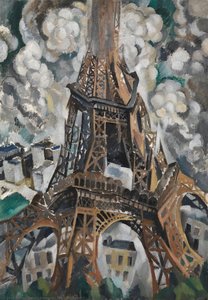
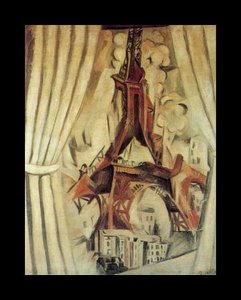
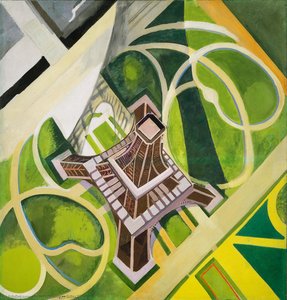
Central to Delaunay's artistic philosophy was the concept of “simultanéité” – the idea that colors interact with each other, creating new sensations and perceptions. He believed that color wasn’t merely a descriptive element but an active force capable of shaping our experience of reality. This belief informed his series of paintings depicting the Eiffel Tower, where he deconstructed the iconic structure into a network of intersecting planes and vibrant hues. These weren't depictions *of* the tower, but rather explorations of how light and color transformed its appearance. Delaunay’s theories resonated deeply with other artists of his time, influencing figures like Paul Klee, Franz Marc, August Macke, and even Russian avant-garde movements. His emphasis on abstraction and the expressive power of color helped pave the way for a new generation of artists who rejected representational conventions in favor of purely visual forms. He wasn’t simply creating paintings; he was developing a theoretical framework for understanding the relationship between color, light, and perception.Later Years and Enduring Legacy
The outbreak of World War I forced Delaunay and his wife to seek refuge in Spain and Portugal, where they continued to work and exhibit. After returning to Paris in the 1920s, he explored a range of subjects, including portraits and figurative scenes, but always remained committed to his core principles of color and abstraction. In his later years, Delaunay revisited earlier themes, creating increasingly complex and dynamic compositions. He also undertook ambitious projects such as designing large-scale colored reliefs for the 1937 Paris International Exposition, demonstrating his ability to translate his artistic vision into architectural contexts. Robert Delaunay’s untimely death in 1941 marked a loss for the art world, but his influence continues to be felt today. His pioneering work laid the foundation for many subsequent developments in abstract art, and his exploration of color remains a source of inspiration for artists across disciplines. His legacy is not merely one of aesthetic innovation, but also of intellectual inquiry – a testament to the power of art to transform our understanding of the world around us.Notable Works
- The Eiffel Tower (1909-1911)
- Simultaneous Contrasts: Sun and Moon (1913)
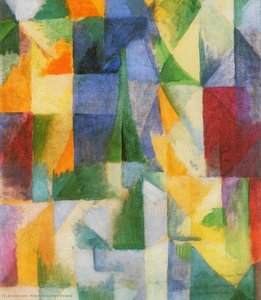
- Windows Open Simultaneously, 1st Part, 3rd Motif (1912)
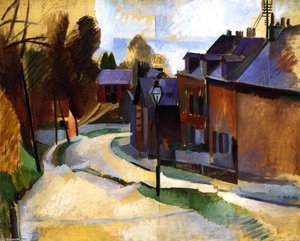
- Road in Laon (1910)
- Rhythms (1934)
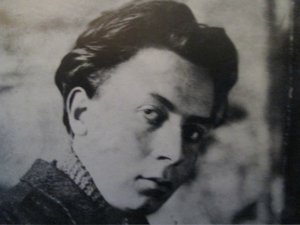
Robert Delaunay
1885 - 1941 , France
Quick Facts
- Artistic Movement Or Style: Orphism, Cubism
- Artists Or Movements Influenced By This Artist:
- Stanton Macdonald-Wright
- Sonia Delaunay
- Der Blaue Reiter
- Artists Who Influenced This Artist: ['Paul Klee']
- Date Of Birth: April 12, 1885
- Date Of Death: 1941
- Full Name: Robert Delaunay
- Nationality: French
- Notable Artworks:
- Eiffel Tower
- Simultaneous Contrasts
- Windows Open Simultaneously
- Place Of Birth: Paris, France
Related Articles

Geometric Abstraction's 10 Defining Masterpieces | Art for Your Home - ArtsDot
Explore 10 defining masterpieces of Geometric Abstraction! Discover Kandinsky, Mondrian & Malevich’s iconic works. Find museum-quality art reproductions and curated decor ideas to elevate your home at ArtsDot.com.
Kandinsky's Masterpieces: 25 Paintings That Define Abstract Art | ArtsDot
Journey through Wassily Kandinsky's 25 most iconic abstract paintings. Explore his revolutionary use of color, form & spiritual expressionism. Find museum-quality Kandinsky reproductions and elevate your home decor with ArtsDot.com. Discover all masterpieces on ArtsDot.com!
Slate Blue Masterpieces: 10 Iconic Paintings & Timeless Home Decor Ideas
Immerse yourself in the captivating world of slate blue! Explore 10 iconic paintings by Monet, Van Gogh & Renoir. Discover their stories, techniques & find museum-quality art reproductions for your home at .
Abstract Expressionism's 10 Defining Masterpieces |
Explore 10 defining Abstract Expressionism masterpieces by Pollock, Rothko & de Kooning. Discover the stories behind these iconic paintings and find museum-quality art reproductions to elevate your home decor on .
Beyond Form & Color: Geometric Abstraction's Evolution in 20th/21st Century Art
Explore the evolution of geometric abstraction from Cubism to contemporary art. Discover key artists like Malevich & Mondrian, investment insights, and expert collecting advice at ArtsDot.