 Preview
 Send
Send Share
Share
 Details

 Download
 Similars
 X-Ray
X-Ray Diaporama
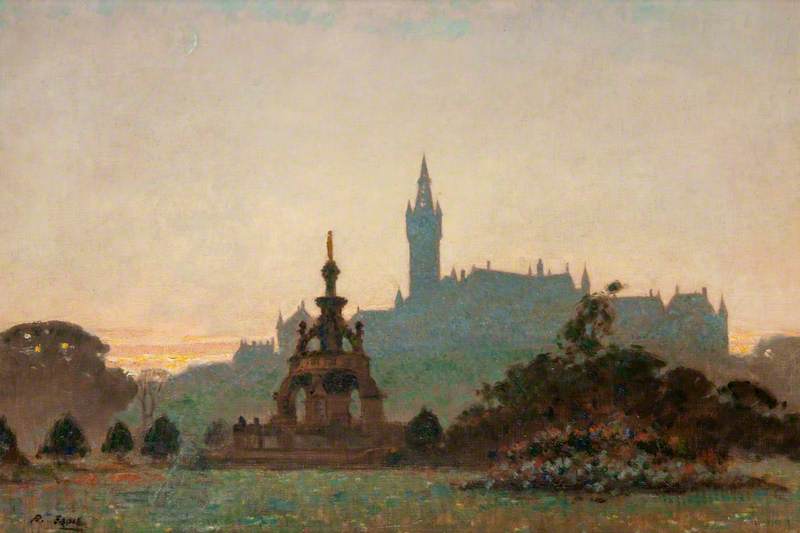
The Stewart Memorial Fountain, Kelvingrove Park, Glasgow


 Read More
Purchase a high-resolution, enhanced digital image, far superior to the online preview.
Each file is meticulously prepared by our in-house specialists using advanced tools and expert manual retouching. We ensure every image has exceptional clarity, precise color accuracy, and fine detail.
The final file is delivered via email within 72 hours, optimized for immediate use in professional, editorial, and print environments. This is the same quality trusted by top-tier design studios, publishers, and galleries.
Digital Image
Download a high-resolution file for personal display, printing, and creative projects. ( Buy Print Buy Hand Made Painting)
Included in Every Digital Image Order
Expert Digital Delivery, Guaranteed
When you choose ArtsDot.com, you're not just getting an image - you're receiving a professionally enhanced digital artwork, crafted with precision and backed by a satisfaction guarantee. Here's everything that comes with your order, automatically:

Fast Email Delivery
Your high-resolution digital image file will be emailed to you within 72 hours of ordering - ready for immediate use.

AI-Enhanced Digital File
Your artwork is professionally optimized using advanced AI tools and manual editing, ensuring maximum detail, clarity, and color accuracy.

Free Lifetime Re-Delivery
Accidentally deleted or lost your file? No worries - we'll resend it to you anytime, free of charge.

No Import Fees - Ever
Enjoy your artwork instantly with zero customs, duties, or delivery fees - digital downloads are always tax-free.

Color Accuracy Guarantee
We ensure your digital image reflects the original colors as closely as possible using professional tools and color management.

60-Day Satisfaction Guarantee
If you're not satisfied with your digital image, we'll revise it or refund 100% within 60 days - no questions asked.

100% Money-Back Guarantee
Not satisfied? Get a full refund within 60 days of receiving your digital file - no questions asked.

Bulk Order Discounts
Buy 3 images, save 10% - Buy 5, save 15% - Buy 10+, save 20%. Great for creative projects, galleries, and agencies.
Related Artworks
Artist Biography
A Life Painted in Light: The Story of Robert Eadie
Robert Eadie, a name perhaps less celebrated than some of his contemporaries, nevertheless occupies a significant and charming niche within the landscape of early 20th-century Scottish art. Born in Glasgow in 1877, Eadie’s artistic journey was deeply interwoven with the vibrant cultural tapestry of his city and the surrounding Scottish countryside. He wasn't a revolutionary figure overturning established norms; rather, he was a dedicated observer, a skilled craftsman who captured the essence of a disappearing world with quiet grace and meticulous detail. His life, though relatively undocumented in grand biographical strokes, speaks volumes through the enduring beauty of his watercolors, engravings, and illustrations – works that offer a poignant glimpse into a Scotland poised between tradition and modernity. Eadie’s early training remains somewhat obscure, but it is clear he benefited from the thriving art education system available in Glasgow at the time, likely attending classes at the Glasgow School of Art, though formal records are scarce. This grounding provided him with a solid foundation in draftsmanship and an appreciation for the principles of design that would characterize his entire career.The Scottish Palette: Influences and Early Development
Eadie’s artistic sensibilities were profoundly shaped by the prevailing aesthetic currents of his youth. The Glasgow School, spearheaded by Charles Rennie Mackintosh, was at its zenith, though Eadie's work doesn’t directly reflect the Art Nouveau style. Instead, he gravitated towards a more representational approach, deeply influenced by the Scottish Colourists – artists like Samuel Peploe and Francis Cadell – who were beginning to infuse their landscapes with bold hues and expressive brushwork. However, Eadie’s palette remained generally softer, more subdued, reflecting a preference for atmospheric effects and subtle tonal variations.- Early Subjects: His early works focused on scenes around Glasgow: bustling streets, industrial landscapes softened by the play of light and shadow, and intimate domestic interiors.
- Engraving as Foundation: Engraving played a crucial role in his development. The discipline demanded precision and an acute understanding of form, skills that he later transferred to his watercolor painting.
- The Influence of the Etching Revival: He was part of a wider movement reviving etching as a serious art form, contributing regularly to exhibitions and publications.