 Preview
 Send
Send Share
Share
 Details

 Download
 Similars
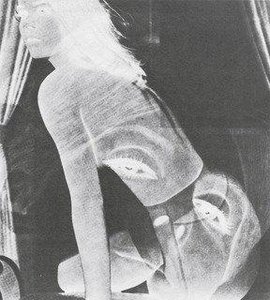
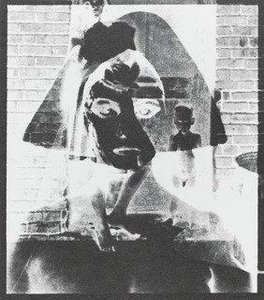
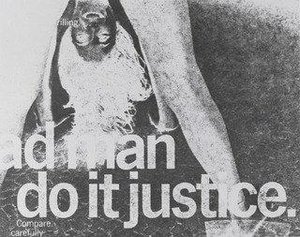
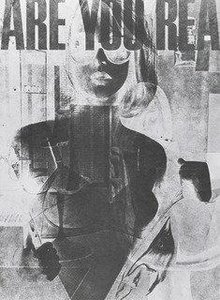
 X-Ray
X-Ray Diaporama
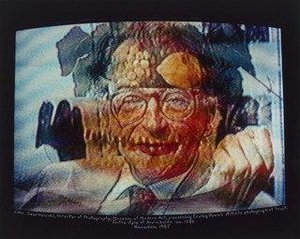
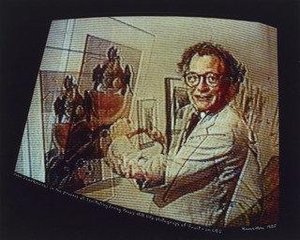
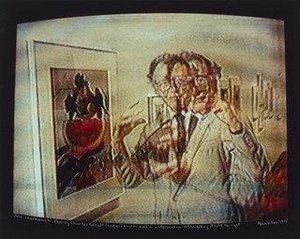
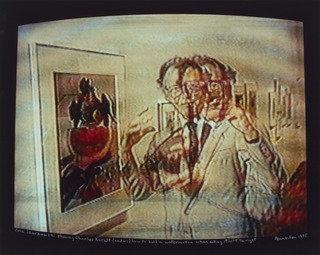
John Szarkowski showing Charles Kuralt (and us) how to hold a watermelon when eating it left to right
 1985
1985 40.0 x 51.0 cm
 Read More
Hand Made Oil Reproduction
Hand-painted oil on canvas in your size and frame, made to order by our artists. ( Buy Print Buy Image)




































Pick from our preset sizes that match the artwork's original proportions.

You may enter your own dimensions to fit a specific frame or space. If your selected size does not match the original image's proportions, we will either crop the artwork or extend the painting with additional hand-painted elements. A digital mockup will be sent for your approval before production begins.
Please note that the on-screen preview does not reflect the actual cropping or extension. Only the mockup will accurately show the final composition.
While custom sizes are available, we recommend selecting a dimension from the predefined list to preserve the original proportions.
After order, ArtsDot.com team will email client for instructions and provide a mockup preview
Worldwide Delivery () in 3/4 weeks instead of standard 5 weeks. (25 August). No compromise on quality.

Free Worldwide Express Shipping

High-Quality Linen Canvas

Full Shipping Insurance

Customs Tax Refund Guarantee

True Color Matching Guarantee

60-Day Return Policy (Defects Only)

100% Money-Back Guarantee

Bulk Discount Offer
 Glass option is only available in size under 110 CM

John Szarkowski showing Charles Kuralt (and us) how to hold a watermelon when eating it left to right
Reproduction Medium
Reproduction Size
-


Total Price
$ 263
Related Artworks








Artist Biography
The Paraphotographer: The Visionary World of Robert Heinecken
In the vast landscape of twentieth-century contemporary art, few figures navigated the boundary between reality and artifice as masterfully as Robert Heinecken. Born in Denver, Colorado, in 1931, Heinecken’s journey was one of profound movement and transformation, stretching from his early years in Iowa to his formative education at UCLA. His life was marked by a unique intersection of discipline and rebellion; having served as an officer in the Marines and even a fighter pilot in the Navy, he brought a meticulous, almost surgical precision to his later artistic explorations. Yet, it was within the realm of the image that he truly found his voice, eventually adopting the self-styled moniker of "paraphotographer." This term perfectly encapsulated his revolutionary approach: an artist who created photographic experiences not through the traditional lens of a camera, but through the radical manipulation, layering, and recontextualization of existing visual media.
Heinecken’s artistic evolution was deeply rooted in the subversive currents of Surrealism. Influenced by the provocative theories of André Breton and Georges Bataille, he sought to destabilize the viewer's perception of the everyday. He became a master of the unexpected juxtaposition, finding beauty and tension in the collision of disparate elements. This fascination with the subconscious and the uncanny led him to push the boundaries of printmaking and montage. His work did not merely reflect the world; it interrogated the very fabric of how we consume images. By repurposing the detritus of mass media—magazines, advertisements, and television broadcasts—he turned the tools of consumer culture against themselves, exposing the hidden layers of desire, identity, and social control embedded within popular imagery.
A Revolution in Media and Montage
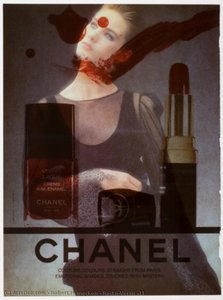
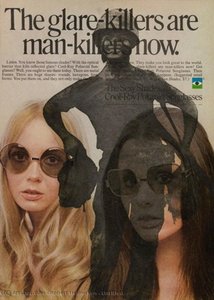
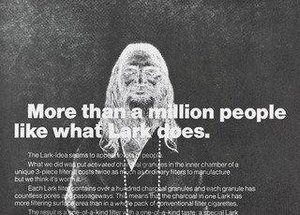
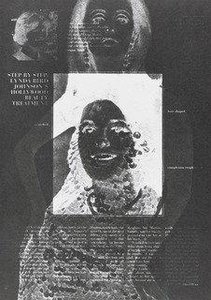
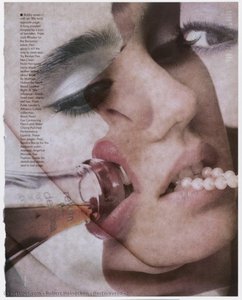
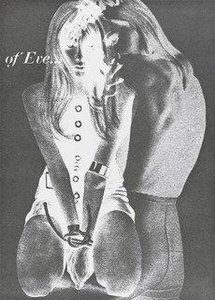
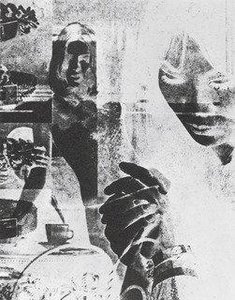
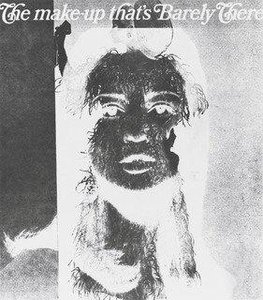
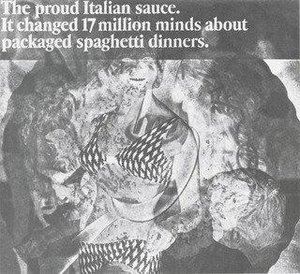
The true brilliance of Heinecken lay in his ability to transform the ephemeral nature of mass communication into enduring works of conceptual depth. His technique was a relentless experiment with light, transparency, and texture. One of his most celebrated innovations was the "Are You Rea" series, where he utilized a light table to create contact prints that captured imagery from both sides of a single magazine page. This method produced haunting, translucent compositions where text and figure bled into one another, creating a dreamlike state of visual ambiguity. Through these works, Heinecken explored the fragility of communication and the isolation inherent in a world saturated with information.
His commitment to pushing artistic boundaries was further solidified through his involvement with the Painters Eleven collective. As a member of this influential group, he embraced the principles of conceptual art, prioritizing the underlying idea over mere aesthetic pleasure. This period saw him engaging in even more provocative social commentaries. He famously manipulated popular publications like Time and Vogue, inserting subversive or sexualized imagery into their pages and placing them back on newsstands to confront unsuspecting consumers with the hidden realities of the media landscape. His work during this era was not just art; it was a performance of cultural critique, challenging the boundaries between public consumption and private provocation.
Legacy of Light and Shadow
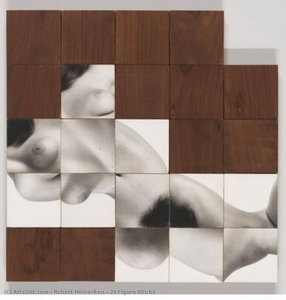
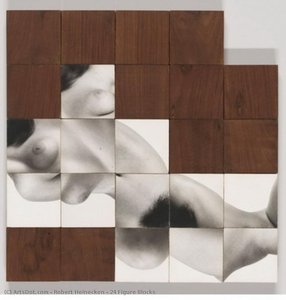
As his career progressed, Heinecken continued to invent new ways to "photograph" without a camera, moving into the realm of foodograms and videograms. In his Various Lunches series, he used light-sensitive materials to create direct impressions of food, turning organic matter into ghostly, sculptural forms. Later, he captured the flickering energy of television itself, exposing photographic paper directly to the glow of the screen to create "videograms" that embodied the ephemeral pulse of the electronic age. His 24 Figure Blocks series remains a testament to his technical mastery, utilizing a prismatic light box to create a Cubist-inspired dance of shifting perspectives.
The historical significance of Robert Heinecken cannot be overstated. As a founder of the photography program at UCLA, he shaped generations of artists, instilling in them a respect for experimentation and a critical eye toward visual culture. His legacy resides in the way he taught us to look through an image rather than just at it. He remains a pivotal figure who bridged the gap between traditional printmaking and the burgeoning era of conceptualism, leaving behind a body of work that continues to haunt, provoke, and illuminate the complexities of our visual existence.
robert heinecken
1931 - 2006
Quick Facts
- Artistic Movement Or Style: Recto/Verso Art
- Artists Or Movements Influenced By This Artist: ['Mirrors and Windows: American Photography Since 1960']
- Artists Who Influenced This Artist:
- Van Deren Coke
- Jerry Uelsmann
- Ray Metzker
- Harry Callahan
- Date Of Death: 2006
- Full Name: Robert Heinecken
- Nationality: Canadian
- Notable Artworks: ['Are You Rea 19']
- Place Of Birth: Denver, Colorado