 Preview
 Send
Send Share
Share
 Details

 Download
 Similars
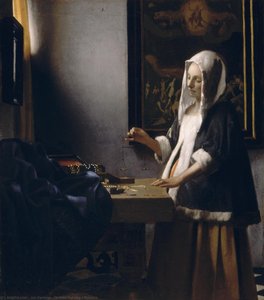
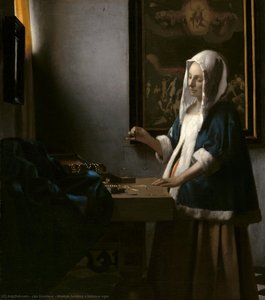
 X-Ray
X-Ray Diaporama
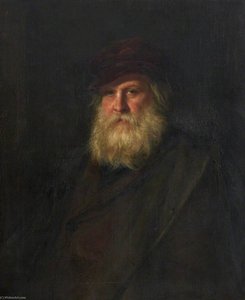
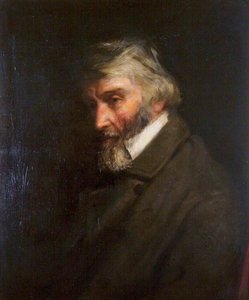
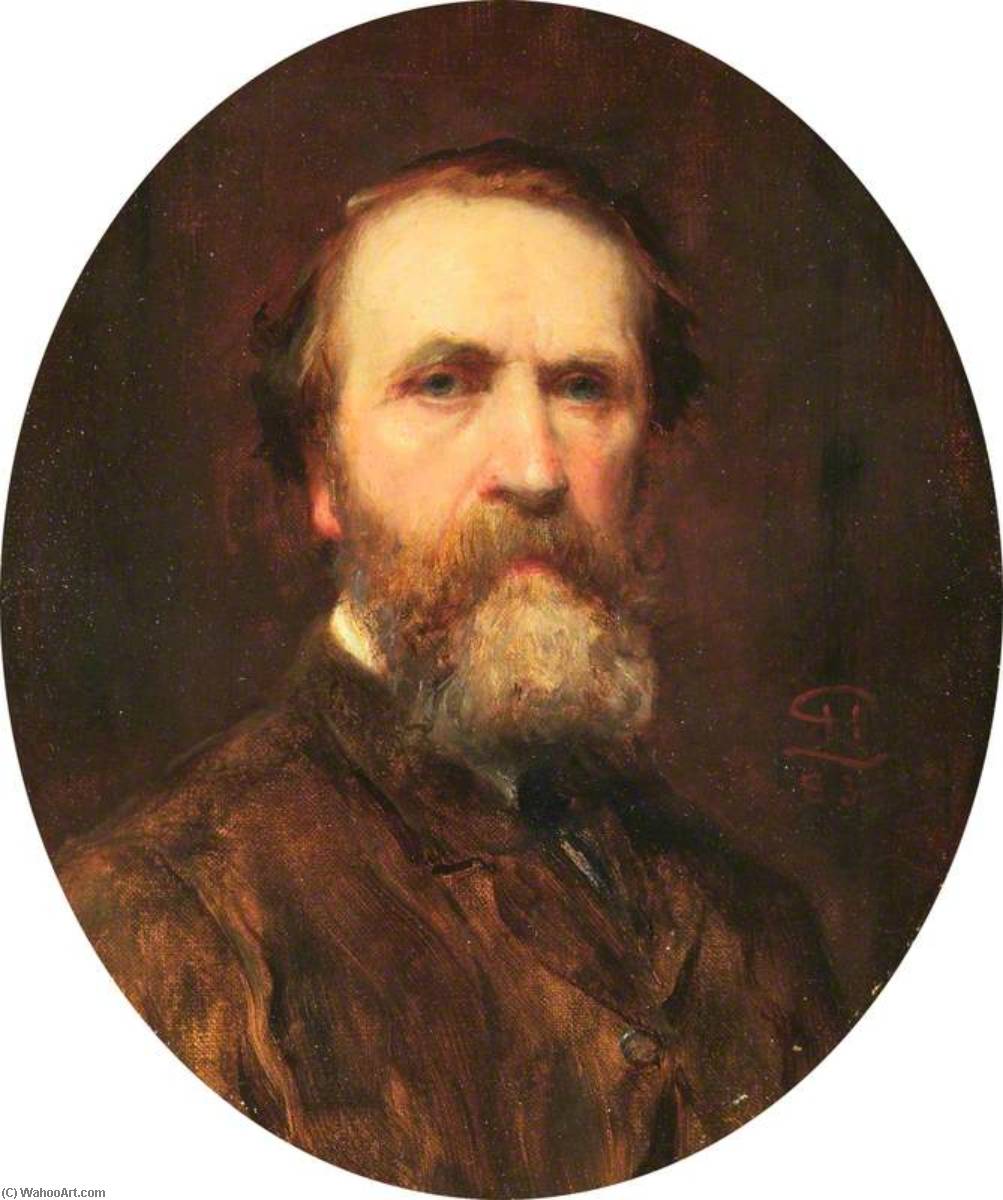
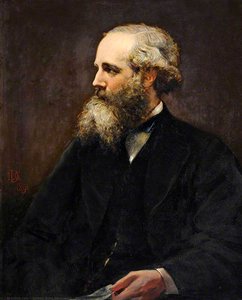
Self Portrait
 1883
1883 35.0 x 30.0 cm
 Read More
Hand Made Oil Reproduction
Hand-painted oil on canvas in your size and frame, made to order by our artists. ( Buy Print Buy Image)




































Pick from our preset sizes that match the artwork's original proportions.

You may enter your own dimensions to fit a specific frame or space. If your selected size does not match the original image's proportions, we will either crop the artwork or extend the painting with additional hand-painted elements. A digital mockup will be sent for your approval before production begins.
Please note that the on-screen preview does not reflect the actual cropping or extension. Only the mockup will accurately show the final composition.
While custom sizes are available, we recommend selecting a dimension from the predefined list to preserve the original proportions.
After order, ArtsDot.com team will email client for instructions and provide a mockup preview
Worldwide Delivery () in 3/4 weeks instead of standard 5 weeks. (18 August). No compromise on quality.

Free Worldwide Express Shipping

High-Quality Linen Canvas

Full Shipping Insurance

Customs Tax Refund Guarantee

True Color Matching Guarantee

60-Day Return Policy (Defects Only)

100% Money-Back Guarantee

Bulk Discount Offer
 Glass option is only available in size under 110 CM

Self Portrait
Reproduction Medium
Reproduction Size
-


Total Price
$ 263
Related Artworks
Artist Biography
A Victorian Visionary: The Life and Legacy of Robert Inerarity Herdman
Robert Inerarity Herdman (1829–1888) stands as a luminous figure within the landscape of nineteenth-century Scottish art, a painter whose brush captured not merely the physical likeness of his subjects but the very soul of the Celtic Revival. Born in the quiet beauty of Rattray, near Blairgowrie, Perthshire, Herdman’s early life was marked by a profound intellectual depth. Though he initially turned his studies toward theology at St Andrews University, the calling of the canvas proved irresistible. This transition from the spiritual study of divinity to the visual exploration of light and form would define his career, allowing him to infuse his later works with a sense of sacredness and mythic resonance that few of his contemporaries could replicate. By 1847, Herdman had migrated to Edinburgh, seeking the mentorship of the era's most distinguished masters, Robert Scott Lauder and John Ballantyne. Under their rigorous tutelage, he developed a meticulous technique characterized by an extraordinary command over oil painting. His training was not merely technical but deeply philosophical; through his friendship with Professor John Stuart Blackie, Herdman became intimately acquainted with the richness of Celtic mythology and folklore. This influence acted as a guiding star for his artistic development, steering him away from mere academic realism toward a more evocative, narrative style that celebrated the pastoral beauty and spiritual heritage of Scotland.Mastery of Portraiture and the Pastoral Ideal
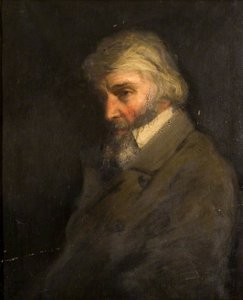
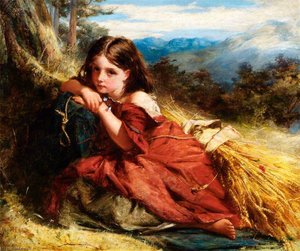
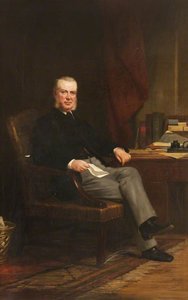
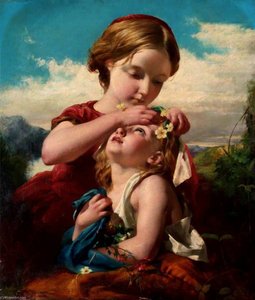
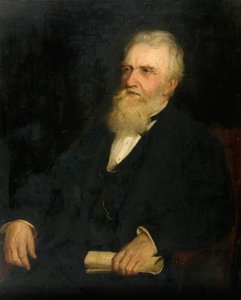
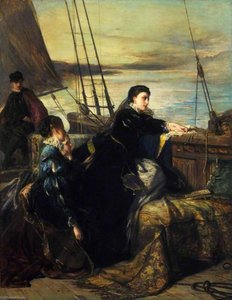
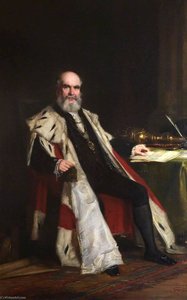
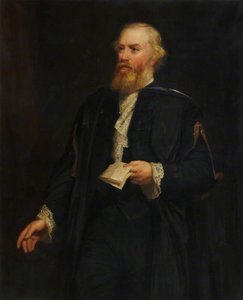
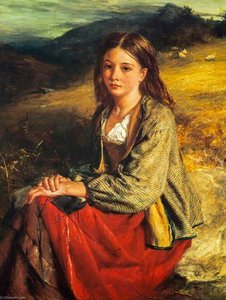
Herdman’s professional ascent was marked by significant institutional recognition, including his election as an Associate of the Royal Scottish Academy in 1861 and his subsequent elevation to Fellow in 1863. His reputation as a premier portraitist was solidified through prestigious commissions from various Scottish city councils, where he captured the dignity, character, and gravitas of the nation's most prominent figures. In these works, one observes a masterful use of chiaroscuro, where light and shadow dance across the features of his subjects to reveal layers of psychological depth. His portrait of Thomas Carlyle in 1875 remains a hauntingly beautiful study, utilizing heavy impasto and somber tones to embody the intellectual intensity of the great historian. Yet, while his portraits commanded respect in the halls of power, it is perhaps his more intimate, idyllic scenes that have secured his place in the hearts of art lovers. Herdman possessed a unique ability to weave storytelling into the landscape, most notably through his celebrated series of paintings featuring young girls amidst picturesque, folkloric settings. In works such as "Morning", created in 1861, he presents a serene world where a child in a blue hat holds a musical instrument against a backdrop of tranquil mountains and water. These compositions are more than mere depictions of childhood; they are windows into a romanticized, pastoral Eden, reflecting a deep-seated nostalgia for a vanishing way of life.Historical Significance and Artistic Endurance
The breadth of Herdman’s impact is evidenced by the enduring presence of his work in some of the world's most esteemed collections. From the National Portrait Gallery in London to the Royal Scottish Academy, his canvases continue to serve as vital touchstones for understanding the Victorian era's aesthetic and cultural shifts. His ability to bridge the gap between formal, high-society portraiture and the emotive, myth-driven landscapes of the Celtic movement allowed him to speak to a wide audience, from the political elite to the romantic dreamer. As we reflect on his life, several key elements define his enduring historical importance:- The Synthesis of Traditions: His unique ability to blend the rigorous academic training of Edinburgh with the burgeoning spirit of the Celtic Revival.
- Narrative Depth: The use of landscape not just as a setting, but as a vessel for folklore, emotion, and spiritual contemplation.
- Technical Versatility: A mastery that spanned from the somber, realistic studies of historical figures to the bright, delicate textures of his pastoral scenes.
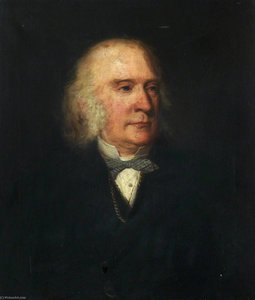
robert inerarity herdman
1829 - 1888
Quick Facts
- Artistic Movement Or Style: Victorian Portraiture; Pastoral Scenes
- Artists Or Movements Influenced By This Artist: ['Celtic Revival']
- Artists Who Influenced This Artist: ['Robert Scott Lauder']
- Date Of Birth: 1829
- Date Of Death: 1888
- Full Name: Robert Inerarity Herdman
- Nationality: Scottish
- Notable Artworks:
- Morning
- The Arrochar Gleaner
- Lochiel’s Warning
- Place Of Birth: Rattray, Blairgowrie, Perthshire