

 Preview
 Send
Send Share
Share
 Details

 Download
 Similars
 X-Ray
X-Ray Diaporama
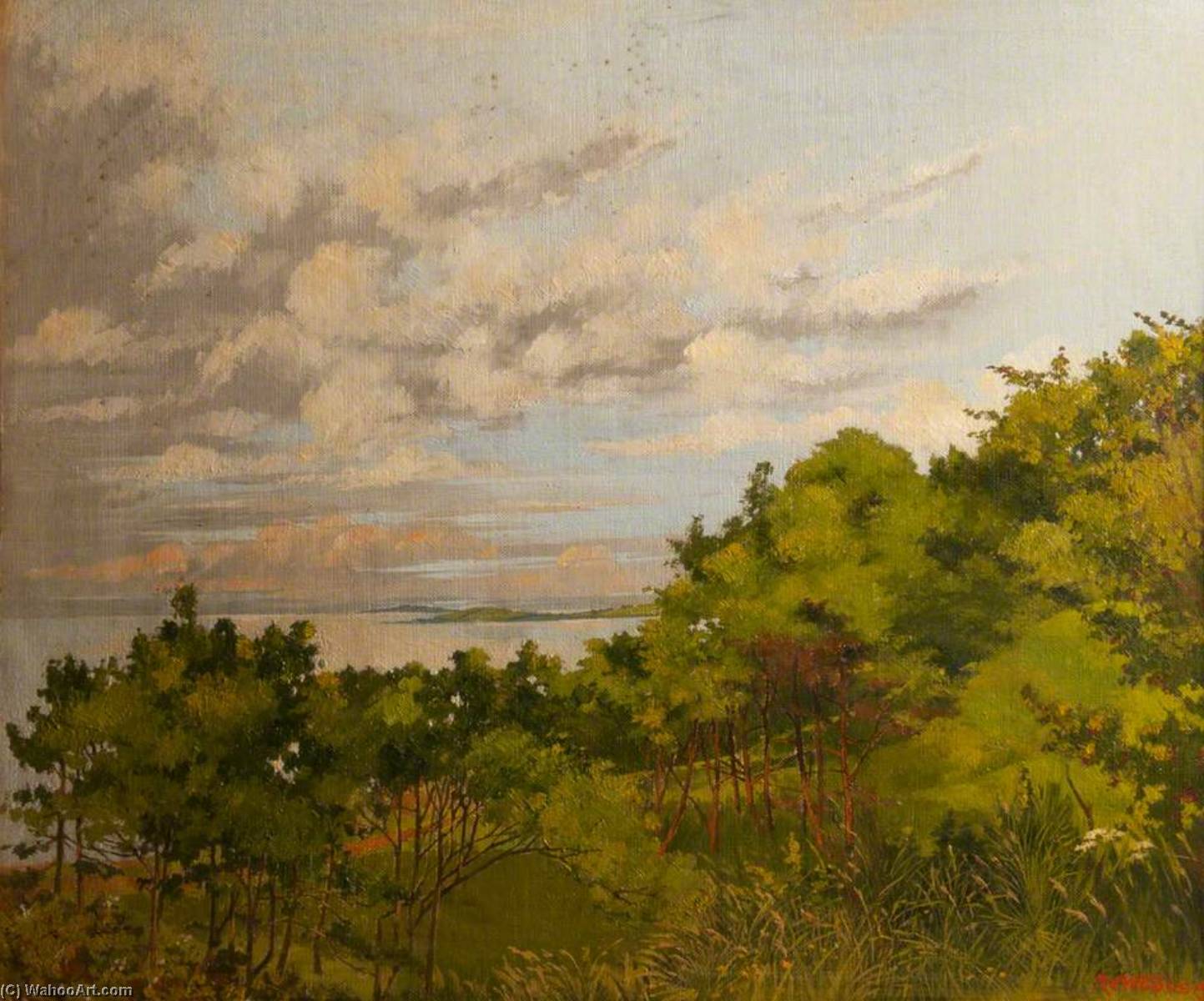
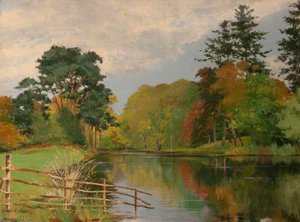
East View from Killaire House, Carnalea
 Impressionism
 1950
1950 49.0 x 59.0 cm
 Read More
Purchase a high-resolution, enhanced digital image, far superior to the online preview.
Each file is meticulously prepared by our in-house specialists using advanced tools and expert manual retouching. We ensure every image has exceptional clarity, precise color accuracy, and fine detail.
The final file is delivered via email within 72 hours, optimized for immediate use in professional, editorial, and print environments. This is the same quality trusted by top-tier design studios, publishers, and galleries.
Digital Image
Download a high-resolution file for personal display, printing, and creative projects. ( Buy Print Buy Hand Made Painting)
Included in Every Digital Image Order
Expert Digital Delivery, Guaranteed
When you choose ArtsDot.com, you're not just getting an image - you're receiving a professionally enhanced digital artwork, crafted with precision and backed by a satisfaction guarantee. Here's everything that comes with your order, automatically:

Fast Email Delivery
Your high-resolution digital image file will be emailed to you within 72 hours of ordering - ready for immediate use.

AI-Enhanced Digital File
Your artwork is professionally optimized using advanced AI tools and manual editing, ensuring maximum detail, clarity, and color accuracy.

Free Lifetime Re-Delivery
Accidentally deleted or lost your file? No worries - we'll resend it to you anytime, free of charge.

No Import Fees - Ever
Enjoy your artwork instantly with zero customs, duties, or delivery fees - digital downloads are always tax-free.

Color Accuracy Guarantee
We ensure your digital image reflects the original colors as closely as possible using professional tools and color management.

60-Day Satisfaction Guarantee
If you're not satisfied with your digital image, we'll revise it or refund 100% within 60 days - no questions asked.

100% Money-Back Guarantee
Not satisfied? Get a full refund within 60 days of receiving your digital file - no questions asked.

Bulk Order Discounts
Buy 3 images, save 10% - Buy 5, save 15% - Buy 10+, save 20%. Great for creative projects, galleries, and agencies.
Related Artworks

Artist Biography
Robert John Woods: A Vision of Scottish Wilderness
The evocative landscapes of Robert John Woods, a 19th-century Scottish artist, offer a profound glimpse into the untamed beauty of Scotland’s highlands and lochs. Born in Gorrie, Huron County, Canada West (later Ontario), in 1871, Woods’ artistic journey began not amidst the rolling hills of his birthplace, but within the rugged terrain of Dufferin County, where he established a farm and ultimately became reeve. This intimate connection with the land—its dramatic light, its shifting mists, and its resilient flora and fauna—became the very bedrock of his artistic vision. While often categorized as a landscape painter, Woods’ work transcends simple representation; it's imbued with a deep sense of atmosphere, mood, and a subtle, almost melancholic appreciation for nature’s power.
Woods’ early life remains somewhat shrouded in detail, though he later moved to Carrick Township in Bruce County. His artistic training is not extensively documented, suggesting a largely self-taught approach—a deliberate choice that allowed him to develop his unique style, heavily influenced by the Hudson River School movement and the Romantic ideals of capturing sublime natural beauty. The influence of artists like Thomas Cole and Frederic Church is evident in Woods’ use of dramatic light, expansive compositions, and an emphasis on conveying a sense of awe and wonder at the scale of the Scottish wilderness. However, unlike his American counterparts, Woods filtered this influence through a distinctly Scottish lens, prioritizing the unique character of his homeland.
The Palette of Highland Light
Woods’ artistic technique is characterized by a restrained palette—a deliberate avoidance of vibrant hues in favor of muted tones of grey, brown, ochre, and deep blues. This tonal control is crucial to creating the atmospheric depth and sense of distance that defines his landscapes. He masterfully employed glazing techniques, layering thin washes of color to build up subtle gradations and textures, mimicking the effects of light and shadow on water and stone. His brushwork is often loose and expressive, conveying a feeling of movement and spontaneity—as if capturing a fleeting moment in time.
A key element of Woods’ style is his ability to capture the elusive quality of Highland light. He wasn't simply depicting the landscape; he was attempting to translate its essence – the way sunlight filters through clouds, the shimmering reflections on lochs, and the dramatic interplay of light and shadow across rugged peaks. His paintings rarely offer a clear, straightforward view; instead, they invite the viewer into a world of atmospheric suggestion, where forms are hinted at rather than explicitly defined.
Notable Works & Influences
Among Woods’ most celebrated works is “Monarch of the Glade” (1945), an oil landscape depicting a solitary pine tree standing sentinel amidst a vast expanse of moorland. The painting exemplifies his signature style—a masterful blend of atmospheric perspective, tonal control, and a profound appreciation for the solitude and majesty of the Scottish wilderness. The composition draws the eye towards the distant horizon, creating a sense of limitless space and emphasizing the insignificance of human presence within this grand landscape.
Another significant piece is “Stopping by Woods on a Snowy Evening,” though it’s important to note that this painting isn't directly related to Robert Frost's famous poem. Instead, it reflects the Romantic fascination with nature and the contemplation of solitude—themes prevalent in the art of the era. The scene depicts a quiet winter landscape, evoking a sense of peaceful introspection.
Woods’ work also demonstrates an awareness of contemporary artistic trends, particularly the influence of Japanese prints on Western artists during this period. The use of negative space and simplified forms—though less pronounced than in Japanese art—can be observed in his compositions, contributing to their overall sense of spaciousness and tranquility.
Legacy & Historical Context
Robert John Woods’ contribution to Scottish landscape painting is often understated, overshadowed by the more prominent figures of the Victorian era. However, his work represents a vital link between the Romantic tradition and the emerging modern aesthetic. His paintings offer a unique perspective on the Scottish Highlands—a vision shaped by personal experience, artistic sensibility, and a deep respect for the natural world.
During his lifetime, Woods’ art was exhibited in various venues, including the Royal Scottish Academy. His work gained recognition as a skilled interpreter of the Scottish landscape, capturing its dramatic beauty with remarkable sensitivity. Today, his paintings are held in public collections and private hands, serving as enduring reminders of Scotland's wild heart and the artistic vision of Robert John Woods.
It’s worth noting that while often categorized as an artist working within the Hudson River School tradition, Woods’ work possesses a distinctly Scottish character—a sensitivity to light, atmosphere, and the unique qualities of his homeland that sets him apart from his American counterparts. His legacy lies not just in his technical skill but also in his ability to evoke a profound sense of place and connection with the natural world.
robert john woods
1871 - 1955
Quick Facts
- Artistic Movement Or Style: Landscape Photography
- Artists Or Movements Influenced By This Artist: ['None listed']
- Artists Who Influenced This Artist: ['Hudson River School']
- Date Of Birth: January 7, 1859
- Date Of Death: June 19, 1944
- Full Name: Robert John Woods
- Nationality: Canadian
- Notable Artworks:
- Monarch of the Glade
- Stopping by Woods on a Snowy Evening
- Place Of Birth: Gorrie, Huron County, Canada

