

 Preview
 Send
Send Share
Share
 Details

 Download
 Similars
 X-Ray
X-Ray Diaporama
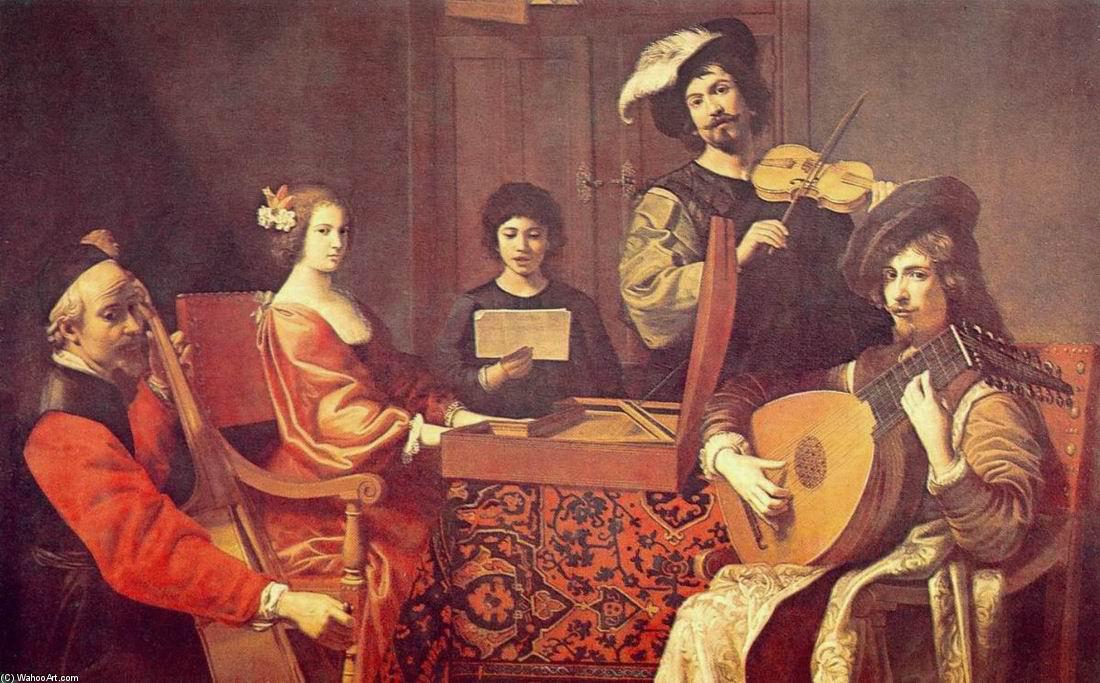
Concert


 Read More
Purchase a high-resolution, enhanced digital image, far superior to the online preview.
Each file is meticulously prepared by our in-house specialists using advanced tools and expert manual retouching. We ensure every image has exceptional clarity, precise color accuracy, and fine detail.
The final file is delivered via email within 72 hours, optimized for immediate use in professional, editorial, and print environments. This is the same quality trusted by top-tier design studios, publishers, and galleries.
Digital Image
Download a high-resolution file for personal display, printing, and creative projects. ( Buy Print Buy Hand Made Painting)
Included in Every Digital Image Order
Expert Digital Delivery, Guaranteed
When you choose ArtsDot.com, you're not just getting an image - you're receiving a professionally enhanced digital artwork, crafted with precision and backed by a satisfaction guarantee. Here's everything that comes with your order, automatically:

Fast Email Delivery
Your high-resolution digital image file will be emailed to you within 72 hours of ordering - ready for immediate use.

AI-Enhanced Digital File
Your artwork is professionally optimized using advanced AI tools and manual editing, ensuring maximum detail, clarity, and color accuracy.

Free Lifetime Re-Delivery
Accidentally deleted or lost your file? No worries - we'll resend it to you anytime, free of charge.

No Import Fees - Ever
Enjoy your artwork instantly with zero customs, duties, or delivery fees - digital downloads are always tax-free.

Color Accuracy Guarantee
We ensure your digital image reflects the original colors as closely as possible using professional tools and color management.

60-Day Satisfaction Guarantee
If you're not satisfied with your digital image, we'll revise it or refund 100% within 60 days - no questions asked.

100% Money-Back Guarantee
Not satisfied? Get a full refund within 60 days of receiving your digital file - no questions asked.

Bulk Order Discounts
Buy 3 images, save 10% - Buy 5, save 15% - Buy 10+, save 20%. Great for creative projects, galleries, and agencies.
Collectible Description
Robert Le Vrac de Tournières: Bridging Dutch Intimacy and Rococo Elegance
Robert Le Vrac de Tournières (1667–1752) stands as an intriguing figure in the annals of French Baroque painting, embodying a pivotal transitional period where influences from the Netherlands intertwined with the burgeoning stylistic sensibilities of the Rococo era. Unlike many contemporaries who adhered rigidly to established conventions, Tournières skillfully blended elements of Dutch genre scenes—characterized by their candid portrayal of everyday life and intimate interiors—with the lightness, ornamentation, and pastel hues that would soon define the Rococo style. This duality is palpable in his oeuvre, offering a glimpse into an artistic landscape grappling with evolving tastes and sensibilities.- Style & Technique: Tournières’ meticulous technique – evident in his precise rendering of drapery and figures—demonstrates a dedication to realism tempered by Rococo’s decorative impulse. He favored delicate coloring, prioritizing subtlety and nuance over dramatic contrasts, reflecting the prevailing aesthetic ideals of his time.
- Notable Works: Among Tournières' most celebrated paintings are *Invention of Drawing* (1716), a captivating depiction capturing the moment of artistic inspiration—a scene illuminated by candlelight—and *Portrait of Louis Henri de Bourbon*, prince de Condé, showcasing Tournières’ ability to convey aristocratic grandeur and psychological depth.
- Dutch Influence: The Dutch masters Schalken and Dou profoundly impacted Tournières' approach to composition and lighting, fostering a sensitivity for capturing naturalistic effects within formal settings. This influence is particularly noticeable in his genre paintings, where he strives to depict scenes with remarkable accuracy and emotional resonance.
Academic Recognition & Legacy
Tournières’ artistic merit was acknowledged by the Académie royale de peinture, securing him a respected position within the Parisian art world. He received two commissions into the academy—first in 1702 for portraiture, specifically capturing the likenesses of fellow artists Pierre Mosnier and Michel Corneille; and subsequently in 1716 as a history painter, tasked with illustrating *Invention of Drawing*. His success at the Salon of 1742 solidified his reputation as a skilled craftsman and contributed to his enduring legacy as a transitional artist bridging the Baroque and Rococo traditions. Critics recognized his careful technique and refined execution, praising him for prioritizing subtlety and nuance over ostentation.Symbolism & Emotional Impact
Tournières’ paintings resonate with themes of contemplation, domestic tranquility, and intellectual curiosity—values emblematic of the Rococo era's fascination with illusion and sensory pleasure. The soft lighting and pastel palettes employed in his works evoke a mood of serenity and refinement, inviting viewers to immerse themselves in scenes imbued with understated beauty. His portraits convey not merely physical likeness but also psychological characterization, capturing the essence of his subjects’ personalities and conveying their status within aristocratic society.Collecting & Reproduction Considerations
Today, Tournières' paintings grace notable collections worldwide, testament to his artistic excellence and enduring appeal. Reproductions of his masterpieces offer an opportunity to experience the grandeur and elegance of the Rococo style in a format accessible to collectors and interior designers alike. ArtsDot.com presents high-quality reproductions that faithfully capture the nuances of Tournières’ original compositions—allowing admirers to appreciate his artistry from afar.Related Artworks
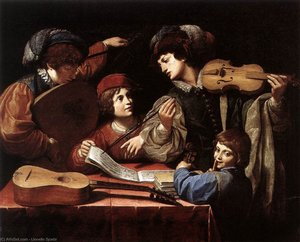
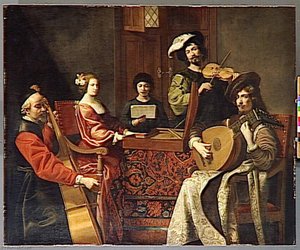
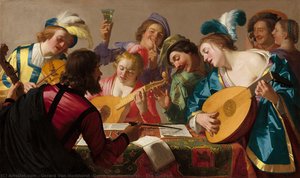
Artist Biography
Robert Le Vrac de Tournières: A Life in Transition
Early Life and Education
Robert Le Vrac de Tournières was born in Caen, France, in 1667. His artistic journey began with studies under Lucas Delahaye, a respected painter of the time. He further honed his skills under the tutelage of Bon Boullogne and Rigaud, both prominent figures in French painting, setting the stage for a successful career.
Artistic Development and Style
Tournières’ artistic style reflects a fascinating transitional period within French art. He skillfully blended elements of Dutch intimacy – particularly evident in his genre scenes – with the emerging lightness and elegance that would come to define the Rococo style. His palette was noted for its delicate coloring, and he demonstrated a keen talent for capturing both pose and drapery. While not considered among the most powerful painters of his era, critics acknowledged his careful technique and refined execution.
Academic Recognition and Major Works
Tournières achieved significant recognition during his lifetime, being received into the Académie royale de peinture twice. The first acceptance in 1702 was based on his portraiture skills, specifically portraits of fellow artists Pierre Mosnier and Michel Corneille. His second reception in 1716, as a history painter, came with his work Invention of Drawing (1716), depicting a romantic scene illuminated by candlelight. Although many of his large-scale paintings have been lost to time, numerous smaller works survive, showcasing his mastery of detail and character portrayal.
Influences and Artistic Preoccupations
Tournières was deeply influenced by Dutch masters such as Godfried Schalken and Gerard Dou, dedicating considerable study to their techniques. This influence is visible in his attention to light, shadow, and the intimate portrayal of everyday life. He also drew inspiration from his teachers, incorporating elements of their styles into his own unique approach.
Later Life and Legacy
In 1737, Tournières was promoted to professeur auxiliaire, further solidifying his position within the artistic community. He continued to exhibit successfully at the Salon of 1742. However, he returned to Caen in 1749 and ceased painting. His father, an engraver, had familial connections through marriage to François Lemoyne. Despite fading from active practice, Tournières left behind a considerable body of portraits that remain highly regarded and are found in notable collections today.
Historical Significance
Robert Le Vrac de Tournières occupies an important place as a transitional figure in French art. He embodies the shift from the more formal Baroque style towards the lighter, more decorative Rococo aesthetic. His ability to synthesize Dutch realism with emerging French sensibilities makes his work particularly valuable for understanding the evolution of 18th-century painting.
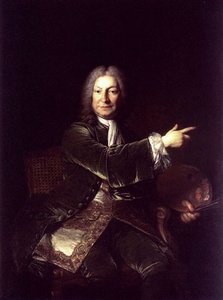
robert le vrac de tournières
1667 - 1752 , France
Quick Facts
- Birth Date: 1667
- Birth Place: Caen, France
- Death Date: 1752
- Influenced By:
- Lucas Delahaye
- Bon Boullogne
- Rigaud
- Godfried Schalken
- Gerard Dou
- Movement: Rococo, French Regency
- Name: Robert Le Vrac de Tournières
- Nationality: French
- Notable Works:
- Invention of Drawing (1716)
- Count Ferdinand Adolf von Plettenberg and his Family

