 Preview
 Send
Send Share
Share
 Details

 Download
 Similars
 X-Ray
X-Ray Diaporama
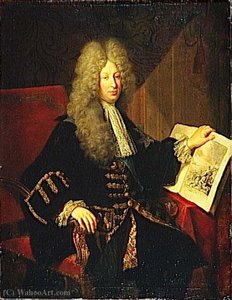
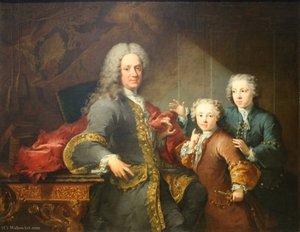
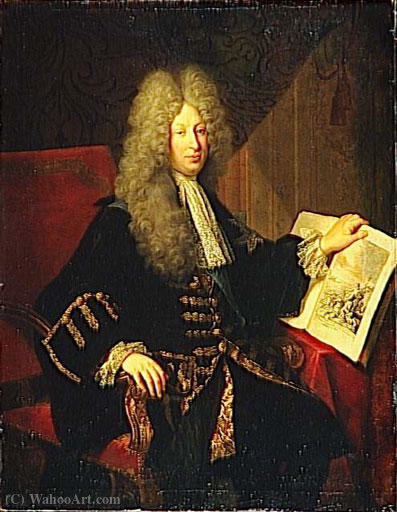
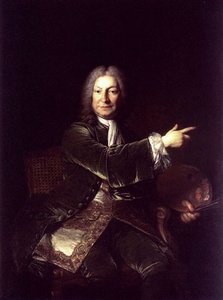
Jerome Phélypeaux, Count de Pontchartrain, Minister of Marine of Louis XIV
 Read More
Giclée / Art Print
Museum-quality giclée or canvas print with fast production and flexible finish options. ( Buy Hand Made Painting Buy Image)




































Pick from our preset sizes that match the artwork's original proportions.

You may enter your own dimensions to fit a specific frame or space. If your selected size does not match the original image's proportions, we will either crop the artwork or extend the image with a mirrored or solid-fill edge. A digital mockup will be sent for your approval before production begins.
Please note that the on-screen preview does not reflect the actual cropping or extension. Only the mockup will accurately show the final composition.
While custom sizes are available, we recommend selecting a dimension from the predefined list to preserve the original proportions.
Worldwide Delivery () in 2 weeks instead of standard 4/5 weeks. (23 August)

Free Worldwide Express Shipping

High-Quality Linen Canvas

Full Shipping Insurance

Customs Tax Refund Guarantee

True Color Matching Guarantee

60-Day Return Policy (Defects Only)

100% Money-Back Guarantee

Bulk Discount Offer
 Glass option is only available in size under 110 CM

Jerome Phélypeaux, Count de Pontchartrain, Minister of Marine of Louis XIV
Giclée / Art Print
Reproduction Size
-


Total Price
$ 63
Related Artworks








Artist Biography
Robert Le Vrac de Tournières: A Life in Transition
Early Life and Education
Robert Le Vrac de Tournières was born in Caen, France, in 1667. His artistic journey began with studies under Lucas Delahaye, a respected painter of the time. He further honed his skills under the tutelage of Bon Boullogne and Rigaud, both prominent figures in French painting, setting the stage for a successful career.
Artistic Development and Style
Tournières’ artistic style reflects a fascinating transitional period within French art. He skillfully blended elements of Dutch intimacy – particularly evident in his genre scenes – with the emerging lightness and elegance that would come to define the Rococo style. His palette was noted for its delicate coloring, and he demonstrated a keen talent for capturing both pose and drapery. While not considered among the most powerful painters of his era, critics acknowledged his careful technique and refined execution.
Academic Recognition and Major Works
Tournières achieved significant recognition during his lifetime, being received into the Académie royale de peinture twice. The first acceptance in 1702 was based on his portraiture skills, specifically portraits of fellow artists Pierre Mosnier and Michel Corneille. His second reception in 1716, as a history painter, came with his work Invention of Drawing (1716), depicting a romantic scene illuminated by candlelight. Although many of his large-scale paintings have been lost to time, numerous smaller works survive, showcasing his mastery of detail and character portrayal.
Influences and Artistic Preoccupations
Tournières was deeply influenced by Dutch masters such as Godfried Schalken and Gerard Dou, dedicating considerable study to their techniques. This influence is visible in his attention to light, shadow, and the intimate portrayal of everyday life. He also drew inspiration from his teachers, incorporating elements of their styles into his own unique approach.
Later Life and Legacy
In 1737, Tournières was promoted to professeur auxiliaire, further solidifying his position within the artistic community. He continued to exhibit successfully at the Salon of 1742. However, he returned to Caen in 1749 and ceased painting. His father, an engraver, had familial connections through marriage to François Lemoyne. Despite fading from active practice, Tournières left behind a considerable body of portraits that remain highly regarded and are found in notable collections today.
Historical Significance
Robert Le Vrac de Tournières occupies an important place as a transitional figure in French art. He embodies the shift from the more formal Baroque style towards the lighter, more decorative Rococo aesthetic. His ability to synthesize Dutch realism with emerging French sensibilities makes his work particularly valuable for understanding the evolution of 18th-century painting.
robert le vrac de tournières
1667 - 1752 , France
Quick Facts
- Birth Date: 1667
- Birth Place: Caen, France
- Death Date: 1752
- Influenced By:
- Lucas Delahaye
- Bon Boullogne
- Rigaud
- Godfried Schalken
- Gerard Dou
- Movement: Rococo, French Regency
- Name: Robert Le Vrac de Tournières
- Nationality: French
- Notable Works:
- Invention of Drawing (1716)
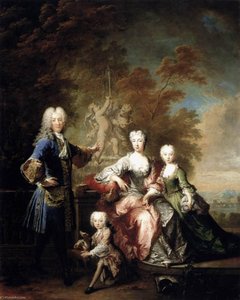
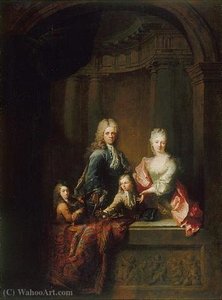
- Count Ferdinand Adolf von Plettenberg and his Family