 Preview
 Send
Send Share
Share
 Details

 Download
 Similars
 X-Ray
X-Ray Diaporama
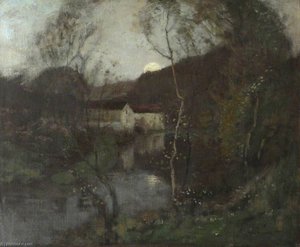
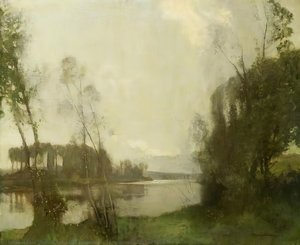
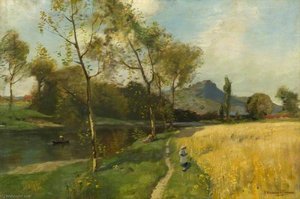
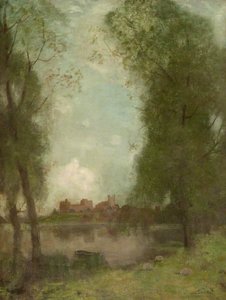
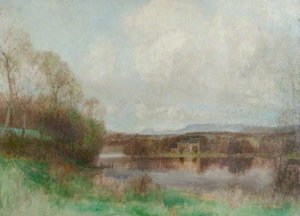
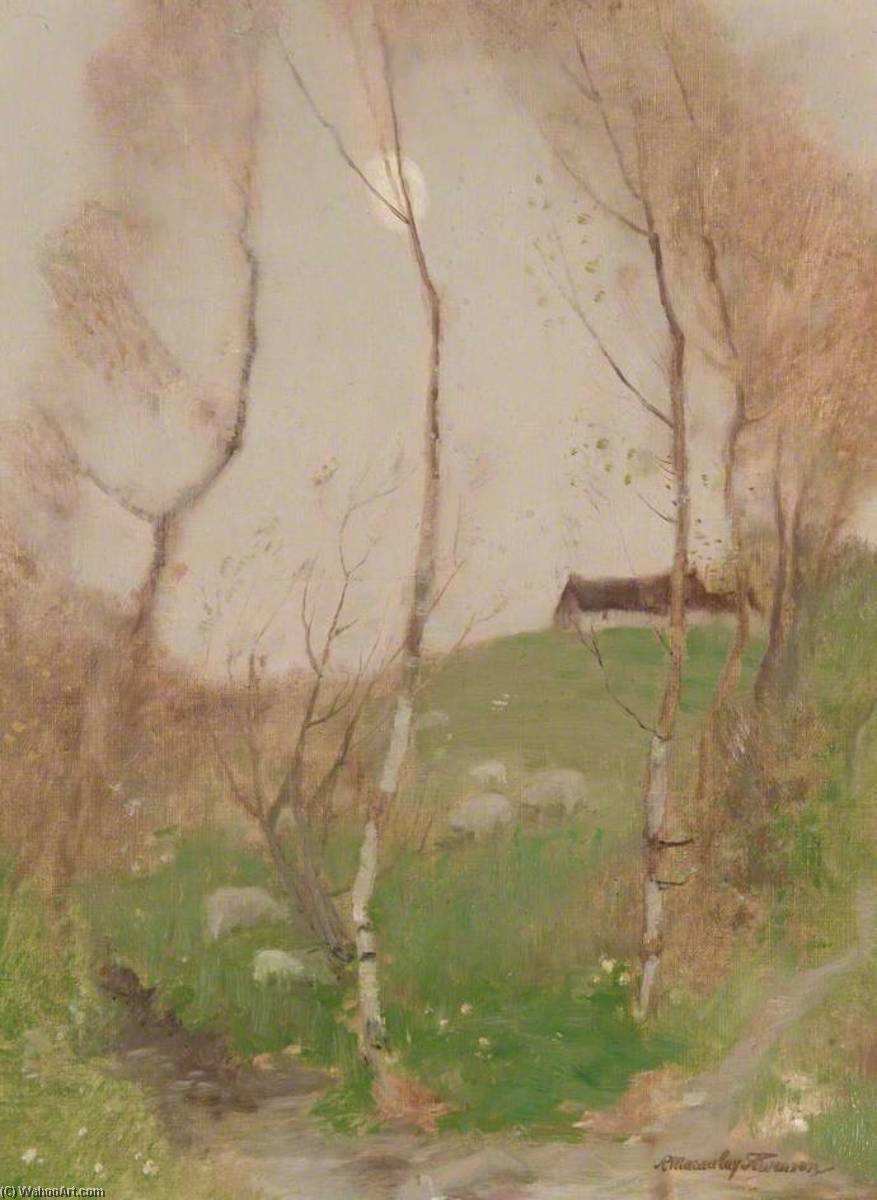
Near Bardowie A Scottish Pastoral
 55.0 x 45.0 cm
 Read More
Hand Made Oil Reproduction
Hand-painted oil on canvas in your size and frame, made to order by our artists. ( Buy Print Buy Image)




































Pick from our preset sizes that match the artwork's original proportions.

You may enter your own dimensions to fit a specific frame or space. If your selected size does not match the original image's proportions, we will either crop the artwork or extend the painting with additional hand-painted elements. A digital mockup will be sent for your approval before production begins.
Please note that the on-screen preview does not reflect the actual cropping or extension. Only the mockup will accurately show the final composition.
While custom sizes are available, we recommend selecting a dimension from the predefined list to preserve the original proportions.
After order, ArtsDot.com team will email client for instructions and provide a mockup preview
Worldwide Delivery () in 3/4 weeks instead of standard 5 weeks. (24 August). No compromise on quality.

Free Worldwide Express Shipping

High-Quality Linen Canvas

Full Shipping Insurance

Customs Tax Refund Guarantee

True Color Matching Guarantee

60-Day Return Policy (Defects Only)

100% Money-Back Guarantee

Bulk Discount Offer
 Glass option is only available in size under 110 CM

Near Bardowie A Scottish Pastoral
Reproduction Medium
Reproduction Size
-


Total Price
$ 263
Related Artworks









Artist Biography
The Atmospheric Legacy of Robert Macaulay Stevenson
Born in the vibrant industrial heart of Glasgow in 1854, Robert Macaulay Stevenson emerged as a vital voice within the prestigious Glasgow Boys collective. His life was one of profound intellectual and artistic depth, shaped by a family lineage that balanced engineering precision with civic leadership. While his brother, Sir Daniel Macaulay Stevenson, climbed the heights of political influence as Lord Provost of Glasgow, Robert sought a different kind of immortality through the canvas. Though he initially pursued the structured world of engineering, the call of the aesthetic proved irresistible, leading him to the Glasgow School of Design. It was here that his true vocation took root, as he began to move away from mere topographical recording toward a more soulful, impressionistic interpretation of the natural world.
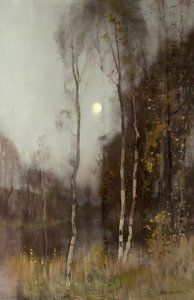
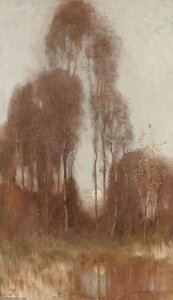
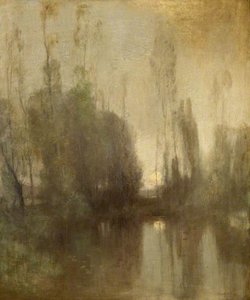
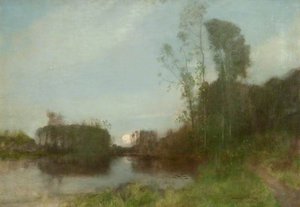
The essence of Stevenson’s work lies in its quiet, evocative power, heavily indebted to the Barbizon school and the masterful touch of Jean-Baptiste-Camille Corot. He did not merely paint landscapes; he captured the very breath of the Scottish countryside. His technique was characterized by a delicate handling of light and a preference for muted, harmonious palettes that could convey the shifting moods of a misty morning or the soft glow of twilight. Through his eyes, the rugged Highlands and serene lochs were transformed into realms of contemplation. Whether working from his studios in Glasgow, the coastal charm of Montreuil-sur-Mer in France, or the tranquil reaches of Bardowie Loch, Stevenson possessed a rare ability to imbue his scenes with an atmospheric weight that felt both timeless and deeply personal.
Artistic Mastery and International Recognition
Stevenson’s career was marked by significant milestones that placed him on the broader European stage. His ability to blend Scottish subject matter with French stylistic sensibilities earned him prestigious accolades throughout the late nineteenth century, proving that his vision resonated far beyond the borders of Scotland. His achievements include:
- Gold Medal at the first Munich Secession exhibition in 1893, marking his arrival as a significant figure in international modernism.
- Diploma of Honour at the second General Exposition of Fine Arts in Barcelona in 1894.
- Silver Medal at the Brussels International Exposition in 1897, further cementing his reputation for technical excellence and emotive depth.
Beyond the accolades, Stevenson’s personal life provided a backdrop of both tragedy and artistic companionship. His first marriage to Jean Shields ended in profound sorrow with her death during childbirth, yet his subsequent union with the Scottish artist Stansmore Dean in 1902 created a partnership of shared creative purpose. This period of his life saw him continuing to refine his craft, blending his skills as an accomplished writer and collaborator with his visual artistry. As he moved through the decades, his work remained a testament to the enduring beauty of the landscape, leaving behind a body of work that serves as a bridge between the traditionalism of the past and the burgeoning Impressionist movements of his era.
robert macaulay stevenson
1854 - 1952
Quick Facts
- Artistic Movement Or Style: Glasgow Boys; Corot Inspired Painting
- Artists Or Movements Influenced By This Artist: ['Impressionism']
- Artists Who Influenced This Artist: ['Jean Baptiste Camille Corot']
- Date Of Birth: 1854
- Date Of Death: 1952
- Full Name: Robert Macaulay Stevenson
- Nationality: Scottish
- Notable Artworks:
- Autumn Moonlight
- In the Gloaming
- Place Of Birth: Glasgow, Scotland