

 Preview
 Send
Send Share
Share
 Details

 Download
 Similars
 X-Ray
X-Ray Diaporama
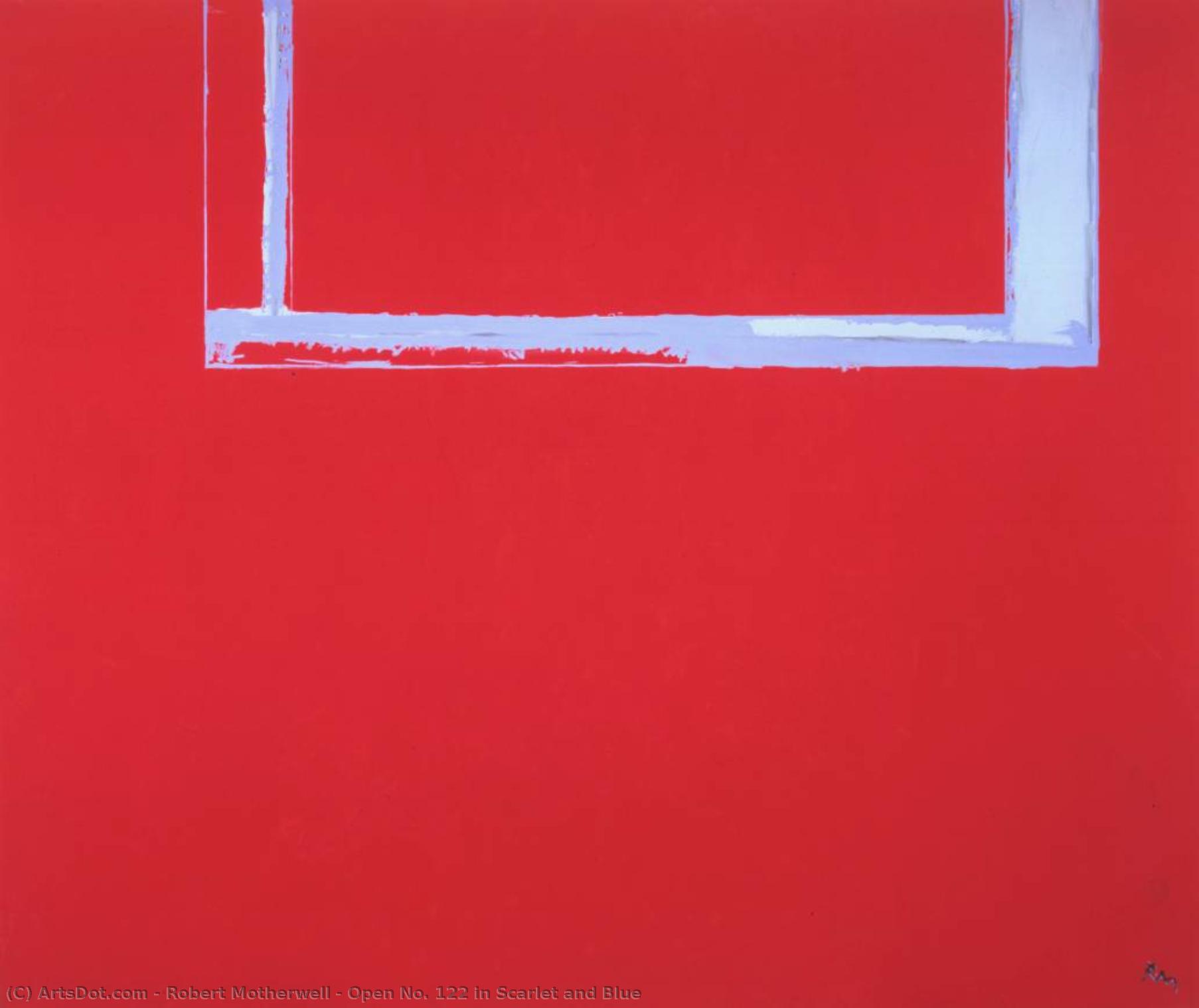
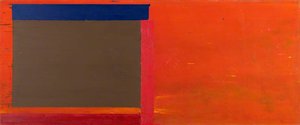
Open No. 122 in Scarlet and Blue


 Read More
Purchase a high-resolution, enhanced digital image, far superior to the online preview.
Each file is meticulously prepared by our in-house specialists using advanced tools and expert manual retouching. We ensure every image has exceptional clarity, precise color accuracy, and fine detail.
The final file is delivered via email within 72 hours, optimized for immediate use in professional, editorial, and print environments. This is the same quality trusted by top-tier design studios, publishers, and galleries.
Digital Image
Download a high-resolution file for personal display, printing, and creative projects. ( Buy Print Buy Hand Made Painting)
Included in Every Digital Image Order
Expert Digital Delivery, Guaranteed
When you choose ArtsDot.com, you're not just getting an image - you're receiving a professionally enhanced digital artwork, crafted with precision and backed by a satisfaction guarantee. Here's everything that comes with your order, automatically:

Fast Email Delivery
Your high-resolution digital image file will be emailed to you within 72 hours of ordering - ready for immediate use.

AI-Enhanced Digital File
Your artwork is professionally optimized using advanced AI tools and manual editing, ensuring maximum detail, clarity, and color accuracy.

Free Lifetime Re-Delivery
Accidentally deleted or lost your file? No worries - we'll resend it to you anytime, free of charge.

No Import Fees - Ever
Enjoy your artwork instantly with zero customs, duties, or delivery fees - digital downloads are always tax-free.

Color Accuracy Guarantee
We ensure your digital image reflects the original colors as closely as possible using professional tools and color management.

60-Day Satisfaction Guarantee
If you're not satisfied with your digital image, we'll revise it or refund 100% within 60 days - no questions asked.

100% Money-Back Guarantee
Not satisfied? Get a full refund within 60 days of receiving your digital file - no questions asked.

Bulk Order Discounts
Buy 3 images, save 10% - Buy 5, save 15% - Buy 10+, save 20%. Great for creative projects, galleries, and agencies.
Collectible Description
The Weight of Absence: Robert Motherwell’s ‘Open No. 122 in Scarlet and Blue’
Robert Motherwell's “Open No. 122 in Scarlet and Blue,” painted in 1969, isn’t merely a visual composition; it’s an intensely felt expression of loss and remembrance. Created during a period of profound personal grief following the deaths of close friends and family members, this work embodies Motherwell's signature approach to Abstract Expressionism – a deliberate rejection of representational imagery in favor of conveying raw emotion through color, texture, and gestural mark-making. The painting immediately commands attention with its stark contrast: a deep, almost bruised red field punctuated by irregular, intensely blue squares. This isn’t a celebratory explosion of color; rather, it feels like the residue of something shattered – a visual echo of trauma and mourning.
- Color as Emotion: The scarlet represents not just blood or fire, but also the intensity of grief, the burning ache of absence. It’s a visceral hue, demanding immediate attention and evoking a sense of urgency.
- The Blue Squares: These aren't simply decorative elements; they are fragments, shards of memory – attempts to capture fleeting glimpses of what was lost. Their unevenness and varying sizes suggest the fragmented nature of recollection, the difficulty in holding onto details when confronted with overwhelming sorrow.
A Legacy Forged in Loss: Motherwell’s Personal Context
Understanding “Open No. 122 in Scarlet and Blue” requires acknowledging Robert Motherwell's deeply personal history. Born in Aberdeen, Washington, in 1915, he experienced a childhood marked by illness and the early deaths of loved ones – his mother when he was just ten years old, followed later by his brother and sister. These experiences profoundly shaped his artistic sensibility, leading him to explore themes of mortality, memory, and the human condition with unflinching honesty. His work became increasingly introspective in the latter half of his career, moving away from earlier explorations of Surrealism and embracing a more direct and emotionally charged style.
The painting’s creation coincided with a period of intense personal loss for Motherwell, including the deaths of close friends and family. It's widely believed that this work was created as a response to these tragedies, serving as both a means of processing grief and a testament to the enduring power of memory. The title itself – “Open No. 122” – suggests an ongoing process of exploration and reflection, hinting at the never-ending nature of mourning.
Technique and Process: Embracing Gesture and Texture
Motherwell’s technique in "Open No. 122 in Scarlet and Blue" is characterized by a deliberate lack of control and a focus on spontaneous gesture. He employed acrylic paint and charcoal directly onto the canvas, layering colors with broad brushstrokes and allowing them to bleed into one another. The surface of the painting is uneven and textured – not smooth or polished, but rather imbued with a sense of movement and energy. This tactile quality invites viewers to engage physically with the work, mirroring the intensity of emotional experience.
Key Techniques:- Layered Application: Multiple layers of paint create depth and complexity, suggesting the accumulation of memories and emotions over time.
- Gestural Mark-Making: Loose, expressive brushstrokes convey a sense of urgency and vulnerability.
- Color Blending: The blending of scarlet and blue creates a dynamic interplay of hues that reflects the complexities of grief – both pain and beauty.
Symbolism and Resonance: A Meditation on Remembrance
Beyond its immediate emotional impact, “Open No. 122 in Scarlet and Blue” is rich with symbolic meaning. The fragmented blue squares can be interpreted as representations of shattered memories – pieces of the past that refuse to coalesce into a coherent whole. The vast expanse of scarlet suggests the overwhelming nature of grief, while the act of ‘opening’—the title itself—represents an invitation to confront these difficult emotions and engage in the process of remembrance. The painting ultimately serves as a poignant meditation on loss, resilience, and the enduring power of human connection.
Related Artworks

Artist Biography
Robert Motherwell: A Legacy of Grief and Bold Vision
Robert Motherwell (January 24, 1915 – July 16, 1991) stands as one of the most influential figures in American Abstract Expressionism, a movement that irrevocably altered the course of twentieth-century art. Born in Aberdeen, Washington—a town steeped in Scottish heritage—Motherwell’s early life was marked by asthma and a profound connection to the Pacific Northwest landscape, shaping his artistic sensibility from its inception. His father, Robert Burns Motherwell II, a banker with aspirations for California, instilled in him a determination that would propel him through academic pursuits and ultimately define his creative trajectory.- Early Education & Influences: Motherwell’s formative years were spent at Stanford University where he immersed himself in philosophy alongside fellow modernist Arthur Oncken Lovejoy and David Wite Prall. This intellectual grounding profoundly impacted his artistic vision, fostering a fascination with literature—particularly Mallarmé, Joyce, Poe, and Paz—that would permeate his oeuvre.
- The Surrealist Encounter: A pivotal moment arrived in 1940 when Motherwell relocated to New York City and enrolled at Columbia University under Meyer Shapiro’s guidance. Shapiro introduced him to the vibrant world of Parisian Surrealists – Max Ernst, André Breton, Wolfgang Paalen—and crucially, encouraged him to embrace “automatic” drawing as a method for accessing the subconscious.
The Elegies Series and Formal Innovation
Motherwell’s artistic breakthrough came in 1949 with the commencement of his iconic *Elegies to the Spanish Republic* series—a monumental undertaking comprising over one hundred oil paintings and numerous sketches. This series, born from a deep engagement with the political turmoil surrounding Francoist Spain, represents Motherwell's most enduring contribution to art history. The Elegies are characterized by their stark simplicity: densely packed black ink blots on white paper, meticulously crafted to convey profound emotional resonance. These canvases embody his mastery of formal innovation—a deliberate rejection of traditional perspective and a commitment to exploring the expressive potential of gesture and texture.- Technique & Composition: Motherwell’s technique involved layering ink blots onto paper, creating textured surfaces that seemed to pulsate with latent energy. The resulting compositions are deliberately ambiguous, inviting viewers to contemplate themes of loss, grief, and existential contemplation.
- Influence on Contemporaries: His work exerted considerable influence on fellow Abstract Expressionists like Helen Frankenthaler and Jackson Pollock, fostering a dialogue about the role of emotion in artistic expression.
Beyond Elegies: Exploring Landscape and Collage
While the Elegies series cemented Motherwell’s reputation as a master of emotive abstraction, his artistic exploration extended beyond this singular project. He consistently revisited themes of landscape—particularly the Californian hills—drawing inspiration from the expansive vistas that nurtured his childhood imagination. Furthermore, he experimented with collage techniques, incorporating found materials into his canvases to create layered textures and visual narratives. His sketchbook from Mexico—a collaborative effort with Roberto Matta—demonstrates a shift toward more spontaneous graphic cadences, reflecting Paalen’s influence on his artistic process.- Mexican Sketchbook: The sketchbook captures the essence of Paalen's studio environment and reflects Motherwell's evolving approach to drawing, moving away from analytical observation towards intuitive gesture.
- Collaborations & Artistic Dialogue: His collaborations with artists like Matta and Paalen fostered a dynamic artistic dialogue that enriched his oeuvre and broadened the scope of Abstract Expressionism.
Legacy and Historical Significance
Robert Motherwell’s legacy transcends mere stylistic innovation; he articulated a profound philosophical stance on art's capacity to confront mortality and grapple with complex emotional realities. His unwavering dedication to exploring these themes—coupled with his masterful command of formal language—established him as one of the foremost voices of his generation, securing his place among the titans of twentieth-century art. He died in Provincetown, Massachusetts in 1991, leaving behind a body of work that continues to inspire artists and scholars alike, ensuring his enduring influence on the history of modern art.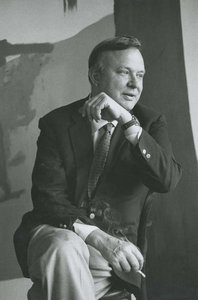
Robert Motherwell
1974 - 1991 , United States of America
Quick Facts
- Artistic Movement Or Style: Abstract Expressionism
- Artists Or Movements Influenced By This Artist:
- Jackson Pollock
- Helen Frankenthaler
- Artists Who Influenced This Artist:
- Mallarmé
- James Joyce
- Edgar Allan Poe
- Octavio Paz
- Date Of Birth: January 24, 1915
- Date Of Death: July 16, 1991
- Full Name: Robert Burns Motherwell
- Nationality: American
- Notable Artworks: ['Elegies to the Spanish Republic']
- Place Of Birth: Aberdeen, Washington

