 Preview
 Send
Send Share
Share
 Details

 Download
 Similars
 X-Ray
X-Ray Diaporama
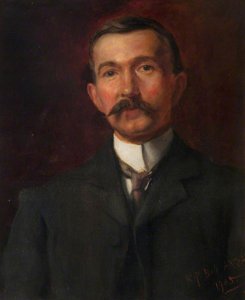
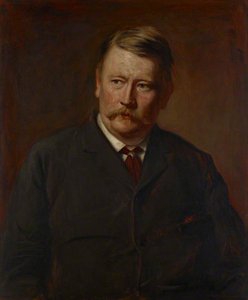
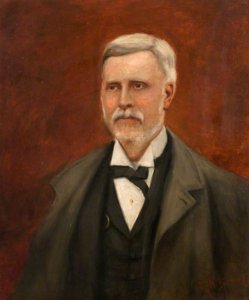
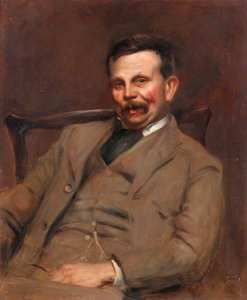
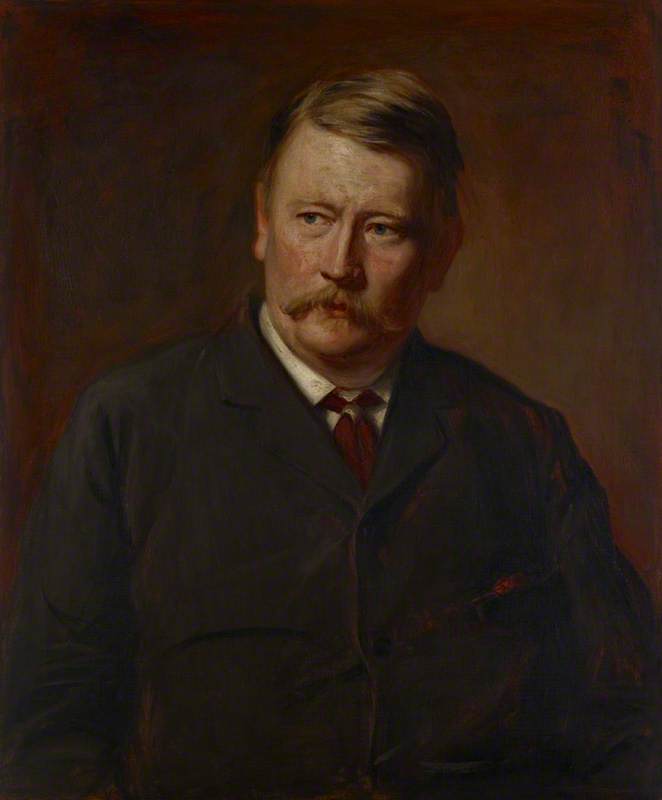
Andrew Betts Brown (1839–1906), Engineer and Inventor
 1888
1888 76.0 x 64.0 cm
 Read More
Hand Made Oil Reproduction
Hand-painted oil on canvas in your size and frame, made to order by our artists. ( Buy Print Buy Image)




































Pick from our preset sizes that match the artwork's original proportions.

You may enter your own dimensions to fit a specific frame or space. If your selected size does not match the original image's proportions, we will either crop the artwork or extend the painting with additional hand-painted elements. A digital mockup will be sent for your approval before production begins.
Please note that the on-screen preview does not reflect the actual cropping or extension. Only the mockup will accurately show the final composition.
While custom sizes are available, we recommend selecting a dimension from the predefined list to preserve the original proportions.
After order, ArtsDot.com team will email client for instructions and provide a mockup preview
Worldwide Delivery () in 3/4 weeks instead of standard 5 weeks. (16 August). No compromise on quality.

Free Worldwide Express Shipping

High-Quality Linen Canvas

Full Shipping Insurance

Customs Tax Refund Guarantee

True Color Matching Guarantee

60-Day Return Policy (Defects Only)

100% Money-Back Guarantee

Bulk Discount Offer
 Glass option is only available in size under 110 CM

Andrew Betts Brown (1839–1906), Engineer and Inventor
Reproduction Medium
Reproduction Size
-


Total Price
$ 263
Related Artworks
Artist Biography
Robert Purves Bell (1841 – 1931): A Visionary of Ayrshire Landscapes
Robert Purves Bell was a Scottish painter who achieved considerable acclaim for his evocative depictions of the Ayrshire countryside, particularly around Calderwood Castle. Born in Edinburgh in 1841, he possessed an innate talent for capturing the beauty and drama of the Scottish Highlands and Lowlands, establishing himself as one of the foremost landscape artists of his era. His artistic journey was marked by meticulous observation, masterful technique, and a profound connection to the natural world—influences that shaped his distinctive style and cemented his legacy as a champion of Victorian plein air painting.Early Life & Artistic Training
Bell’s formative years were spent in Edinburgh, where he received a comprehensive education encompassing classical studies alongside artistic pursuits. He enrolled at the Royal Scottish Academy in 1863, immersing himself in the prevailing artistic trends of the time—primarily Impressionism and Academic realism—and honing his skills under influential instructors. This rigorous training instilled in him a disciplined approach to painting and fostered an appreciation for both scientific accuracy and expressive artistry. Notably, Bell’s father was a solicitor, providing him with financial stability that allowed him to dedicate himself fully to his artistic ambitions.Ayrshire Landscapes: Calderwood Castle & Beyond
Bell's reputation soared after he began documenting the Ayrshire region with breathtaking detail. He became particularly captivated by Calderwood Castle, perched dramatically atop a craggy hill overlooking Loch Greggory. His canvases capture not merely the physical appearance of the castle but also its atmosphere—the shifting light, the turbulent winds, and the palpable sense of history. Bell’s technique involved layering thin glazes of oil paint to achieve luminous effects and conveying textures with remarkable precision. He meticulously studied geological formations and plant life, incorporating scientific observations into his artistic process – a testament to the intellectual curiosity characteristic of Victorian artists. Beyond Calderwood Castle, Bell explored numerous other Ayrshire sites, portraying rolling hills, serene lochs, and picturesque villages with equal sensitivity.Influences & Artistic Style
Bell’s artistic sensibilities were profoundly shaped by luminaries such as Frederic Church and Jules Bastien-Lepage—artists who championed the Impressionist movement's emphasis on capturing fleeting moments of light and color. Like these contemporaries, Bell embraced plein air painting—working outdoors directly from nature—a practice that allowed him to observe firsthand the subtleties of atmospheric conditions and translate them onto canvas. His style is characterized by a harmonious blend of realism and Impressionistic brushwork, resulting in paintings that are both meticulously rendered and imbued with emotional resonance. He skillfully employed tonal harmonies and subtle color gradations to create landscapes that convey not only visual beauty but also psychological depth.Major Achievements & Legacy
Bell’s prolific output yielded over 300 paintings—a remarkable accomplishment for his time—many of which are housed in prominent museums across Scotland and the United States. His works were exhibited extensively throughout Europe, garnering critical acclaim and establishing him as a leading figure in Victorian landscape painting. Furthermore, Bell's dedication to preserving Ayrshire’s heritage extended beyond his artistic endeavors; he served as President of the Ayrshire Antiquarian Society for many years, advocating for the protection of historic sites and fostering appreciation for Scotland’s cultural heritage. Robert Purves Bell remains remembered as an artist who epitomized Victorian idealism—a visionary whose canvases continue to inspire admiration for their beauty and accuracy.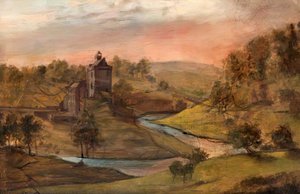
robert purves bell
1841 - 1931
Quick Facts
- Artistic Movement Or Style: Victorian Portraiture
- Artists Who Influenced This Artist:
- William Holman Hunt
- John Ruskin
- Date Of Birth: 1841
- Date Of Death: 1931
- Full Name: Robert Purves Bell
- Nationality: Scottish
- Notable Artworks:
- Portrait of a Gentleman
- Broken Cross, Hamilton
- Roman Bridge
- Place Of Birth: Glasgow, Scotland