 Preview
 Send
Send Share
Share
 Details

 Download
 Similars
 X-Ray
X-Ray Diaporama
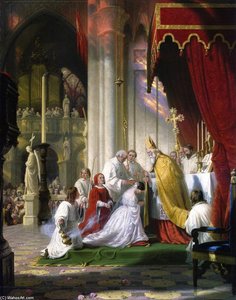
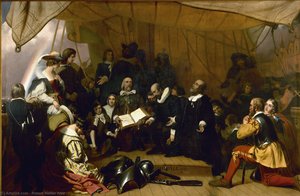
Embarkation of the Pilgrims

 Read More
Giclée / Art Print
Museum-quality giclée or canvas print with fast production and flexible finish options. ( Buy Hand Made Painting Buy Image)




































Pick from our preset sizes that match the artwork's original proportions.

You may enter your own dimensions to fit a specific frame or space. If your selected size does not match the original image's proportions, we will either crop the artwork or extend the image with a mirrored or solid-fill edge. A digital mockup will be sent for your approval before production begins.
Please note that the on-screen preview does not reflect the actual cropping or extension. Only the mockup will accurately show the final composition.
While custom sizes are available, we recommend selecting a dimension from the predefined list to preserve the original proportions.
Worldwide Delivery () in 2 weeks instead of standard 4/5 weeks. (21 August)

Free Worldwide Express Shipping

High-Quality Linen Canvas

Full Shipping Insurance

Customs Tax Refund Guarantee

True Color Matching Guarantee

60-Day Return Policy (Defects Only)

100% Money-Back Guarantee

Bulk Discount Offer
 Glass option is only available in size under 110 CM

Embarkation of the Pilgrims
Giclée / Art Print
Reproduction Size
-


Total Price
$ 63
Collectible Description
The Historical Context
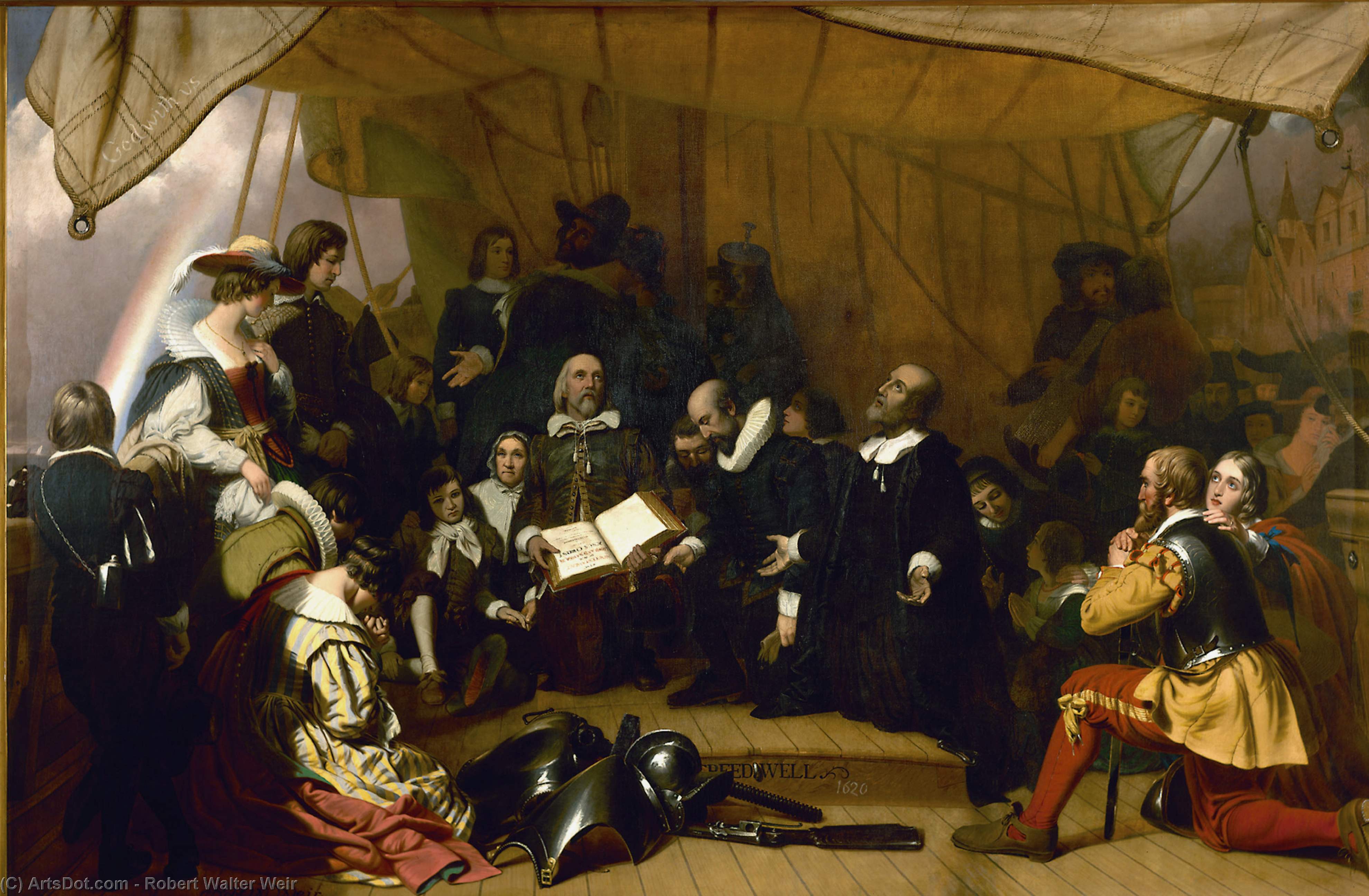
The painting depicts the scene of the Pilgrims preparing to board their ship, the Mayflower, in 1620. This event marked the beginning of a journey that would lead to the establishment of the Plymouth Colony, one of the earliest successful English settlements in what is now the United States. The Pilgrims, led by John Robinson, were driven by their desire for religious freedom and a better life.Artistic Significance
Robert Walter Weir's work is notable for its detailed representation of the period. The painting showcases the clothing, architecture, and overall atmosphere of the 17th century. The inclusion of a book in the scene highlights the importance of knowledge and faith during this time. The composition effectively conveys the sense of anticipation and determination among the Pilgrims as they embark on their perilous journey.Location and Preservation
The United States Capitol Building, where the painting is located, is a significant historical landmark in Washington D.C. It serves not only as the seat of the U.S. Congress but also as a museum featuring important artworks that reflect American history and culture. The building's rotunda, with its impressive dome, houses numerous paintings and sculptures, including 'Embarkation of the Pilgrims'.Relevance in Modern Times
The themes of courage, resilience, and the pursuit of a better life, as depicted in Weir's painting, remain relevant today. The artwork continues to inspire and educate visitors about the foundational principles of American society.Conclusion
'CITE>'Embarkation of the Pilgrims' by Robert Walter Weir is a powerful historical painting that encapsulates the spirit of exploration and determination. Its presence in the United States Capitol Building underscores its importance as a piece of American cultural heritage. For those interested in exploring more artworks, visit https://ArtsDot.com to discover hand-made oil painting reproductions of famous pieces like Robert Walter Weir: Embarkation of the Pilgrims and learn about other artists such as Elias V. Coe.To delve deeper into the history of the United States Capitol Building, refer to https://en.wikipedia.org/wiki/United_States_Capitol_rotunda and for a comprehensive list of artworks within the complex, visit https://en.wikipedia.org/wiki/List_of_artwork_at_the_United_States_Capitol_complex.
Related Artworks









Artist Biography
A Life Etched in History: The World of Robert Walter Weir
Robert Walter Weir, born in New York City on June 18, 1803, was a figure deeply interwoven with the artistic and educational fabric of 19th-century America. His life story is one of self-driven dedication, a thirst for classical knowledge, and an enduring commitment to fostering creativity in others. The early years saw the Weir family move between New York City and New Rochelle before settling back in the city by 1817. Though initially engaged in mercantile work, young Robert felt the pull of artistic expression, abandoning commerce at eighteen in 1821 to wholeheartedly pursue painting. This decision marked the beginning of a journey that would see him become not only a respected artist but also a pivotal educator who shaped the minds of future leaders. Weir’s initial training was largely self-directed, honed through diligent study within New York City from 1822 to 1824. However, it was his subsequent sojourn to Italy – Florence (1824-1825) and Rome (1825-1827) – that truly ignited his artistic sensibilities. Immersed in the masterpieces of Michelangelo and Raphael, he absorbed the principles of Renaissance composition and detail, influences that would resonate throughout his career.From Canvas to Classroom: A Dual Legacy
Upon returning to New York in 1827, Weir quickly integrated into the burgeoning artistic community. He exhibited regularly at the National Academy of Design, achieving associate membership in 1829 and full academician status by 1831 – testaments to his growing skill and recognition. However, it was a different path that would define much of his life’s work: education. In 1834, he accepted the position of Teacher of Drawing at the United States Military Academy at West Point, New York. This appointment wasn't merely a job; it was a calling. He rose to become Professor of Drawing in 1846 and remained dedicated to this role for an extraordinary forty-two years, until 1876. The impact of his tenure is almost immeasurable. Weir didn’t just teach drawing; he instilled an appreciation for art, observation, and visual thinking within a generation of future military officers. Among his students were names that would become synonymous with the Civil War: Ulysses S. Grant, Robert E. Lee, Jefferson Davis, and James Abbott McNeill Whistler – a remarkable roster demonstrating the breadth of his influence. He also mentored Seth Eastman, another notable artist who documented Native American life. His pedagogical approach wasn’t simply about technical skill; it was about cultivating a discerning eye and fostering creative problem-solving abilities that would serve these men well in their future endeavors.The Hudson River School & Historical Narratives
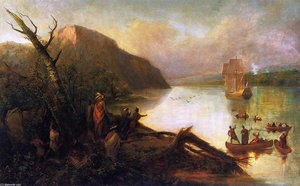
Weir is rightfully considered a member of the Hudson River School, an American art movement celebrated for its romantic depictions of the nation’s landscapes. While his canvases often featured historical subjects, they were imbued with the same sense of grandeur and reverence for nature characteristic of the school. His artistic style was deeply rooted in classical principles gleaned from his Italian studies – a meticulous attention to detail, balanced compositions, and a dramatic use of light and shadow. However, he wasn’t merely replicating Renaissance techniques; he adapted them to American themes and narratives. Perhaps his most iconic work is The Embarkation of the Pilgrims, commissioned by the United States Congress in 1837 and installed within the rotunda of the U.S. Capitol in 1843. This monumental painting isn’t just a historical depiction; it's a powerful allegory of courage, faith, and the founding principles of America. Other significant works include *Bourbons Last March*, *Landing of Hendrik Hudson*, *Our Lord on the Mount of Olives* and *Columbus before the Council of Salamanca*. These paintings demonstrate his versatility and commitment to capturing pivotal moments in history with both accuracy and emotional resonance.Family, Influence & Enduring Recognition
Robert Walter Weir’s legacy extends far beyond his own artistic achievements. He established a family tradition of artistic excellence; two of his sons followed in his footsteps. John Ferguson Weir became a respected painter and sculptor, while Julian Alden Weir distinguished himself as a prominent portrait, figure, and landscape artist – further solidifying the Weir name within American art history. Robert Walter Weir married twice and fathered sixteen children, creating a vibrant family life alongside his professional pursuits. He passed away in 1889, leaving behind a rich artistic heritage and an enduring impact on American education. Today, his works continue to be displayed in prominent museums and collections, ensuring that his contributions remain visible and appreciated by generations to come. His influence can still be felt through the countless artists he inspired, both directly as students and indirectly through his dedication to fostering creativity and critical thinking.A Lasting Impression
- Hudson River School Connection: Weir’s membership in this influential movement cemented his place within the canon of American landscape painting.
- West Point Legacy: His four decades at West Point profoundly shaped the artistic sensibilities of numerous future military leaders, demonstrating the power of art education.
- Historical Painting Mastery: Works like *The Embarkation of the Pilgrims* exemplify his ability to capture significant historical events with dramatic effect and symbolic depth.
- Family Artistic Dynasty: The success of his sons, John Ferguson Weir and Julian Alden Weir, further amplified the family’s contribution to American art.
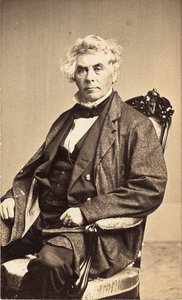
Robert Walter Weir
1803 - 1889 , United States of America
Quick Facts
- Artistic Movement Or Style: Hudson River School
- Artists Or Movements Influenced By This Artist:
- John Ferguson Weir
- Julian Alden Weir
- Artists Who Influenced This Artist:
- Michelangelo
- Raphael
- Date Of Birth: June 18, 1803
- Date Of Death: May 1, 1889
- Full Name: Robert Walter Weir
- Nationality: American
- Notable Artworks:
- Embarkation of Pilgrims
- Bourbons Last March
- Landing of Hendrik Hudson
- Our Lord on Mount Olives
- Columbus before Salamanca
- Place Of Birth: New York, USA