 Preview
 Send
Send Share
Share
 Details

 Download
 Similars
 X-Ray
X-Ray Diaporama
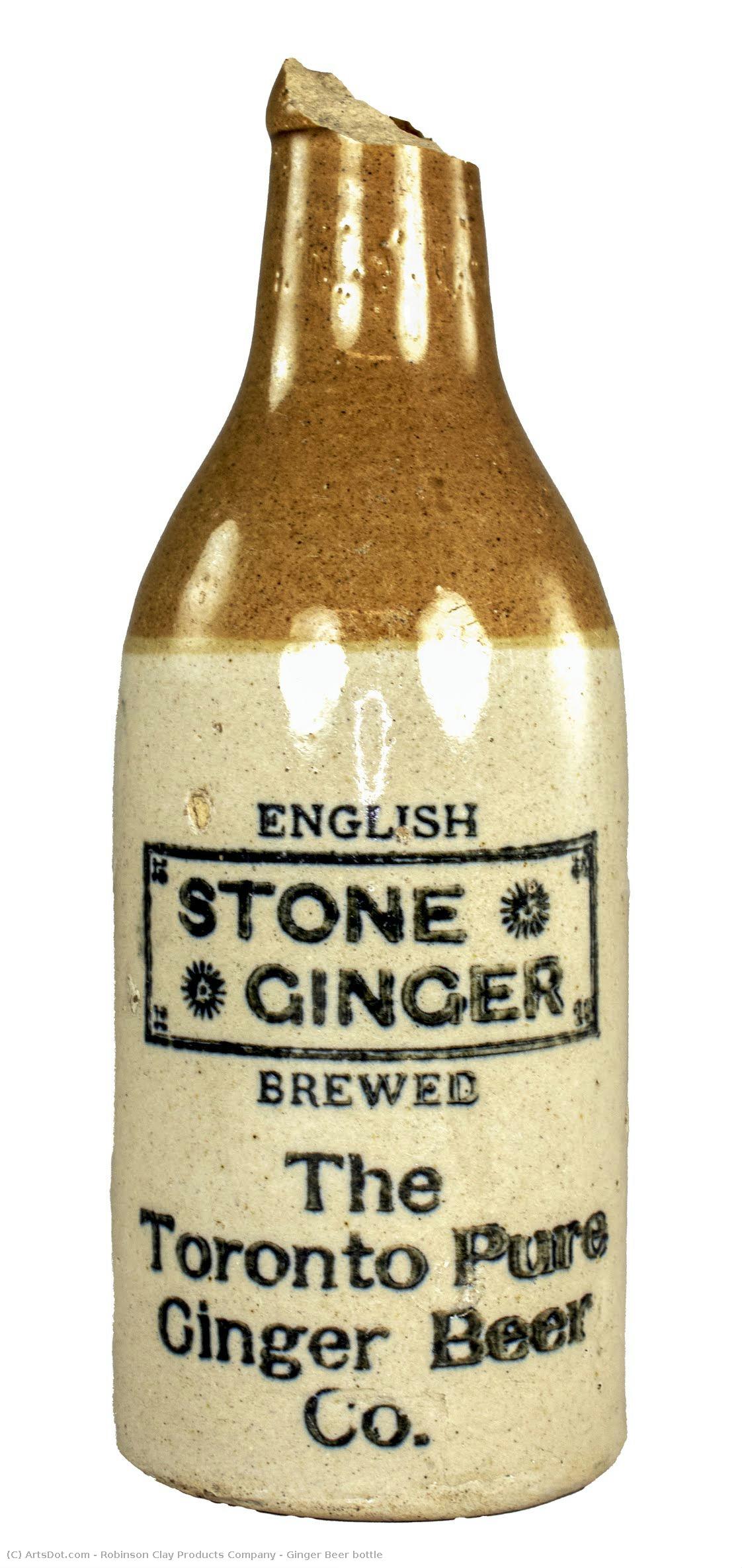
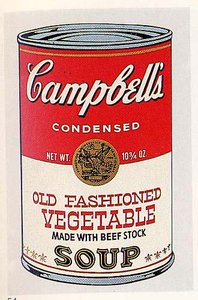
Ginger Beer bottle


 Read More
Hand Made Oil Reproduction
Hand-painted oil on canvas in your size and frame, made to order by our artists. ( Buy Print Buy Image)




































Pick from our preset sizes that match the artwork's original proportions.

You may enter your own dimensions to fit a specific frame or space. If your selected size does not match the original image's proportions, we will either crop the artwork or extend the painting with additional hand-painted elements. A digital mockup will be sent for your approval before production begins.
Please note that the on-screen preview does not reflect the actual cropping or extension. Only the mockup will accurately show the final composition.
While custom sizes are available, we recommend selecting a dimension from the predefined list to preserve the original proportions.
After order, ArtsDot.com team will email client for instructions and provide a mockup preview
Worldwide Delivery () in 3/4 weeks instead of standard 5 weeks. (24 August). No compromise on quality.

Free Worldwide Express Shipping

High-Quality Linen Canvas

Full Shipping Insurance

Customs Tax Refund Guarantee

True Color Matching Guarantee

60-Day Return Policy (Defects Only)

100% Money-Back Guarantee

Bulk Discount Offer
 Glass option is only available in size under 110 CM

Ginger Beer bottle
Reproduction Medium
Reproduction Size
-


Total Price
$ 263
Artwork Description
Related Artworks






Artist Biography
Early Life and Artistic Awakening
The story of this artist is one woven from quiet observation and a deep connection to the natural world, rather than dramatic pronouncements or public fanfare. Born into a modest family, their early years were spent immersed in the subtle beauty of their surroundings – landscapes that would later become the defining feature of their work. There wasn’t formal artistic training initially; instead, a burgeoning passion was nurtured through self-exploration and experimentation with readily available materials. Childhood sketchbooks overflowed with studies of local flora and fauna, capturing not just the *appearance* of things but also an intuitive sense of their essence. This early focus on direct observation laid the foundation for a lifelong commitment to representing nature with both accuracy and emotional depth. The influence of family members who appreciated craftsmanship – perhaps a woodworker or weaver – instilled a respect for process and materiality, shaping the artist’s approach to painting as a tactile and deliberate act. It wasn't until later in life that they sought formal instruction, but even then, their unique vision remained largely self-directed, evolving organically from those formative experiences.Formal Training and Developing Style
The decision to pursue art formally marked a turning point, though not necessarily a radical departure. Attending the local academy provided technical skills – an understanding of perspective, color theory, and anatomy – but it also exposed them to a wider range of artistic traditions. Initially drawn to realism, they quickly found themselves questioning its limitations. While mastering representational techniques was important, the artist felt compelled to move beyond mere imitation and imbue their work with something more personal. This led to an exploration of Impressionism and Post-Impressionism, absorbing the lessons of artists like Monet and Van Gogh but refusing to simply replicate their styles. A key development during this period was a shift in focus from detailed depictions of individual objects to capturing the *atmosphere* of a scene – the quality of light, the feeling of air, the subtle nuances of color that evoke a particular mood. This pursuit led them to experiment with looser brushwork and a more expressive palette, gradually forging a style characterized by its lyrical beauty and emotional resonance.Major Themes and Artistic Achievements
The artist’s oeuvre is remarkably consistent in its thematic focus: the landscapes surrounding their home. However, within this apparent narrowness lies a profound depth of exploration. They weren't simply painting pretty pictures; they were attempting to capture the spirit of place – the way a particular landscape felt at different times of day, in different seasons, under varying weather conditions. Recurring motifs include ancient trees, winding rivers, and expansive skies, often depicted with a sense of quiet grandeur. Their paintings are not about dramatic events or heroic figures; they’re about the subtle rhythms of nature, the passage of time, and the interconnectedness of all living things. Several key works stand out as particularly representative of their artistic achievements. “Golden Hour,” for example, perfectly captures the ethereal quality of light at dusk, while “Winter Solstice” evokes a sense of stillness and contemplation. Their ability to convey emotion through color and composition is widely recognized, earning them critical acclaim and a devoted following.Influences and Artistic Connections
While largely self-taught in their unique style, the artist was not immune to external influences. The works of the Hudson River School painters – particularly those who emphasized the sublime beauty of the American landscape – resonated deeply with their own aesthetic sensibilities. They also admired the Japanese woodblock prints they encountered during a brief period of study abroad, appreciating their simplicity, elegance, and emphasis on natural forms.- The writings of Henry David Thoreau
- The poetry of Walt Whitman
- The music of Claude Debussy